
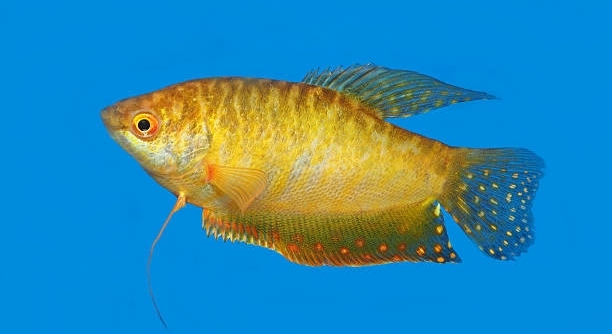
Gourami are popular freshwater fish known for their peaceful nature and interesting behaviors. Many aquarium owners enjoy watching their interactions and hoping to see pairs form strong bonds. Understanding when gourami are bonded can enhance your fish-keeping experience.
Bonded gourami typically swim close together, share hiding spots, and show gentle, non-aggressive behaviors toward each other. These signs indicate mutual comfort and social connection, distinguishing bonded pairs from fish that simply coexist without interaction.
Recognizing these behaviors helps improve care and creates a more harmonious tank environment for your gourami friends.
Signs That Gourami Are Bonded
Bonded gourami show several clear signs of their connection. They often swim side by side or follow each other calmly around the tank. These fish share hiding spots or resting areas, showing they feel safe together. Unlike aggressive pairs, bonded gourami rarely chase or nip at one another. Their fins stay relaxed, and their colors can appear brighter, indicating comfort. You might notice gentle touching or nudging, which is a friendly behavior rather than a fight. Observing these signs regularly can help you understand your fish better. When gourami are bonded, they create a peaceful environment, which is important for their health. This behavior also makes them easier to care for because stress is reduced. Watching for these signs lets you know when your gourami are happy and connected, which adds to the enjoyment of keeping them.
Bonded gourami usually stay close and show calm, friendly behaviors without aggression or stress.
Watching these behaviors helps you recognize when your gourami are comfortable with each other. This understanding improves how you manage your tank, encouraging peaceful interaction and preventing conflicts that can harm your fish.
How to Encourage Bonding in Gourami
Creating the right environment can help gourami bond naturally. Start by providing enough space so they don’t feel crowded, as tight areas can cause stress and fighting. Include plenty of hiding spots using plants, caves, or decorations to give each fish places to retreat and feel secure. A balanced diet and stable water conditions are essential, too, as healthy fish are more likely to show social behaviors. Avoid sudden changes in temperature or water quality, which can upset your gourami and reduce bonding chances. Observing your fish’s behavior regularly helps you adjust the environment if needed. Over time, these efforts encourage peaceful interactions and stronger bonds. Being patient is key because bonding can take several weeks, especially with new fish. Supporting their natural behaviors ensures a calm, friendly tank where gourami thrive.
To encourage bonding, provide space, hiding places, stable water, and a consistent feeding routine.
A peaceful tank setup supports natural bonding in gourami. Avoid overcrowding by limiting the number of fish in your aquarium. Introduce plants and decorations that create secure spots for resting and hiding. Stable water conditions with proper filtration and regular maintenance reduce stress. Feeding high-quality food on a schedule keeps your gourami healthy and calm. Patience is important; bonding does not happen overnight. Watching your gourami closely will help you notice gradual changes in behavior as they grow more comfortable. By maintaining these conditions, your gourami have the best chance to build strong, lasting bonds that benefit their well-being and your enjoyment.
Common Behaviors of Bonded Gourami
Bonded gourami often mirror each other’s movements, swimming together calmly and slowly. They share space without signs of tension or aggression, creating a peaceful atmosphere in the tank.
When gourami are bonded, their interactions show trust and comfort. They often engage in synchronized swimming, moving side by side or following one another closely. This behavior signals a strong social connection. Aggressive acts like chasing or fin-nipping decrease significantly, replaced by gentle touches or nudges that strengthen their bond. These peaceful interactions reduce stress, helping both fish stay healthier and more relaxed. Observing this harmony means your gourami have formed a genuine bond, which can improve their overall quality of life.
Bonded gourami also tend to communicate subtly through body language, such as fin displays and color changes. These signals reinforce their connection and help avoid conflicts, creating balance in the aquarium.
Tips to Maintain a Bonded Pair
Keep water quality consistent by performing regular tests and partial changes. Stable water conditions prevent stress that can disrupt bonding.
Providing a balanced diet supports your gourami’s health and mood. Feed a variety of foods including pellets, flakes, and occasional live or frozen treats to keep them nourished and satisfied. Avoid overfeeding, which can pollute the water and cause illness. Clean decorations and plants regularly to remove algae and debris, ensuring a pleasant environment. Observe your fish often to notice any changes in behavior or health that might affect their bond. If aggression appears, consider rearranging the tank or adding more hiding places. Maintaining these conditions helps keep your gourami pair peaceful and bonded for the long term.
How to Spot Signs of Stress in Gourami
Stress in gourami can cause changes in behavior, such as hiding more than usual or showing rapid breathing. These signs often mean something in the tank is upsetting them.
Other stress indicators include faded colors and loss of appetite. Stress weakens their immune system, making them more vulnerable to illness.
Adjusting Tank Conditions to Reduce Stress
Improving water quality and ensuring the tank isn’t overcrowded can quickly reduce stress in gourami. Make sure the temperature and pH levels stay within their ideal range. Adding plenty of plants and hiding spots gives them places to feel safe and relaxed. Regular maintenance and gentle care help create a calm environment where gourami can thrive without stress.
When to Separate Gourami
If aggression or stress signs continue despite adjustments, it may be necessary to separate the gourami. This helps protect their health and prevents injury.
FAQ
How long does it take for gourami to bond?
Gourami bonding varies depending on individual fish and tank conditions. Typically, it can take a few weeks to a couple of months for gourami to develop a clear bond. Patience is key, as forcing interactions or rushing the process may cause stress or aggression. Providing a calm environment with plenty of space and hiding spots encourages natural bonding over time. Regularly observing their behavior will help you know when a genuine bond forms.
Can two male gourami bond?
Yes, two male gourami can bond, but it depends on the species and individual temperament. Some males are more territorial and may not get along well, especially in smaller tanks. Providing enough space and visual barriers can reduce aggression and help foster a bond. If aggressive behavior persists, separating them might be necessary to prevent stress and injury.
Do bonded gourami always swim together?
Bonded gourami often swim close or side by side, but they do not have to be together all the time. They will rest or explore separately at times, but generally, their calm and friendly interactions return quickly. The key is the lack of aggressive or stressed behavior when apart and their willingness to rejoin peacefully.
What if my gourami are aggressive?
Aggression in gourami can be a sign of stress, overcrowding, or lack of hiding places. Make sure your tank is large enough and well-planted to provide plenty of shelter. Keep water conditions stable and maintain a good feeding routine. If aggression continues, consider separating the aggressive fish to protect the others.
How can I tell if my gourami are stressed?
Look for signs such as hiding more than usual, rapid gill movement, faded colors, or loss of appetite. Stress may also cause unusual swimming patterns like darting or lethargy. Addressing water quality and environmental factors often reduces stress quickly.
Can gourami bond with other fish?
Gourami can form peaceful relationships with other compatible tank mates but bonding like they do with their own species is rare. It’s important to choose tank mates that have similar temperaments and do not provoke aggression. Avoid overcrowding and provide plenty of hiding spaces to maintain harmony.
Is it normal for bonded gourami to chase each other occasionally?
Yes, gentle chasing can be part of normal interaction, especially during play or establishing social hierarchy. However, it should not be aggressive or cause injury. If chasing turns into constant chasing or fin-nipping, it could indicate stress or conflict.
What environment helps gourami bond best?
A spacious tank with stable water conditions, plenty of plants, and hiding spots creates a comfortable setting for gourami to bond. Avoid sudden changes in temperature or water chemistry, and keep noise and disturbances minimal. A peaceful environment supports their natural social behaviors.
How important is diet for bonded gourami?
Diet plays a key role in health and behavior. A balanced diet of high-quality pellets, flakes, and occasional live or frozen foods keeps gourami healthy and calm. Poor nutrition can cause stress, which harms bonding. Feeding on a consistent schedule helps maintain stable moods.
Should I separate gourami if they don’t bond?
If your gourami show constant aggression or stress signs without bonding over a reasonable period, separating them might be necessary. This protects their health and prevents injury. You can try reintroducing them later under better conditions, but sometimes individual temperaments don’t match.
How can I encourage bonding in a community tank?
Place gourami with peaceful, non-aggressive species and avoid overcrowding. Providing plenty of plants and hiding spots allows gourami to interact without pressure. Keeping the environment calm and stable encourages natural bonding behaviors even with other fish nearby.
Do gourami bond for life?
Gourami bonding can last for long periods if conditions remain favorable. However, changes in the environment, health, or tank dynamics can affect their relationship. Continuous care and observation help maintain bonds, but some breaks in bonding can happen naturally without lasting harm.
Are there differences in bonding behavior between gourami species?
Yes, bonding behaviors vary by species. For example, dwarf gourami are often more social and form closer bonds, while larger species like kissing gourami may be more territorial. Understanding your gourami species’ natural habits helps you set the right expectations for bonding.
What role do plants play in gourami bonding?
Plants provide shelter and reduce stress by offering hiding places. This helps gourami feel secure, which is essential for forming bonds. Floating plants also create shaded areas, making the environment more comfortable and encouraging peaceful interaction.
Can bonding reduce gourami aggression?
Yes, bonded gourami tend to show less aggression toward each other. Their mutual trust creates a peaceful dynamic, reducing chasing, fin-nipping, or territorial disputes. Promoting bonding is a natural way to improve tank harmony.
How do I know if my gourami pair is healthy?
Healthy bonded gourami swim actively, display bright colors, and eat well. They interact calmly without signs of stress or injury. Regular water testing and proper tank maintenance support their health. Any changes in behavior or appearance should be addressed promptly.
Can stress break a gourami bond?
Stress can weaken or break a bond if it becomes chronic. Poor water quality, overcrowding, or sudden changes can cause tension between gourami. Addressing these issues quickly can help restore peace, but in some cases, separation may be needed to protect both fish.
What should I avoid to help gourami bond?
Avoid overcrowding, aggressive tank mates, sudden changes in water conditions, and poor diet. These factors increase stress and reduce the chance of bonding. Keeping a stable, calm environment is crucial for peaceful relationships.
Are there any signs of bonding during breeding?
During breeding, gourami pairs show close interaction, building nests together and guarding eggs. These behaviors highlight strong bonds but may also increase territoriality. After breeding, pairs often return to peaceful coexistence if the environment remains supportive.
Final Thoughts
Understanding if gourami are bonded takes careful observation and patience. Bonding is shown through calm, peaceful behavior between fish, such as swimming together, sharing space without aggression, and gentle interactions. These signs are clear indicators that the gourami have formed a social connection. It’s important to remember that every fish is different, so the time it takes for them to bond can vary. Creating a calm environment with good water quality, enough space, and plenty of plants helps encourage bonding naturally. Avoiding stress and aggression gives gourami the best chance to develop these peaceful relationships.
Tank conditions play a major role in how well gourami bond. Stress from poor water quality, overcrowding, or incompatible tank mates can prevent bonding or even break existing bonds. Regular tank maintenance, stable temperature, and proper feeding routines are key to keeping gourami healthy and relaxed. Providing hiding spots and a natural setup allows them to feel safe and less threatened. It’s also helpful to watch for signs of stress or aggression and make changes quickly if needed. Sometimes, even with the best care, certain gourami may not get along and need to be separated to avoid harm.
Bonding between gourami is beneficial for their well-being and makes keeping them more enjoyable. When bonded, gourami show less aggression and appear more comfortable in their environment. This natural behavior helps reduce stress and supports their overall health. It’s important to be patient and observant while allowing gourami to build their relationships. By maintaining a peaceful tank and meeting their basic needs, you can help your gourami develop strong bonds that last. Keeping these fish happy and stress-free improves their quality of life and your experience as a keeper.

Hello,
If you enjoy the content that we create, please consider saying a "Thank You!" by leaving a tip.
Every little bit helps us continue crafting quality advice that supports the health, happiness, and well-being of pets around the world, for pets of all shapes, sizes, and species.
We really appreciate the kindness and support that you show us!