
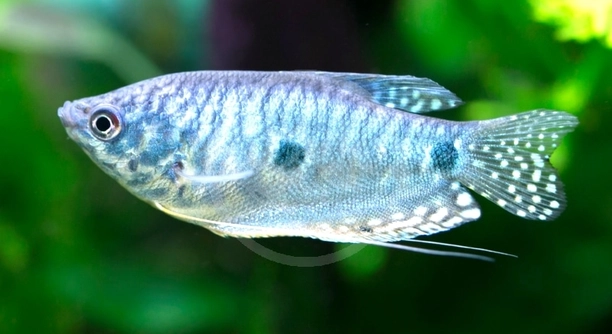
Gouramis are popular freshwater fish known for their bright colors and interesting behavior. Sometimes, their moods can change quickly, which can be confusing for fish keepers. Understanding these changes is important for their care and well-being.
Several factors influence gourami mood swings, including water quality, tank environment, diet, social interactions, stress levels, health status, and lighting conditions. Each of these plays a crucial role in how these fish behave and feel daily.
Knowing these influences can help you create a better home for your gouramis and keep them healthy and calm. This article will explain the key factors affecting their moods clearly.
Water Quality and Its Impact on Gourami Behavior
Water quality is one of the most important factors affecting gourami mood swings. Poor water conditions can cause stress, which makes gouramis more aggressive or withdrawn. Ammonia, nitrites, and nitrates that build up from fish waste and uneaten food can irritate their gills and skin. The pH level should also be stable because sudden changes can confuse or stress the fish. Temperature plays a role too; gouramis prefer warm water between 74°F and 82°F. If the water is too cold or too warm, their activity and mood will be affected. Regular water testing and changes help keep these levels balanced. Clean water supports healthy behavior, making gouramis less likely to act out or become lethargic. A well-maintained tank with proper filtration helps ensure the water remains safe and comfortable for gouramis, preventing unnecessary mood swings linked to environmental stress.
Proper water conditions create a calm environment that supports stable moods in gouramis. Maintaining these conditions reduces stress and promotes healthy behavior.
Keeping your gourami’s tank clean and stable is one of the best ways to ensure they stay happy. Small, regular water changes prevent harmful chemical buildup and keep temperature and pH steady. Use a good filter and avoid overcrowding to maintain water quality. Checking water parameters weekly is important. When water conditions are right, gouramis show less aggression and more natural behavior. Clean water allows them to thrive, swim freely, and interact peacefully with tank mates. This care helps avoid sudden mood swings caused by stress, making your gouramis healthier and easier to enjoy.
Tank Environment and Social Interactions
Tank size and layout affect how gouramis feel and behave. Too small a tank or lack of hiding places can stress them. Gouramis need space to swim and places to retreat. Decorations like plants and caves provide security.
Gouramis are social fish but can be territorial. The balance between companions is important. Overcrowding or mixing aggressive species leads to mood swings and fights. A well-planned community tank reduces stress and helps gouramis feel safe. Observing their interactions helps identify any problems early. Proper tank setup and thoughtful social grouping create a peaceful space where gouramis are calm and content, reducing sudden changes in mood.
Diet and Feeding Habits
A balanced diet helps keep gouramis calm and healthy. Poor nutrition can make them irritable or lethargic.
Feeding gouramis the right food in proper amounts is key. They need a mix of flakes, pellets, and live or frozen foods like brine shrimp or bloodworms. Variety keeps them interested and ensures they get enough nutrients. Overfeeding can cause water quality issues and digestive problems, leading to mood swings. Feeding small amounts twice a day works well. Removing uneaten food promptly prevents pollution. Monitoring their eating habits can give clues about their mood and health.
Healthy gouramis are more active and less prone to aggression when fed well. Avoid sudden diet changes because they can cause stress. Consistent feeding schedules provide comfort and routine, which help stabilize their mood. Paying attention to diet prevents many common behavior problems linked to hunger or poor nutrition.
Stress and Health Issues
Stress is a major factor that can cause mood swings in gouramis. Causes include poor water, tank mates, and illness.
When gouramis are stressed, their immune system weakens, making them vulnerable to disease. Signs include hiding, loss of appetite, and unusual swimming patterns. Stress also makes them more aggressive or withdrawn. Early detection is important. Quarantine new fish and maintain clean water to reduce risks. If illness appears, prompt treatment is necessary. Avoiding overcrowding and keeping stable conditions helps reduce stress. Regular observation helps catch problems early and supports overall health. Managing stress improves their mood and quality of life.
Lighting Conditions
Lighting affects gourami mood and activity levels. Too bright or too dim light can cause stress and mood swings.
A consistent light schedule helps regulate their natural behavior. About 8 to 12 hours of light daily mimics their natural environment, promoting calmness and normal activity.
Tank Maintenance
Regular tank cleaning keeps the environment stable and stress-free. Removing waste and changing water prevents harmful buildup that affects gouramis’ mood.
A clean tank supports healthy fish and reduces unexpected mood swings caused by poor water quality or discomfort.
Temperature Stability
Gouramis need stable temperatures to stay calm. Sudden changes cause stress and mood swings.
Keeping water between 74°F and 82°F with a heater helps maintain their comfort and supports steady behavior.
Why does my gourami suddenly act aggressive?
Gouramis often become aggressive due to stress from poor water quality, overcrowding, or incompatible tank mates. Changes in their environment, like new decorations or fish introductions, can also trigger territorial behavior. Health issues or hunger might cause irritability as well. Keeping stable water conditions and a balanced social group helps reduce aggression.
How can I tell if my gourami is stressed?
Signs of stress in gouramis include hiding more than usual, loss of appetite, rapid breathing, or erratic swimming. They may also show faded colors or cling to one spot. Stress weakens their immune system, so spotting these signs early is important to prevent illness.
What is the best diet to keep gouramis calm?
A varied diet including flakes, pellets, and occasional live or frozen foods is best. Feeding small amounts twice daily prevents overeating and maintains water quality. Avoid sudden changes in food, as this can stress gouramis and cause mood swings.
Can tank size affect gourami mood swings?
Yes. A tank that is too small limits swimming space and can increase stress and aggression. Gouramis need enough room to establish territory and swim freely. A minimum of 20 gallons is recommended for one or two gouramis. Adding plants and hiding spots helps reduce tension.
How often should I clean my gourami’s tank?
Partial water changes of 20-30% weekly help keep water parameters stable. Remove uneaten food and waste daily. Regular cleaning of the filter and decorations also supports a healthy environment, which reduces stress-related mood swings.
Does lighting affect gourami behavior?
Consistent lighting schedules are important. Too bright or inconsistent light can stress gouramis. About 8 to 12 hours of moderate light daily works well. Using a timer can help maintain a steady day-night cycle.
What tank mates work best with gouramis?
Peaceful, similarly sized fish are best tank mates. Avoid aggressive or very active species that may stress gouramis. Good companions include small tetras, rasboras, or peaceful bottom dwellers. Monitor interactions to ensure harmony.
How can I reduce stress if my gourami is ill?
Quarantine the sick fish if possible, maintain clean water, and keep temperature steady. Use medication as directed for the specific illness. Reduce noise and sudden changes around the tank to help recovery.
Why do gouramis hide frequently?
Hiding is a natural behavior when gouramis feel stressed, threatened, or unwell. Lack of hiding spots can increase stress, so adding plants or caves helps them feel secure and reduces mood swings.
Is temperature important for gourami mood?
Stable temperature is crucial. Fluctuations outside 74°F to 82°F can cause stress and sudden behavior changes. Use a reliable heater and thermometer to maintain consistent warmth.
Can changing the tank environment suddenly affect my gourami?
Yes, sudden changes like rearranging plants, adding new fish, or altering water parameters can cause stress. Make changes slowly and monitor their behavior closely to avoid mood swings.
What role does social interaction play in gourami mood swings?
Gouramis are social but territorial. Too many fish or aggressive tank mates cause stress and fights. Balanced social groups with enough space reduce mood swings and promote calm behavior.
How do I know if my gourami is healthy?
Healthy gouramis have bright colors, steady breathing, clear eyes, and active swimming. They eat well and interact normally with tank mates. Changes in these behaviors often indicate stress or illness.
What can I do if my gourami is very shy or withdrawn?
Check water quality, temperature, and tank mates first. Add plants or hiding places to help them feel safe. Avoid sudden changes or disturbances near the tank. Proper care and patience usually improve shy behavior.
Can poor water quality cause mood swings?
Absolutely. High ammonia, nitrites, or nitrates irritate gouramis and cause stress, aggression, or lethargy. Regular testing and maintenance keep water safe and moods stable.
How important is a consistent feeding schedule?
Very important. Regular feeding times provide routine and reduce stress. Irregular feeding can cause hunger-related irritability or anxiety. Two small feedings daily work best for gouramis.
What should I do if my gourami becomes suddenly inactive?
Inactivity can signal stress, illness, or poor water conditions. Test water parameters, check temperature, and observe for other symptoms. Quarantine if necessary and treat any illnesses quickly.
Do gouramis prefer planted tanks?
Yes, plants offer hiding spots and reduce stress. They also improve water quality and create a more natural environment, which supports stable moods and healthy behavior.
How can I prevent fighting among gouramis?
Provide enough space, hiding places, and avoid overcrowding. Keep compatible tank mates and monitor interactions. If aggression continues, separate the fish or adjust the tank setup.
What role does routine play in gourami mood stability?
Routine helps gouramis feel secure. Consistent feeding, lighting, and tank maintenance reduce unexpected stress. Sudden changes disrupt this routine and may trigger mood swings.
How long do mood swings typically last in gouramis?
Mood swings can last from hours to days, depending on the cause. Stress-related moods improve quickly with better conditions. Illness-related changes may take longer and need treatment.
Can adding plants improve my gourami’s mood?
Yes, plants provide cover and reduce stress by mimicking natural habitats. They create a calm environment where gouramis feel safe and behave normally.
What are signs of territorial behavior in gouramis?
Chasing, fin flaring, and guarding specific areas or tank mates are common signs. These behaviors often increase during breeding or when space is limited.
Should I separate gouramis that fight?
If fighting causes injury or stress, separating them is best. Providing enough space and hiding places can sometimes reduce aggression, but separation may be necessary for their well-being.
How can I tell if my gourami is comfortable in its environment?
Comfortable gouramis swim actively, eat well, display bright colors, and interact peacefully. They explore the tank and use hiding spots without constant fear or aggression.
What water parameters are best for gouramis?
Ideal parameters are pH 6.0 to 7.5, temperature 74°F to 82°F, low ammonia, nitrites at zero, and nitrates under 20 ppm. Stable conditions help prevent mood swings.
Can sudden loud noises affect gouramis?
Yes, loud noises or vibrations can stress gouramis, causing them to hide or act erratically. Keeping the tank in a quiet, stable area reduces this risk.
What are common illnesses that affect gourami mood?
Ich, fin rot, and bacterial infections often cause mood changes. Symptoms include hiding, loss of appetite, or flashing against surfaces. Early treatment improves recovery and mood stability.
How important is quarantine for new gouramis?
Quarantine prevents introducing diseases and reduces stress. It allows observation for illness before adding new fish to the main tank, protecting existing gouramis’ health and mood.
Gouramis are beautiful and interesting fish to keep, but their moods can sometimes be hard to understand. Many factors influence their behavior, including water quality, diet, tank environment, and social interactions. Keeping these factors in balance is important for their well-being. When their needs are met, gouramis tend to be calmer and more active, making them enjoyable to watch. Stress and sudden changes can cause mood swings, so consistent care is essential to avoid problems.
Water quality is one of the most important things to focus on. Regular testing and cleaning help maintain safe water conditions. Poor water quality can cause discomfort, illness, and changes in behavior. Temperature and lighting should also be stable because gouramis are sensitive to sudden shifts. Feeding them a balanced diet and avoiding overcrowding in the tank supports healthy moods. Providing enough space and places to hide helps reduce stress and aggression. Watching how gouramis interact with each other and their environment can give clues about their mood and health.
Understanding the reasons behind mood swings in gouramis allows fish keepers to create a better home for their fish. Paying attention to small changes and keeping routines steady can prevent many problems. If issues arise, addressing the cause quickly often helps gouramis return to normal behavior. Taking time to learn about their needs and habits leads to a more peaceful aquarium and happier fish. With proper care, gouramis can thrive and display their natural, charming behavior for a long time.

Hello,
If you enjoy the content that we create, please consider saying a "Thank You!" by leaving a tip.
Every little bit helps us continue crafting quality advice that supports the health, happiness, and well-being of pets around the world, for pets of all shapes, sizes, and species.
We really appreciate the kindness and support that you show us!