
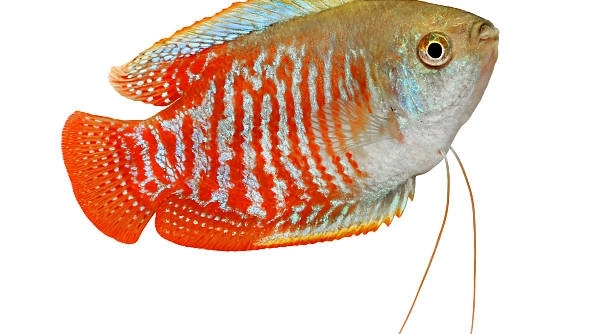
Gouramis are vibrant and lively fish, but sometimes they may lose their color. This can be concerning for aquarium owners who want to ensure their fish stay healthy and happy. Understanding the causes can help address this issue.
The loss of color in gouramis can be caused by factors such as poor water quality, stress, or inadequate nutrition. These issues can disrupt the fish’s natural pigmentation, leading to faded or dull colors. Proper care is essential to maintain their vibrancy.
By identifying the root causes, you can take steps to restore and maintain the health of your gourami. This ensures they remain colorful and lively in your aquarium.
Poor Water Quality
Water quality is a crucial factor in maintaining the health and color of your gourami. If the water in your tank has high levels of toxins, like ammonia or nitrites, it can harm your fish. When this happens, their bodies may become stressed, which can lead to fading colors. Regular water changes and proper filtration are essential to keep the water clean. Without these measures, the fish cannot thrive, and you may notice them losing their vibrancy.
To maintain water quality, check your tank’s water parameters frequently. Ensure the pH, temperature, and hardness are within the recommended range for gouramis. Using a reliable filtration system will help reduce harmful substances and provide a stable environment for your fish.
Also, avoid overfeeding your fish, as uneaten food can decay and contribute to poor water quality. When you maintain the right conditions, your gourami’s color should return to its natural, vibrant state.
Stress and Anxiety
Stress is another major factor that can affect a gourami’s color. Fish are sensitive to changes in their environment. When they feel threatened, whether due to tank mates, sudden changes in temperature, or overcrowding, they may become stressed and lose their vibrancy. It is important to ensure that your fish feel secure and have plenty of space.
If your gourami is constantly hiding or acting out of the ordinary, this is a sign it might be stressed. Try adjusting their environment to reduce stress, whether that’s moving aggressive tank mates or ensuring the water temperature stays consistent. Adding plants or hiding spots can also make your gourami feel more comfortable.
The presence of a calm and stable environment will help your gourami regain its full color and health over time.
Inadequate Nutrition
A poor diet is another reason your gourami may lose color. Without the proper nutrients, their bodies cannot maintain vibrant pigmentation. Feed your fish a varied and balanced diet that includes high-quality pellets, live food, and occasional treats like bloodworms or brine shrimp.
A diet deficient in essential vitamins and minerals can lead to dull colors. Ensure you are offering food rich in carotenoids, which are responsible for the vibrant hues in fish. These nutrients are often found in foods like spirulina or krill. The right diet will improve your gourami’s overall health and restore its natural colors.
Overfeeding can also be harmful, as excess food leads to poor water quality. Stick to a feeding schedule, and avoid offering more food than your fish can consume in a few minutes. This prevents both nutritional issues and water problems that could further affect your gourami’s health.
Illness or Infection
Infections or illnesses can cause your gourami to lose its color. If your fish is not feeling well, its body may not be able to maintain normal pigmentation. Common issues such as parasites, fungal infections, or bacterial diseases can result in faded or dull colors.
If you notice signs of illness like faded colors, lesions, or lethargy, it’s important to address the issue immediately. Separate the sick fish from healthy ones to prevent the spread of disease. Consult a vet or aquatic specialist to properly diagnose the problem. Some infections can be treated with medications that target specific pathogens.
Improper water conditions, stress, or poor diet can weaken a fish’s immune system, making it more susceptible to disease. Maintaining a clean tank, providing a balanced diet, and ensuring proper water quality can help prevent illness and keep your gourami healthy.
Tank Conditions
Improper tank conditions can lead to color loss in your gourami. Ensure the tank has appropriate temperature, pH, and hardness levels for your fish. If these are off, your fish may struggle to stay healthy, leading to dull pigmentation.
Regularly check the water parameters and make adjustments as needed. Gouramis thrive in stable conditions, and even slight changes in temperature or water chemistry can stress them, affecting their coloration. A reliable water test kit can help maintain ideal tank conditions. Keeping the water quality stable will help your gourami stay vibrant.
Genetics
Genetics play a significant role in the coloration of your gourami. Some gouramis are naturally less colorful due to their genetic makeup. If your fish has a genetic predisposition for a lighter color, it might not be able to reach the vivid shades typically seen in healthy fish.
Even with optimal care, some gouramis may simply not display the same intensity of color as others. However, providing the right diet, water conditions, and minimal stress can help them maintain the best color possible within their genetic limits.
Age
As gouramis age, their color may fade naturally. Older fish can lose some of the intensity in their pigmentation, a normal part of their life cycle. While this doesn’t necessarily indicate a health problem, the fish may look less vibrant as it gets older.
Maintaining a healthy environment can slow down the fading process. However, age-related color loss is inevitable, and ensuring your gourami is still receiving the right care will keep it comfortable during its later years. Keep an eye on your fish’s overall health to identify any potential health issues as it ages.
FAQ
Why is my gourami losing color?
Gouramis can lose their color due to poor water quality, stress, lack of proper nutrition, or illness. When the water has high levels of toxins or isn’t properly maintained, it can cause stress, which leads to color loss. A poor diet that lacks essential vitamins, particularly carotenoids, can also affect pigmentation. Illnesses or infections can result in dull colors as the fish’s immune system struggles to fight off pathogens. Ensuring clean water, a balanced diet, and a stress-free environment is key to maintaining vibrant color.
Can stress cause my gourami to lose color?
Yes, stress can significantly impact your gourami’s appearance. Fish that are stressed due to tank mates, sudden changes in temperature, overcrowding, or poor water conditions often lose their vibrancy. Stress causes the body to react in ways that can weaken the fish and reduce pigmentation. Creating a calm, stable environment will help maintain the health and color of your fish.
How can I tell if my gourami is stressed?
Signs of stress in gouramis include hiding, reduced activity, refusal to eat, or abnormal swimming patterns. If your gourami is constantly swimming erratically, hiding behind objects, or seems lethargic, stress could be the cause. Checking the tank’s conditions, such as temperature, pH, and cleanliness, can help identify any stress factors. Additionally, aggression from other fish can also contribute to stress.
What is the best food for restoring my gourami’s color?
A varied diet rich in carotenoids is essential to restore and maintain vibrant color. High-quality pellets, live foods like brine shrimp or bloodworms, and vegetable-based foods such as spirulina can help enhance pigmentation. These foods provide essential nutrients that support healthy coloration. Avoid overfeeding, as it can lead to poor water quality, further affecting your gourami’s health and color.
Can overfeeding cause color loss in gouramis?
Yes, overfeeding can lead to poor water quality, which can cause stress and, in turn, color loss. Uneaten food decomposes in the water, raising ammonia levels, which are toxic to fish. This creates an unhealthy environment that impacts your gourami’s overall health and pigmentation. Stick to a feeding schedule and ensure the fish eat all the food within a few minutes.
Does the size of the tank affect my gourami’s color?
The size of the tank can influence your gourami’s well-being and color. A small, overcrowded tank can lead to stress and poor water conditions, both of which can result in color loss. Gouramis need space to swim comfortably. A properly sized tank with good filtration and regular water changes will help maintain a stable environment that promotes healthy, vibrant fish.
Can I improve my gourami’s color by adding plants to the tank?
Yes, adding plants to the tank can help reduce stress and provide hiding spots for your gourami, which can improve its overall health and color. Plants also help maintain water quality by absorbing excess nutrients and providing oxygen. A well-planted aquarium offers a more natural environment for the fish, allowing them to feel more secure and less stressed.
Is it normal for a gourami to lose color as it gets older?
It is normal for gouramis to lose some of their color as they age. As fish get older, they may naturally fade in color, just like some animals lose their vibrancy with age. While this isn’t usually a sign of poor health, maintaining good water quality, proper diet, and a stress-free environment can help slow down the fading process.
How do I improve my gourami’s water conditions?
To improve your gourami’s water conditions, ensure regular water changes of at least 25-30% every 1-2 weeks. Use a good-quality filter that suits the size of your tank. Check the water parameters regularly with a test kit, ensuring the pH, hardness, and temperature are suitable for your gourami. Keeping the tank clean and free of debris will help maintain healthy water conditions.
Can tank mates affect my gourami’s color?
Yes, tank mates can influence your gourami’s color. Aggressive fish can cause stress, leading to color loss. It’s important to choose peaceful fish that won’t harass your gourami. Overcrowding is another issue; too many fish in one tank can increase stress and deteriorate water quality. Make sure your tank is well-planned with compatible species to help your gourami stay healthy.
Should I use a specific kind of lighting to help my gourami’s color?
Lighting can play a role in how vibrant your gourami appears. Too bright or harsh lighting may cause stress, while dim lighting may not showcase your fish’s full colors. It’s best to use moderate, natural light to allow your gourami’s colors to shine without causing them stress. Consider adjusting the lighting to match the natural day-night cycle of the aquarium.
How long will it take for my gourami to regain color?
The time it takes for your gourami to regain its color depends on the underlying cause. If stress or poor water quality is the issue, you might see improvement within a few weeks after fixing the problem. A proper diet and a stable, healthy environment will speed up recovery. Illness recovery may take longer, depending on the severity of the condition.
Are there any medications I can use to help my gourami’s color?
If the color loss is due to illness or infection, medications may be necessary. Consult with an aquatic vet or specialist to determine the correct treatment. It’s important to identify the specific disease or condition affecting your fish before using any medications. Treating the root cause of the issue will restore your gourami’s health and color over time.
Can genetics affect my gourami’s color permanently?
Yes, genetics can affect your gourami’s color permanently. Some gouramis are naturally less colorful, and there’s little you can do to change their genetic makeup. However, providing a healthy environment with good water quality, proper nutrition, and minimal stress will ensure your fish remains as vibrant as possible, given its genetic limitations.
Final Thoughts
Understanding why your gourami is losing color can be essential for its long-term health and well-being. Various factors, such as water quality, stress, diet, and even genetics, can contribute to color fading. Ensuring that the tank conditions are optimal is the first step in maintaining vibrant fish. Regular water changes, a balanced diet, and minimizing stress will help improve the overall health of your gourami. If you notice that your fish is losing color despite providing the best care, it’s important to investigate further, as there may be an underlying issue.
While age and genetics can naturally cause some color fading, many of the more common reasons are avoidable. Stress caused by overcrowding, aggressive tank mates, or fluctuations in water conditions can easily be minimized. Gouramis thrive in stable environments, and providing them with a proper-sized tank, appropriate tank mates, and a steady diet will go a long way in keeping them healthy. Fish are highly sensitive to changes, so maintaining a consistent routine and monitoring water conditions can help prevent problems from arising.
In the case that your gourami is still losing color despite addressing the main factors, it may be worth consulting a veterinarian who specializes in fish. They can help identify diseases or infections that could be causing the issue. Remember that prevention is key—creating a peaceful and healthy environment, along with a nutritious diet, is the best way to ensure your gourami retains its color. Paying attention to these aspects will help your fish stay vibrant and happy.

Hello,
If you enjoy the content that we create, please consider saying a "Thank You!" by leaving a tip.
Every little bit helps us continue crafting quality advice that supports the health, happiness, and well-being of pets around the world, for pets of all shapes, sizes, and species.
We really appreciate the kindness and support that you show us!