
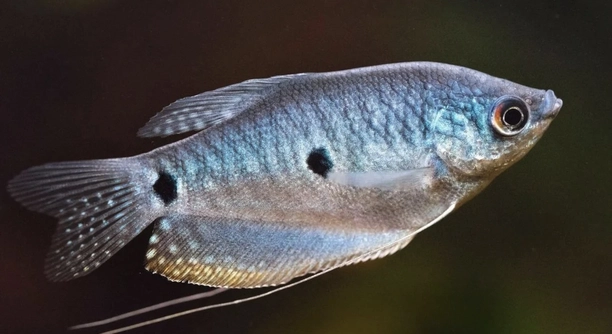
Gouramis are peaceful freshwater fish that sometimes appear inactive or shy in home aquariums. Keeping them engaged and lively can improve their health and enhance the enjoyment of observing their natural behaviors. This article offers practical tips to increase gourami activity.
Improving gourami activity involves creating a suitable environment with proper tank size, hiding places, consistent water quality, and appropriate feeding schedules. Regular interaction and stimulation also play significant roles in encouraging more active behavior.
Applying these simple methods can help make your gouramis more energetic and visible, promoting a healthier and more dynamic aquarium experience.
Create a Comfortable Environment
Gouramis thrive when their aquarium mimics their natural habitat. Start by providing enough space; a tank of at least 20 gallons is ideal for one or two gouramis. Include plenty of plants and hiding spots such as caves or decorations to help them feel secure. Stable water conditions are crucial—keep the temperature between 74 and 82 degrees Fahrenheit and maintain a pH of 6.0 to 7.5. Regular water changes prevent harmful buildup of waste and chemicals. Avoid strong currents since gouramis prefer calm water. Lighting should be moderate, as overly bright lights can stress them. Observing their behavior helps identify if the environment meets their needs. Adjusting these factors encourages gouramis to swim actively and explore the tank. Consistent care in tank setup creates a safe and stimulating space that supports their natural behavior patterns.
A well-maintained, natural-feeling environment significantly improves gouramis’ comfort and encourages active swimming and exploration.
Ensuring your gouramis feel safe and comfortable is the foundation for increasing their activity. When they have enough room to swim freely, places to hide, and water conditions that suit their needs, they will show more lively and natural behaviors. Taking the time to arrange the tank thoughtfully will make a noticeable difference in how much your gouramis move around and interact with their surroundings.
Provide a Balanced Diet
Feeding gouramis a varied and nutritious diet is essential for their energy and activity levels. Their diet should include high-quality flakes or pellets designed for gouramis, supplemented with live or frozen foods such as brine shrimp, bloodworms, or daphnia. These protein sources mimic their natural diet and encourage hunting behavior, which stimulates movement. Feed small amounts two to three times daily, avoiding overfeeding that can harm water quality and reduce activity. Occasionally offering vegetable matter, like blanched spinach or zucchini, adds fiber and vitamins. Freshness and variety keep gouramis interested in their food and more likely to be active while searching and eating.
Balanced feeding supports healthy metabolism and encourages natural behaviors that keep gouramis lively.
It is important to establish a feeding routine that meets the gouramis’ nutritional needs without overwhelming the tank ecosystem. Overfeeding can cause leftover food to decompose, leading to poor water quality and less active fish. Introducing live or frozen foods provides enrichment and exercise. This variety in diet helps keep their energy levels up and stimulates natural instincts. Regularly adjusting the diet to include both prepared and fresh foods ensures gouramis remain healthy and active, increasing their overall vitality and engagement in the aquarium environment.
Increase Tank Enrichment
Adding plants and decorations encourages gouramis to explore their environment. Live plants provide hiding spots and create a more natural habitat. Driftwood and smooth rocks also offer interesting structures for swimming around. These elements reduce stress and make gouramis more active.
Tank enrichment reduces boredom and encourages natural behavior patterns. Plants improve water quality by absorbing nitrates, which benefits gouramis’ health. Gouramis are territorial and appreciate defined spaces to claim as their own. Adding a variety of hiding places helps reduce aggression and supports their comfort. When gouramis feel secure, they are more likely to swim actively and interact with their surroundings. Regularly rearranging decorations can refresh their environment and maintain interest.
Creating a stimulating tank environment increases gouramis’ activity levels by providing safe spaces and new areas to explore. Enrichment supports their well-being and helps prevent lethargy, making the aquarium more lively overall.
Maintain Stable Water Conditions
Consistent water quality is essential for gourami activity and health. Sudden changes in temperature or chemistry cause stress and inactivity. Regular testing helps detect problems early. Frequent partial water changes keep conditions balanced and clear of toxins.
Maintaining water parameters within ideal ranges promotes stable health for gouramis. Fluctuations in pH, ammonia, nitrites, or nitrates impact their energy and immune function. Using a reliable filtration system supports clean water and stable oxygen levels. Monitoring temperature daily avoids unexpected drops or spikes that can shock the fish. Avoid overcrowding to reduce waste and competition. Stability in water quality encourages gouramis to swim more and reduces hiding behavior. Consistency is key to sustaining an active, healthy aquarium.
Keeping water stable minimizes stress and supports normal behavior in gouramis. Proper maintenance and monitoring improve their activity and overall tank dynamics.
Regular Tank Cleaning
Keeping the tank clean prevents harmful waste buildup that can stress gouramis. Remove uneaten food and vacuum the substrate weekly. Clean the glass to improve visibility and encourage movement.
Regular cleaning supports water quality and keeps the environment healthy. Gouramis tend to be more active in a clean tank where conditions are stable and free from pollutants.
Encourage Interaction
Gently tapping the tank or moving near it can stimulate gouramis to respond and swim more. Interaction helps maintain their curiosity and energy levels.
Maintain Proper Lighting
Gouramis benefit from a consistent light cycle of about 10 to 12 hours daily. Use a timer to regulate lighting and avoid sudden changes.
Monitor Tank Mates
Choose compatible species that do not stress gouramis. Aggressive or overly active fish may cause gouramis to hide and reduce activity.
How can I tell if my gourami is healthy and active?
Healthy gouramis usually swim around the tank, explore their environment, and interact with other fish. They show clear eyes, vibrant colors, and smooth fins without tears or spots. A lack of movement, hiding constantly, or loss of appetite can indicate stress or illness. Observing daily behavior helps detect changes early. Active gouramis will chase food eagerly and respond to gentle tank tapping. Consistent activity paired with proper feeding and water conditions generally means the fish are well.
What is the best tank size for keeping gouramis active?
A minimum of 20 gallons is recommended for one or two gouramis. Providing ample space allows them to swim freely and reduces territorial disputes. Larger tanks encourage natural behavior, such as exploring and interacting with plants or decorations. Overcrowded tanks increase stress, limiting activity. Sufficient room also helps maintain stable water parameters, which supports their health. Tank size should match the number and species of gouramis, considering their adult size to ensure they stay lively.
Can changing the tank layout improve gourami activity?
Yes. Rearranging plants and decorations can stimulate curiosity and encourage exploration. New hiding spots or swimming routes renew interest in the environment. However, changes should be gradual to avoid causing stress. Sudden rearrangement may confuse or frighten gouramis, causing them to hide. Adding or moving natural elements like driftwood or rocks also creates fresh stimuli. Regular but gentle modifications keep the tank dynamic and support the gouramis’ natural instincts to investigate.
How often should I feed my gouramis to keep them active?
Feeding small amounts two to three times daily is ideal for maintaining energy levels. Overfeeding can reduce water quality and lead to sluggishness. A balanced diet with protein-rich live or frozen foods encourages natural hunting behavior and movement. Avoid leaving excess food uneaten to prevent water pollution. Consistent feeding times establish a routine that gouramis recognize, promoting alertness and activity around feeding periods.
Is tank temperature important for gourami activity?
Absolutely. Gouramis prefer water temperatures between 74°F and 82°F. Temperatures outside this range can cause lethargy or stress, reducing movement. Using a reliable heater and thermometer ensures stable temperature control. Sudden drops or spikes in temperature can shock the fish, causing them to hide or become inactive. Maintaining a steady, suitable temperature is crucial for their metabolism and overall vitality.
Can tank mates affect gourami behavior?
Tank mates influence gourami activity significantly. Peaceful and similarly sized fish tend to coexist well, encouraging normal behavior. Aggressive or overly active species can intimidate gouramis, causing them to hide and reduce movement. Avoid fin-nippers or very territorial fish. Compatibility helps maintain a calm environment where gouramis feel safe to swim freely and interact.
Does lighting impact gourami activity?
Yes, proper lighting supports normal activity. Gouramis need about 10 to 12 hours of light daily. Too bright or constant lighting may stress them, leading to inactivity. Using a timer to maintain a consistent light cycle helps regulate their internal rhythm. Moderate lighting encourages natural behaviors and feeding habits.
How can I safely encourage gouramis to be more active?
Gentle interaction, like tapping the tank lightly or moving nearby, can stimulate response without causing stress. Offering varied foods and enriching the environment also promotes activity. Avoid sudden loud noises or rapid movements near the tank. Regular observation helps identify what encourages your gouramis to swim and explore.
What signs indicate a stressed gourami?
Stress often shows as reduced movement, hiding, clamped fins, or loss of appetite. Color fading and rapid breathing are also common. Stress can be caused by poor water quality, incompatible tank mates, or sudden changes in the environment. Addressing these issues quickly helps restore activity and health.
Maintaining an active gourami requires attention to their environment and daily care. Providing a well-enriched tank with plants, decorations, and hiding spots encourages natural behavior. Stable water conditions and proper temperature help reduce stress and support their health. Feeding a balanced diet in moderate amounts also contributes to their energy and activity levels. Small changes in lighting and tank arrangement can renew their interest in swimming and exploring.
Observing gouramis regularly is important to notice changes in behavior or health. Active gouramis display bright colors, smooth fins, and steady movement throughout the day. When gouramis become lethargic, hide frequently, or show other signs of stress, it often indicates an underlying problem. Early detection and correction of water quality, tank mates, or feeding habits can prevent more serious issues. Consistency in care routines provides a sense of security that helps gouramis remain lively.
Taking time to understand gouramis’ needs makes the aquarium experience more rewarding. Creating a balanced environment encourages natural behaviors and activity without forcing changes. Simple measures such as regular cleaning, appropriate tank size, and gentle interaction improve their overall well-being. Keeping gouramis active benefits their physical health and makes the tank a more enjoyable and vibrant space to observe. This steady care routine supports their long-term happiness in captivity.

Hello,
If you enjoy the content that we create, please consider saying a "Thank You!" by leaving a tip.
Every little bit helps us continue crafting quality advice that supports the health, happiness, and well-being of pets around the world, for pets of all shapes, sizes, and species.
We really appreciate the kindness and support that you show us!