
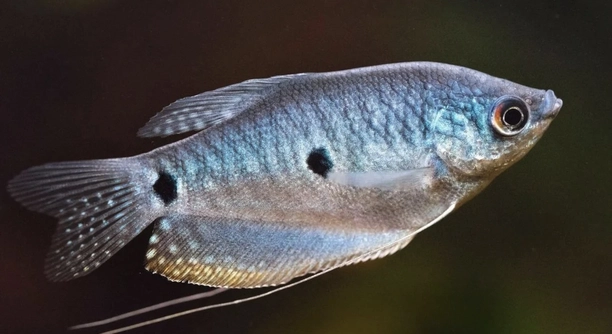
Gouramis are popular freshwater fish known for their vibrant colors and peaceful nature. However, when placed together, not all pairs get along well. Recognizing poor social pairing is important for their well-being in home aquariums.
Poor social pairing in gouramis is characterized by aggressive behavior, stress signs, hiding, loss of appetite, damaged fins, disrupted swimming patterns, and territorial disputes. These indicators help identify incompatible pairs to maintain a healthy environment.
Knowing these signs can improve your gouramis’ quality of life and help you create a more harmonious aquarium community. Understanding their social needs is key to happy, thriving fish.
Signs of Aggression and Stress in Gouramis
Aggression is one of the most common signs of poor social pairing in gouramis. When these fish don’t get along, they may chase each other around the tank, nip fins, or display flaring gill covers. This behavior causes stress, which can weaken their immune system and lead to illness. Stress is often visible as hiding, rapid breathing, or dull coloring. Some gouramis may become withdrawn and stay in corners or behind decorations to avoid conflict. It’s important to observe your fish regularly to catch these signs early. Stress not only affects their behavior but also their overall health. Keeping gouramis with compatible tank mates and providing enough space can reduce aggressive encounters. If aggression is noticed, separating the fish or rearranging the tank layout might help. Early intervention prevents long-term damage and promotes a peaceful aquarium.
Aggressive behavior and stress often occur together and signal the need for intervention.
Recognizing these signs early can prevent serious health issues. Adjusting tank conditions or separating fish helps restore calm and balance in the aquarium.
Poor Feeding Habits and Physical Damage
Gouramis in conflict often show poor feeding habits. Stressed or bullied fish may lose interest in food or eat less, which affects their energy and growth. Sometimes, aggressive fish dominate the feeding area, preventing others from eating properly. This uneven feeding leads to weakened individuals who are more vulnerable to disease. Another sign of poor social pairing is physical damage, such as torn or ragged fins caused by fin nipping. These wounds can get infected if left untreated. Ensuring each fish has enough space and hiding spots helps reduce fighting. Feeding smaller meals more frequently can give shy fish better access to food. Observing feeding behavior closely allows you to spot problems early. Addressing these issues improves the health and comfort of all gouramis in the tank. It’s important to act quickly before injuries and malnutrition become serious problems.
Unusual Swimming Patterns and Territorial Behavior
Gouramis showing unusual swimming patterns often indicate stress from poor social pairing. They may swim erratically, stay at the surface, or constantly patrol one area of the tank. This behavior suggests discomfort or attempts to establish dominance.
Erratic swimming and constant patrolling usually happen when gouramis feel threatened or stressed. Fish may circle repeatedly or dart suddenly to intimidate others. Some may claim a specific section of the tank, aggressively defending it from tank mates. This territorial behavior causes ongoing tension, preventing fish from relaxing or feeding properly. Gouramis need enough space and hiding spots to reduce these conflicts. When space is limited, territorial disputes become more frequent and intense, leading to more stress and possible injury.
It’s important to monitor tank size and layout to minimize territorial behavior. Adding plants or decorations can break sight lines, helping gouramis feel more secure and less aggressive toward each other.
Hiding and Isolation in Gouramis
Hiding or isolating behavior often points to poor social pairing. Gouramis may retreat to corners, behind plants, or under decorations to avoid other fish. This withdrawal affects their overall well-being and social interactions.
Isolation is usually a response to bullying or stress. When one fish dominates, others may avoid confrontation by hiding. This can lead to decreased activity and loss of appetite. Over time, isolated gouramis might become weak or sick because they miss out on normal social behaviors and feeding opportunities. Providing multiple hiding places and adequate space helps reduce these problems. Monitoring how much time each fish spends hiding can reveal social issues early on. Correcting poor pairings or rearranging the tank environment improves comfort and encourages healthier behavior in all gouramis.
Loss of Color and Dull Appearance
Gouramis that experience poor social pairing often lose their bright colors. Stress and aggression can cause them to look pale or dull. This change signals that the fish is unhappy or unhealthy.
A dull appearance is a clear sign of ongoing stress. Healthy gouramis usually display vibrant colors, which fade when they are uncomfortable or sick. It’s important to check for other signs like hiding or fin damage if color loss is noticed.
Changes in Breathing Patterns
Rapid or labored breathing can be a response to stress from poor social pairing. Gouramis under constant threat may struggle to get enough oxygen, increasing their breathing rate. This is a serious sign needing attention.
Disrupted Social Dynamics
When social pairing goes wrong, gouramis’ normal interactions break down. Fish may stop schooling or fail to recognize each other’s presence. This isolation disrupts the natural balance and affects their mental health.
Increased Hiding Spots Use
Gouramis may start using hiding spots much more than usual when social pairing is poor. This behavior indicates avoidance and fear, showing they do not feel safe in their environment.
FAQ
What causes poor social pairing in gouramis?
Poor social pairing in gouramis usually happens because of differences in temperament, insufficient tank space, or incompatible species. Gouramis have varied personalities—some are peaceful, while others are more territorial. When aggressive gouramis are kept with shy or submissive ones, conflicts arise. Overcrowding or lack of hiding places also worsens these tensions, making fish stressed and aggressive. Proper tank setup and careful selection of compatible gouramis help reduce problems.
How can I tell if my gouramis are stressed?
Stress signs include loss of color, hiding, rapid breathing, loss of appetite, and erratic swimming. Aggression, like chasing or fin nipping, is another clear indicator. Stressed gouramis might isolate themselves or show changes in normal behavior. Watching your fish closely is the best way to catch stress early and improve their environment.
Can poor social pairing lead to illness?
Yes, prolonged stress from poor social pairing weakens gouramis’ immune systems, making them more prone to infections and diseases. Physical injuries from fights can also become infected if untreated. Keeping gouramis in peaceful groups with enough space lowers health risks significantly.
What is the best way to fix poor social pairing?
The first step is to observe the fish and identify which ones are aggressive or stressed. Rearranging tank decorations can help break territories and reduce fights. Adding more hiding spots gives shy gouramis places to retreat. If aggression continues, separating aggressive individuals or upgrading to a larger tank may be necessary. Choosing compatible species and balanced group sizes prevents future issues.
How much space do gouramis need to avoid conflicts?
Each gourami requires at least 10 gallons of water, with more space needed for larger species or multiple fish. Crowded tanks cause stress and territorial disputes. Providing at least 20 to 30 gallons for two or three gouramis helps keep peace. Always consider tank size when adding new fish.
Are some gourami species more aggressive than others?
Yes, species like the Three-spot Gourami tend to be more territorial, while others like the Honey Gourami are generally peaceful. Mixing aggressive and peaceful species in the same tank often leads to problems. Knowing species traits before buying helps create a harmonious group.
What signs show that gouramis have established a healthy social pairing?
Healthy social pairing means limited aggression, fish swimming freely without stress, normal feeding behavior, and vibrant colors. Gouramis will interact calmly and share space without constant chasing or hiding. Observing balanced social behavior is a good sign the pairing works well.
Can changing water conditions help reduce social stress?
Stable water parameters support gouramis’ overall health, which can reduce stress levels. Poor water quality adds pressure to fish already dealing with social conflicts. Regular water changes, proper filtration, and maintaining temperature and pH within species-specific ranges improve fish resilience and mood.
Is it normal for gouramis to fight sometimes?
Some minor scuffles happen occasionally, especially when establishing territory. However, constant or severe aggression is a problem. Occasional harmless displays are normal, but ongoing fighting damages fish and must be addressed.
How important are hiding places in reducing poor social pairing?
Hiding places are essential. They give shy or stressed gouramis safe spots to escape aggressive tank mates. Plants, caves, and decorations help break line of sight, calming territorial disputes. Without hiding spaces, stress and aggression rise, leading to poor social conditions.
Poor social pairing in gouramis can cause many problems for both the fish and their owners. When gouramis do not get along, they show signs like aggression, hiding, loss of color, and poor feeding habits. These behaviors make it clear that the fish are stressed and uncomfortable. Stress can also lead to health problems, including weakened immune systems and physical injuries. It is important to notice these signs early to avoid long-term damage. Paying close attention to your gouramis’ behavior will help you maintain a peaceful and healthy aquarium.
Creating the right environment is key to preventing poor social pairing. Providing enough space for each fish and making sure the tank is not overcrowded reduces tension. Adding plenty of plants, decorations, and hiding spots helps gouramis feel safe and secure. It is also important to choose gourami species that get along well with each other. Mixing very aggressive fish with peaceful ones can cause problems. If aggression or stress signs do appear, changing the tank layout, separating fish, or increasing the tank size are effective solutions. These actions help restore calm and balance among your fish.
Keeping gouramis healthy and happy takes observation and care. Understanding their social needs allows you to create an environment where they can thrive. Even small changes, like rearranging decorations or adjusting feeding habits, make a difference. Being patient and responsive to your fish’s behavior will lead to a more enjoyable aquarium experience. Remember, gouramis are social creatures that do best when they feel safe and comfortable with their tank mates. With the right care, your gouramis will display their natural beauty and lively personalities.

Hello,
If you enjoy the content that we create, please consider saying a "Thank You!" by leaving a tip.
Every little bit helps us continue crafting quality advice that supports the health, happiness, and well-being of pets around the world, for pets of all shapes, sizes, and species.
We really appreciate the kindness and support that you show us!