
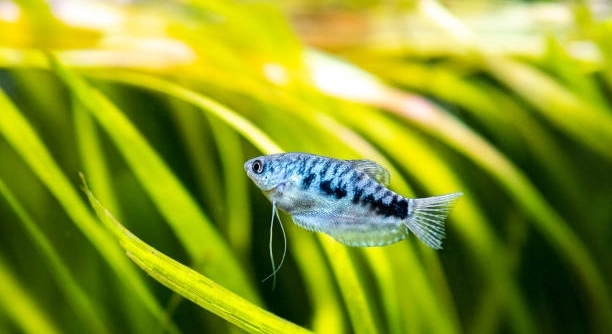
Have you ever watched your gourami interact with its tank and wondered what it sees when it looks at its reflection in the glass?
Gourami are capable of recognizing reflections, but they do not understand them as representations of themselves. Instead, they interpret reflections as potential rivals or threats, often reacting with territorial or defensive behavior.
Recognizing these behaviors can help you adjust their environment and reduce stress. Let’s look at what this means for your gourami’s daily life and tank setup.
What Gourami See in Their Reflection
Gourami are curious fish that interact with their environment in unique ways. When they see their reflection, they don’t realize it’s themselves. Instead, they often interpret the image as another gourami entering their space. This reaction is common, especially in males, who can become aggressive or territorial. You might notice them flaring their fins or displaying more intense coloring. These behaviors are driven by instinct and can lead to stress if the reflection is constant. Light angles, tank position, and water clarity can make reflections more visible, which may increase the likelihood of this happening. It’s helpful to observe your fish and see how often it reacts to certain parts of the tank. This will give you a better idea of whether the reflection is a one-time surprise or a recurring problem. Addressing it early can prevent unnecessary tension and make your gourami more comfortable in its home.
If your gourami is flaring often, the reflection may be affecting its behavior more than you think.
Use tank backgrounds or reposition lighting to reduce reflective surfaces. Plants and décor can also help break up visible reflections. These changes lower the chance of mistaken identity, creating a calmer space for your fish.
Why It Matters for Tank Setup
Anxious or agitated gourami may become more territorial, harming tank mates or losing appetite due to stress.
When your fish is in a constant state of alertness, it’s not just uncomfortable—it’s also unhealthy. Persistent stress can weaken your gourami’s immune system, making it more vulnerable to illness. If you’re seeing repeated flaring, pacing, or hiding, it could be a reaction to something as simple as a reflective tank wall. Making small adjustments can help. Adding real or artificial plants provides cover and breaks up reflections. A tank background on the sides and back of the aquarium helps block out light that causes mirrored surfaces. You can also rearrange tank lights or move the tank away from bright windows to minimize glare. These steps may seem minor, but they have a big impact on how secure your gourami feels. Over time, a calm environment leads to more natural swimming patterns and better eating habits. A few simple tweaks can make your fish feel at ease again.
Signs Your Gourami Is Reacting to a Reflection
Flaring fins, sudden charges at the glass, or pacing back and forth can signal your gourami sees its reflection as another fish. These behaviors often repeat in specific tank areas with more reflective surfaces.
If your gourami constantly swims toward one side of the tank, flares its gills, or acts aggressively in bursts, that area might be reflecting its image. Unlike natural aggression toward tank mates, this behavior won’t stop even if the tank seems peaceful otherwise. You might also notice frequent hiding or refusal to eat, both signs of prolonged stress. Reflections don’t appear at all times of the day, so check the tank under different lighting. Morning and evening sun or overhead room lights can increase reflections. Keeping track of patterns helps confirm if it’s just a habit or a reaction to something your fish thinks is a threat.
Try temporarily covering one side of the tank using paper or fabric to see if the behavior changes. If your gourami calms down or spends more time swimming freely, the reflection could be the cause. This test helps you confirm the issue without immediately changing your full setup. It’s a quick way to gauge what might be bothering your fish.
How to Reduce Reflections in the Tank
Tanks placed near windows or under strong lighting are more likely to reflect the interior glass. Reflections can show up on the back or sides, depending on how light enters the room and how the tank is positioned.
Start by using an aquarium background on three sides of the tank. This helps absorb light and block out reflections. Next, place plants or decorations along the edges where reflections are most visible. This gives your gourami more visual barriers and breaks up the mirrored effect. You can also try adjusting the tank lights so they point downward instead of across the glass. If your tank sits near a window, move it or use curtains during bright hours. Make changes gradually and observe how your gourami responds each day. If aggression or pacing eases, you’ve likely fixed the reflection issue. These steps help create a more stable and peaceful environment for your fish without making major design changes.
Adjusting the Environment Gradually
Start by reducing strong light sources near the tank. Cover nearby windows during the brightest part of the day and avoid placing the tank where sunlight directly hits it. Use adjustable aquarium lighting with lower intensity to help soften reflections without disrupting the gourami’s day-night cycle.
Next, rearrange decorations inside the tank. Add taller plants or rocks along the back and side panels to create visual breaks. This reduces how often your gourami notices its reflection. Even small changes in the layout can help redirect your fish’s attention and lower signs of aggression or stress over time.
When Reflections Become a Long-Term Issue
If your gourami continues reacting to reflections after environmental changes, consider moving the tank to a different spot in the room. Avoid areas with shifting light patterns throughout the day. You can also test different background materials—matte backgrounds usually work better than glossy or light-colored ones. Persistent stress can affect appetite and health, so it’s important to monitor your gourami closely. If signs of stress continue, check the tank’s water parameters to rule out other causes. A combination of environmental tweaks and daily observation will help you find the best setup for your gourami’s comfort and overall well-being.
Choosing the Right Tank Accessories
Avoid using reflective ornaments or shiny backgrounds inside the tank. Stick to matte or textured decorations that don’t bounce light around. This small change makes a big difference in keeping your gourami calm and less reactive.
FAQ
Can gourami recognize themselves in a mirror?
Gourami are unlikely to recognize themselves in a mirror. Most fish do not pass the mirror test, which checks for self-awareness. When gourami see their reflection, they usually react as if they’re seeing another fish. This leads to defensive or aggressive behavior, especially in male gourami. Their actions show territorial instincts rather than self-recognition. While some species like certain primates and birds have shown signs of mirror recognition, fish generally do not. So, it’s safe to say your gourami isn’t admiring itself—it likely sees a rival in its reflection and reacts based on instinct, not awareness.
Is it okay to leave a mirror near a gourami tank?
Leaving a mirror near the tank for short periods can be stimulating, but long-term exposure can stress your gourami. Some owners use mirrors briefly to encourage fin display or for entertainment. However, overuse can lead to exhaustion or even health decline, especially if the gourami stays in an alert or aggressive state. Prolonged interaction with a mirror can also interfere with the fish’s ability to relax or feed normally. If you decide to try this, limit it to a few minutes and monitor the fish closely. It’s usually better to avoid mirrors entirely in community tanks to keep the environment calm.
Why does my gourami keep swimming against the glass?
Swimming against the glass could be a sign your gourami sees a reflection or is exploring its surroundings. If it’s happening often in one spot, reflection is likely the reason. Look at the tank under different lighting conditions to see if light is bouncing off the glass. This behavior can also stem from stress or boredom, especially in a tank that’s too small or lacks enough decorations. Make sure your gourami has space to swim, hiding spots, and visual barriers. If the behavior continues even after removing possible reflections, check water conditions and overall tank environment for other stress factors.
Do female gourami react the same way to reflections as males?
Female gourami may react to reflections, but they are usually less aggressive than males. Male gourami are more territorial, especially when it comes to their space or breeding conditions, which makes them more likely to flare their fins or charge at a reflection. Females may show interest or curiosity, but their responses tend to be brief and less intense. That said, each fish has its own personality, and you might still see defensive behaviors in some females. Watching how each fish responds to lighting and tank changes is the best way to understand their individual comfort levels and needs.
Can stress from reflections make gourami sick?
Yes, stress from constant exposure to reflections can weaken your gourami’s immune system. Stress causes physical strain, making fish more vulnerable to illness or infection. You may notice signs like reduced appetite, erratic swimming, or color fading. If your gourami appears restless, hides more often, or refuses food, reflection-related stress could be part of the cause. Adjusting the tank setup and reducing visual triggers often leads to improvement. Fish need a stable, low-stress environment to stay healthy, so even small ongoing stressors like reflections should be addressed quickly to avoid long-term effects on their well-being.
How long does it take a gourami to adjust to a new tank setup?
Most gourami adjust to a new setup within a few days to a week. During that time, they may explore more, hide, or act cautiously. If the lighting or background changes remove reflections, you might notice reduced aggression or pacing within a few hours. Give your gourami time to settle, and avoid making too many changes at once. If the fish continues to show stress behaviors after a week, recheck tank conditions, lighting, and any reflective surfaces. Consistency is important. Keep their feeding schedule and water quality stable to help the adjustment process go smoothly.
Should I turn off the tank lights to reduce reflections?
Turning off the lights can help reduce reflections, but it shouldn’t be the only solution. Gourami need a stable light cycle to stay healthy, so turning the lights off for long periods isn’t ideal. Instead, try adjusting the angle of the light or using a dimmer setting. You can also use floating plants to break up light patterns and soften reflections naturally. The goal is to balance lighting for both plant health and your gourami’s comfort. Keep the tank out of direct sunlight, and monitor how lighting changes affect the fish’s behavior before making bigger adjustments.
What’s the best tank position to avoid reflections?
Place the tank away from windows or large mirrors to avoid unpredictable reflections. Light entering from the side or behind the tank is more likely to create a mirrored effect on the front or sides. Positioning the tank against a darker wall and using background paper on three sides reduces the chance of reflections forming. Avoid placing bright lights across from the tank or allowing strong sunlight to hit the glass. It’s also helpful to walk around the tank during different times of day and angles to see where reflections appear. Minor changes can improve your fish’s comfort quickly.
Can reflections affect other fish in the tank?
Yes, reflections can bother other fish too, especially territorial or semi-aggressive species. Fish like bettas, cichlids, and even some barbs may respond to their own reflections in the same way as gourami. This can lead to unnecessary aggression, pacing, or even fighting with tank mates if the fish become agitated. While peaceful fish might ignore reflections, more sensitive species can react strongly. If multiple fish in your tank seem tense or aggressive in one area, check for light glare or mirrored surfaces. Reducing reflection benefits the whole tank, making the space calmer and healthier for all fish involved.
Final Thoughts
Gourami are beautiful and interesting fish, but they do not recognize themselves in a mirror. Their reaction to reflections is based on instinct, not self-awareness. When they see their reflection, they think it’s another fish entering their space. This can lead to aggressive or defensive behavior, especially in males. While a few short mirror sessions may seem fun or harmless, they can easily become a source of stress if not managed carefully. Gourami need a calm and stable environment to thrive, and even small stressors like reflections can affect their health over time. It is important to understand their behavior to give them proper care.
Keeping reflections out of the tank can be as simple as adjusting the light or adding a background. Observing your fish regularly will help you notice early signs of stress, such as glass surfing, flaring fins, or loss of appetite. If your gourami is reacting strongly in one area of the tank, check for glare or light bouncing off the glass. Making small changes—like placing the tank away from windows, using dim lighting, or adding plants—can make a big difference. It’s also helpful to provide decorations and hiding spots so the fish feel secure. A relaxed tank setting supports better health and behavior in gourami.
Taking time to understand your fish’s reactions and needs helps you create a space where they can live comfortably. Gourami are social, sensitive, and respond to changes in their surroundings. Their actions, even those caused by reflections, are a way of expressing discomfort or defending their territory. By removing unnecessary triggers, you help them stay calm and active. Watching them swim freely, explore their tank, and interact with other fish is a sign they feel safe. While gourami may not recognize themselves in the mirror, they do recognize when their environment supports their natural behaviors. Providing that environment is one of the most important parts of caring for them properly.

Hello,
If you enjoy the content that we create, please consider saying a "Thank You!" by leaving a tip.
Every little bit helps us continue crafting quality advice that supports the health, happiness, and well-being of pets around the world, for pets of all shapes, sizes, and species.
We really appreciate the kindness and support that you show us!