
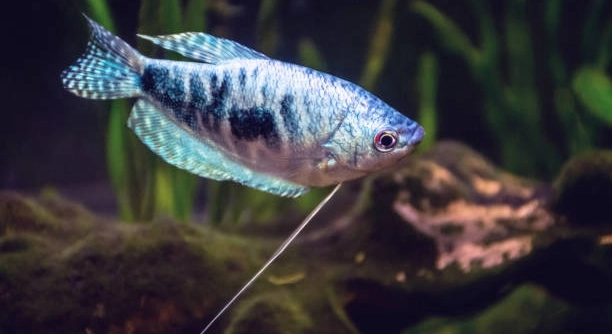
Have you ever noticed your gourami acting oddly near the glass and wondered if something in their tank environment is bothering them?
Gourami can become distracted or even stressed by their own reflections, mistaking them for other fish. This behavior is often triggered by lighting and tank placement, which can increase mirror-like surfaces in the aquarium.
Understanding what causes these reactions can help you create a calmer space for your gourami and support their overall well-being.
Why Reflections Affect Gourami Behavior
Gourami are sensitive fish that respond to subtle changes in their environment, including their own reflections. When light hits the tank at certain angles or when the background is too dark, the glass can act like a mirror. This can confuse the gourami, making them believe there’s another fish in their territory. Some may try to interact or show aggression, thinking they need to defend their space. Others may seem anxious or pace back and forth. These behaviors are often misinterpreted as general stress or illness, but they may simply be a response to seeing a reflection they can’t understand. This type of visual stimulation can wear on the fish over time, especially in smaller tanks where there’s less room to escape the mirrored areas. Being aware of how lighting and background choices affect visibility in the tank can make a real difference in how your gourami behaves throughout the day.
Gourami are territorial by nature, so a constant reflection can lead to ongoing stress or aggression if not addressed properly.
Adding a background to the tank, adjusting room lighting, or using plants to break up reflective surfaces can reduce this issue. Even small changes can help calm your fish.
How to Create a Calmer Tank Environment
Bright lighting and bare tank walls often make reflections worse. Lowering the room light or using a dimmer tank light can help. Darker or patterned backgrounds on the back and sides of the aquarium also reduce reflections. Floating plants, tall decorations, or live plants along the glass can break up direct lines of sight and provide the gourami with better hiding spots. If your tank is in a room with windows or strong overhead lights, try moving it to a more stable lighting environment. These adjustments don’t have to be major. The key is consistency and reducing the chances for reflections to appear. Once these changes are made, most gourami begin to act more relaxed and return to normal behavior. Watching for improvements over several days will help confirm if reflections were causing the problem. Always monitor for other signs of stress, but reducing reflections is a good place to start.
Recognizing the Signs of Reflection Stress
You might notice your gourami flaring its fins, swimming at the same spot repeatedly, or acting more aggressive than usual. These behaviors often happen near tank walls and usually follow changes in lighting or rearrangements inside the aquarium.
Some gourami react by charging toward the glass, thinking they’re facing a rival. Others might stop eating, hide more often, or remain unusually still. These signs can appear gradually or start suddenly, depending on how intense or frequent the reflections are. Stress caused by reflections might also make the fish more reactive to external movement outside the tank. Since gourami are intelligent and territorial, they may not quickly adapt to what they perceive as an ongoing threat. If this behavior doesn’t settle after you dim the lighting or make adjustments, there’s a chance the tank’s position or glass clarity is contributing. Addressing these signs early can prevent stress from becoming a more serious issue.
Sometimes, stress from reflections causes long-term behavior changes. Even after the visual trigger is removed, your gourami may stay on alert or avoid certain areas of the tank. This is more likely if the issue lasted for days or weeks before being corrected. Chronic stress affects appetite, color, and immune response. Making sure your gourami feels secure again may involve creating more shaded spaces, adding gentle filtration to reduce their focus on the glass, and reducing foot traffic near the tank. Observing from a distance can also help them feel less watched. Over time, these small changes will help rebuild their routine and confidence. Regular tank maintenance and consistent lighting schedules help avoid the return of reflection stress.
Simple Changes That Make a Big Difference
Start by placing a dark or patterned background behind the tank. This stops light from bouncing around and creating mirror-like spots. Floating plants also help by reducing light reflection across the water’s surface, especially during daylight hours.
Avoid placing the tank near windows or mirrors. Natural sunlight and room lighting reflect differently throughout the day, increasing chances for unwanted glare. Choose aquarium lights that aren’t overly bright or harsh and stick to a timer to keep the lighting stable. Position tall plants or decorations along the sides of the tank to break up glass visibility. These barriers give the gourami more places to explore without feeling like they’re being challenged by another fish. Use a soft cloth to keep the glass clean, as dust or smudges can also affect reflection. Make small adjustments and watch how your gourami responds. Clear, relaxed swimming and reduced pacing are good signs that the changes are working.
When to Worry About the Behavior
If your gourami becomes aggressive toward its reflection for more than a few days, it may be time to intervene. Constant stress can affect its health, causing issues like a lowered immune system or changes in eating habits.
Watch for clamped fins, rapid gill movement, or faded color. These signs usually mean the stress is ongoing and starting to affect the fish physically. Taking quick steps to adjust lighting or tank placement can help prevent further health decline.
Additional Ways to Reduce Reflection
Covering the sides of the tank with paper or removable panels can block reflections temporarily while you test what works best. If your fish continues to react, try changing the tank’s position. Moving it away from direct sunlight, windows, or high-traffic areas can make a big difference. Adjusting light intensity and choosing softer, indirect lighting is also helpful. A combination of physical barriers, better lighting control, and added tank decorations usually works well for most setups. Always make one change at a time and observe your gourami’s behavior before making another. This helps you understand which adjustment is making the most impact.
Final Note on Gourami Care
Understanding what triggers your gourami’s behavior can help you create a more peaceful tank. Reflections are easy to overlook, but small changes make a big difference. Keep the tank consistent, calm, and well-shaded for a more relaxed fish.
FAQ
Why do gourami react to their reflections?
Gourami have territorial instincts, so when they see their reflection, they often think it is another fish invading their space. This can cause them to behave aggressively or become stressed as they try to defend their territory. Reflections confuse them because they cannot recognize themselves.
How can I tell if my gourami is stressed by reflections?
Signs include aggressive fin flaring, repeated swimming at the glass, hiding more than usual, or loss of appetite. You might also notice clamped fins, faded colors, or rapid breathing. These behaviors usually occur near reflective surfaces or after changes in lighting.
Can reflections cause long-term harm to gourami?
Yes. Continuous exposure to reflections can cause chronic stress, which weakens the immune system and affects overall health. Over time, stressed gourami may become more susceptible to disease or show changes in behavior that are harder to reverse.
What simple steps reduce reflections in my aquarium?
Use a dark or patterned background to stop light from bouncing inside the tank. Adding plants or decorations near the glass breaks up reflections. Adjust lighting to be softer or dimmer and avoid placing the tank near windows or bright room lights.
Are there specific plants that help with reflections?
Floating plants work well because they reduce light hitting the water surface, which lowers reflections. Tall plants placed along the sides also create natural barriers that block reflections and give gourami places to hide.
Should I move my tank if reflections bother my gourami?
If reflections persist despite lighting changes and decorations, moving the tank to a location with less natural light or less room activity can help. Position the tank away from windows, mirrors, and bright lamps.
Is it okay to cover the tank glass to block reflections?
Temporary coverings like paper or panels can reduce reflections while you test other solutions. However, ensure the gourami still has enough light and visibility for normal behavior. Avoid fully blocking light, which can stress the fish in other ways.
Can multiple gourami reduce reflection stress?
Adding more gourami is not always a solution. Gourami are territorial, and too many fish can increase stress and aggression. It is better to reduce reflections and provide hiding spots than to rely on adding fish to distract them.
How long does it take for gourami to adjust after reducing reflections?
Improvement can be seen within a few days, but some fish may take weeks to fully calm down. Consistent tank conditions and gentle observation help your gourami regain normal behavior.
What else can I do to keep my gourami calm?
Maintain a stable temperature and clean water to reduce overall stress. Provide plenty of hiding places and avoid sudden changes in lighting or tank setup. Keeping the environment predictable helps your gourami feel secure.
Does tank size affect how gourami react to reflections?
Smaller tanks tend to increase the chances of reflection stress because fish have fewer places to avoid mirrored surfaces. Larger tanks with more plants and decorations offer more hiding spaces and reduce visible reflections.
Can reflections cause gourami to injure themselves?
Yes. Aggressive behavior toward their reflection may lead gourami to bump into the glass repeatedly, risking physical injury. Limiting reflections can prevent this type of self-harm.
Are some gourami species more sensitive to reflections?
Yes. Some species, like the pearl gourami, may be more prone to reacting strongly to reflections because of their territorial nature. Other species might be less reactive, but all gourami benefit from minimizing reflections.
What lighting is best for gourami tanks to avoid reflections?
Soft, diffused lighting with a timer set for regular intervals is best. Avoid strong overhead lights or direct sunlight, which create harsh reflections. LED lights with adjustable brightness work well.
How do I clean the tank glass to reduce reflections?
Keep the glass free of dust, smudges, and algae by cleaning it regularly with an aquarium-safe cloth or scraper. Dirt on the glass can increase glare and make reflections more noticeable.
Is it normal for gourami to interact with their reflection occasionally?
Yes. Some interaction is normal as gourami may be curious or test their territory. The problem occurs when this behavior is constant or causes stress. Monitoring frequency helps determine if action is needed.
Can reflections disrupt breeding behavior?
Reflections can interfere with breeding by causing stress or distraction. Gourami need calm and stable environments for spawning, so reducing reflections helps support successful breeding.
Are there behavioral signs that indicate reflection stress versus other problems?
Reflection stress often causes repeated aggressive or defensive behaviors focused on the glass. Other problems like illness might show different signs, such as lethargy or abnormal swimming. Context and location of behavior are important clues.
Can changing the tank background color help?
Yes. Dark or natural colors reduce reflections better than light or bright backgrounds. Experimenting with background shades can help find what works best for your tank’s lighting and your gourami’s comfort.
Final Thoughts
Reflections can cause noticeable behavior changes in gourami. They may react aggressively or become stressed when they see their own image in the glass. This happens because gourami mistake their reflection for a rival fish. Such behavior is natural but can affect their well-being if it continues for a long time. It is important to recognize these signs and take action to reduce reflections in the tank. Small adjustments can make a big difference in keeping your gourami calm and healthy.
Controlling reflections involves several practical steps. Using a dark or natural background limits the light bouncing inside the aquarium. Adding plants and decorations near the glass creates visual barriers that break up reflections. Adjusting the lighting to avoid direct sunlight or bright overhead lights helps reduce glare. Sometimes moving the tank to a different location away from windows or bright lamps is necessary. These changes create a more comfortable environment and prevent stress-related health issues.
Maintaining a stable and consistent tank setup supports the overall well-being of gourami. Stress from reflections is only one factor that can disturb them. Water quality, temperature, and diet also play important roles. Providing hiding spots and minimizing sudden changes in their environment helps gourami feel secure. Observing their behavior regularly allows for early detection of problems. With attention to these details, gourami can live peacefully and display their natural, calm behavior in the aquarium.

Hello,
If you enjoy the content that we create, please consider saying a "Thank You!" by leaving a tip.
Every little bit helps us continue crafting quality advice that supports the health, happiness, and well-being of pets around the world, for pets of all shapes, sizes, and species.
We really appreciate the kindness and support that you show us!