
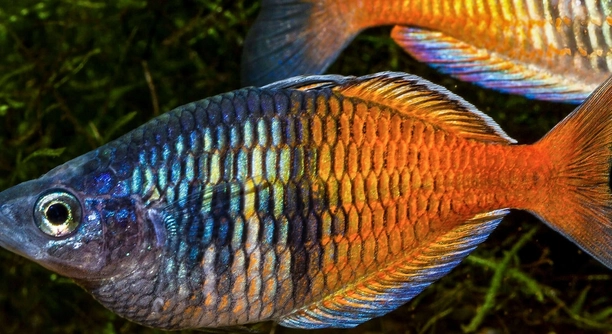
Rainbow fish are beautiful creatures that add color and life to any aquarium. If you’ve noticed your rainbow fish shaking randomly, you might be curious about the reason behind this behavior. Understanding the cause can help keep your fish healthy.
The random shaking of rainbow fish is often caused by a variety of factors, including stress, water quality issues, or even mating behavior. This shaking may also result from the fish adjusting to its environment or reacting to external stimuli.
Addressing these factors can ensure your rainbow fish stay happy and healthy. By exploring the reasons behind this behavior, you’ll be better equipped to maintain a peaceful aquarium for your aquatic friends.
Stress and Anxiety
Rainbow fish are sensitive creatures that can easily become stressed. When they shake randomly, it might be a sign that they are anxious or uncomfortable. Factors such as sudden changes in the tank environment, overcrowding, or aggressive tank mates can cause stress. Fish are also sensitive to noise and vibrations, which might lead to shaking. Additionally, stressful situations like inadequate hiding spots can leave your fish feeling exposed and vulnerable. Stress can weaken their immune system, making them more prone to illness, so it’s important to address any signs of distress quickly.
Creating a calm, peaceful environment is key. Ensure that your tank has plenty of space and that water parameters remain stable.
When a rainbow fish feels stressed, it’s important to reduce environmental stressors. You can add plants or decorations to give them hiding spaces, and check for compatibility with other fish in the tank. Regular water changes and proper filtration will help maintain a stable environment. Keeping your fish calm and comfortable will reduce the likelihood of shaking.
Poor Water Quality
If the water in your aquarium is dirty or not properly balanced, it can lead to shaking behavior in rainbow fish. Polluted water can cause irritation to their gills and skin, leading to stress and discomfort. Water quality issues such as high ammonia, nitrite, or nitrate levels can be toxic to fish, affecting their overall health.
To ensure proper water quality, it’s important to regularly check the levels of ammonia, nitrites, and nitrates. Keeping the water clean and well-filtered will make a significant difference.
When water quality is off, fish often display visible signs of distress, such as shaking or rapid swimming. To remedy this, perform regular water tests, and keep up with water changes. Proper filtration helps remove harmful substances, while adding beneficial bacteria will ensure a healthier environment. Monitoring your water conditions will help your fish thrive and reduce any shaking behavior.
Mating Behavior
Rainbow fish often shake during their mating rituals. This behavior is usually a sign of excitement or courtship, especially in males trying to attract females. The shaking can be a way of showing off their colors and movements to impress potential mates. Mating behavior typically happens when the fish are healthy and in the right environment for breeding.
While shaking during mating is normal, it’s important to make sure the tank conditions are suitable. The water should be at the correct temperature, and the tank should have enough space for the fish to display natural behaviors.
If you’re seeing excessive shaking, it might be due to stress or the presence of incompatible tank mates. However, in most cases, some shaking is completely natural and part of the breeding cycle. Understanding the difference between mating behaviors and distress signals will help you address any concerns with confidence.
Illness or Parasites
Sometimes, shaking in rainbow fish is caused by health problems, including parasites or infections. Illnesses like ich, a common fish parasite, can make your fish shake or swim erratically. If you notice other signs, such as discolored spots or lethargy, it may be a signal of illness.
If you suspect that your fish might be sick, separate it from the others to prevent the spread of any possible infection. Consult an aquatic vet or apply appropriate treatments for parasites or bacterial infections.
Maintaining a clean tank environment and avoiding overfeeding can prevent some common illnesses. Also, providing the right nutrition and minimizing stress can keep your rainbow fish strong and less prone to sickness. Regular observation of your fish will help you catch health problems early.
Tank Environment and Space
Rainbow fish need enough room to swim freely, and lack of space can lead to shaking. When fish feel cramped, they can become stressed, which causes erratic movements. Ensuring your tank is spacious enough for the number of fish will reduce stress and help maintain a peaceful environment.
Make sure your tank is large enough to accommodate your rainbow fish. Overcrowding leads to competition for food and space, which can trigger stress and shaking.
Temperature and Water Conditions
The water temperature plays a crucial role in the well-being of rainbow fish. If the water is too cold or too warm, your fish might begin to shake. Ideal temperatures for rainbow fish range between 72-80°F (22-27°C). Temperature fluctuations can also cause stress and erratic behavior.
To maintain proper water conditions, use a reliable heater and thermometer to monitor temperature levels. Rapid changes in water temperature should be avoided, as they can cause sudden stress. Make gradual adjustments when needed, and always double-check the consistency of the tank’s environment. Keeping it stable is key for your fish’s comfort.
Aggression from Other Fish
Some fish species are naturally more aggressive and may cause stress to your rainbow fish. Aggression can result in shaking, as the rainbow fish may be trying to avoid conflict or escape. If this occurs, it’s essential to identify the aggressive species and consider rehoming them.
Aggressive behavior in fish can lead to injury and anxiety, so monitoring interactions is important. If aggression persists, separating the fish may be necessary to prevent long-term damage to your rainbow fish’s health.
FAQ
Why do rainbow fish shake suddenly?
Rainbow fish shaking suddenly can be caused by several factors, such as stress, illness, mating behavior, or environmental issues. It’s essential to observe if the shaking is accompanied by other symptoms, like changes in color, disorientation, or rapid swimming. If the shaking is brief and followed by normal behavior, it may just be a response to stress or environmental changes. However, if it persists, further investigation into water quality, tankmates, and overall health may be necessary.
How can I reduce stress in my rainbow fish?
Stress in rainbow fish can be reduced by ensuring they have a spacious tank, stable water conditions, and compatible tankmates. Avoid overcrowding, as this can lead to aggressive behavior and discomfort. Adding plants and hiding spots will give them a sense of security. Regular water changes and maintaining optimal water parameters are essential for their well-being. A peaceful environment without loud noises or vibrations will also help them feel calm.
Is shaking a sign that my rainbow fish is sick?
Shaking can sometimes indicate that your rainbow fish is sick, particularly if it’s a response to parasites or infections. Diseases like ich or fin rot can cause your fish to shake or swim erratically. If you notice any other signs such as discoloration, lethargy, or abnormal behavior, it’s important to take action. Separate the fish if necessary, and treat with the appropriate medication. Regularly check the water quality to prevent health issues.
What water temperature is ideal for rainbow fish?
Rainbow fish thrive in water temperatures between 72-80°F (22-27°C). Keeping the water within this range helps maintain their health and reduces the likelihood of stress-related shaking. Temperature fluctuations outside of this range can cause discomfort, and extreme changes can even be harmful to the fish. Use a reliable heater and thermometer to maintain a consistent temperature in the tank.
Can rainbow fish shake while mating?
Yes, shaking can be a normal part of rainbow fish mating behavior. During courtship, males often display shaking or fluttering movements to attract females. This behavior is common during the breeding season and is typically harmless. If the shaking is part of mating behavior, it should stop once the courtship ends. However, if it continues for long periods or if the fish appear stressed, other factors may be contributing to the behavior.
How can I tell if my rainbow fish has a parasite?
Rainbow fish with parasites may show symptoms like shaking, erratic swimming, or rubbing against objects in the tank. External parasites like ich can cause small white spots to appear on their skin, while internal parasites might cause weight loss or changes in appetite. If you notice any of these signs, it’s essential to treat the fish as soon as possible. Isolating the infected fish and using medicated water treatments will help eliminate the parasites and prevent them from spreading.
What should I do if my rainbow fish is shaking a lot?
If your rainbow fish is shaking persistently, check the water conditions first. Poor water quality, such as high levels of ammonia or nitrites, can lead to shaking due to irritation or stress. Perform a water test to ensure the water is within acceptable parameters. If the water quality is fine, examine your fish for signs of illness or parasites. If necessary, isolate the fish, treat it, and make sure the tank environment is ideal for its health.
Can aggressive tankmates cause shaking in rainbow fish?
Yes, aggressive tankmates can stress your rainbow fish and lead to shaking. Fish that are territorial or overly dominant may chase or nip at your rainbow fish, causing anxiety. If you notice any signs of aggression, it’s best to remove the aggressor or create barriers in the tank to separate the fish. Ensuring that your rainbow fish has enough space and hiding spots can help reduce the risk of aggression and prevent stress-related shaking.
How often should I change the water in my rainbow fish tank?
Water changes should be done regularly to maintain a healthy environment for your rainbow fish. A 25-30% water change every 1-2 weeks is recommended, but this may vary depending on the tank size, the number of fish, and filtration. Regular water changes help prevent the buildup of harmful substances like ammonia and nitrates, which can cause stress and shaking. Be sure to match the new water’s temperature and pH to avoid sudden changes that could further stress your fish.
Why is my rainbow fish shaking and hiding?
If your rainbow fish is shaking and hiding, it could be feeling stressed or unwell. Shaking is often a response to poor water quality, aggression, or other stressors in the tank. If the fish is hiding, it may be trying to avoid an aggressive tankmate or is simply trying to find safety. Check the water parameters, ensure that the tank is not overcrowded, and look for any signs of illness. Improving the environment and addressing any issues will help your fish feel more secure.
Final Thoughts
Rainbow fish shaking randomly can be a sign of different things, from stress and environmental issues to mating behavior or illness. It’s essential to observe your fish closely and consider factors like water quality, tank space, and temperature. By regularly checking these aspects, you can create a healthier environment that supports your fish’s well-being. If the shaking is frequent or persistent, it’s important to take action and ensure there are no underlying health issues. Paying attention to your fish’s behavior can help you identify problems early and take the right steps to fix them.
Maintaining a clean and stable environment for your rainbow fish is key to keeping them healthy and comfortable. Regular water changes, proper filtration, and monitoring water parameters like temperature, pH, and ammonia levels will go a long way in reducing stress. Overcrowding or aggressive tankmates can also trigger shaking, so be mindful of the balance in your tank. Adding plants and hiding spaces can help your fish feel more secure. When you provide a peaceful, stress-free environment, your rainbow fish will be happier and less likely to display erratic shaking behavior.
Lastly, it’s important to remember that some shaking is completely natural, especially during mating or when the fish are adjusting to changes in their environment. If the shaking stops after a short period and your fish returns to normal behavior, there’s no need for concern. However, if the shaking continues or is accompanied by other symptoms, like discoloration or lethargy, it’s best to seek advice from an aquatic expert. In most cases, identifying the cause and making the necessary changes will allow your rainbow fish to thrive and enjoy a happy, healthy life.

Hello,
If you enjoy the content that we create, please consider saying a "Thank You!" by leaving a tip.
Every little bit helps us continue crafting quality advice that supports the health, happiness, and well-being of pets around the world, for pets of all shapes, sizes, and species.
We really appreciate the kindness and support that you show us!