
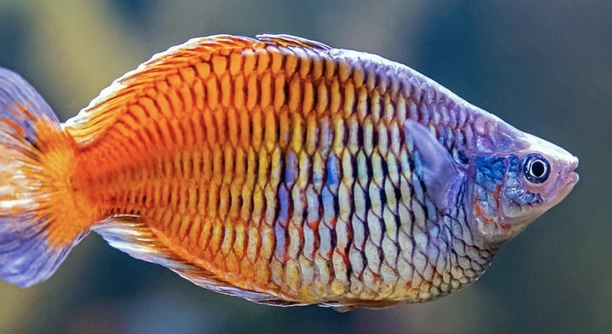
Rainbow fish are known for their vibrant colors and lively behavior, but there may be times when they hide and don’t return. Understanding why this happens can help you keep your fish safe and happy.
Rainbow fish may hide and not return due to factors such as stress, environmental changes, illness, or aggression from tankmates. These fish are sensitive to changes in water quality, temperature, and tank dynamics, leading them to seek refuge.
The next time your rainbow fish hides, it could be a sign of stress or discomfort. Understanding the reasons behind this behavior is key to ensuring their well-being in your tank.
Stress and Environmental Changes
Stress is one of the most common reasons rainbow fish may hide. These fish are very sensitive to changes in their environment, whether it’s the water temperature, light levels, or the introduction of new tankmates. If the water becomes too warm or cold, or if there are sudden changes in water chemistry, your rainbow fish may seek a quiet corner of the tank to avoid the stress.
If you notice that your rainbow fish is hiding, check the water conditions first. Water temperature should be between 72°F and 79°F, and pH levels should stay within a range of 6.5 to 7.5. Inconsistent water parameters can quickly affect the fish’s behavior, making them feel unsafe. Even things like strong tank lights or loud noises can be sources of stress. Try to maintain a stable environment to help keep your rainbow fish calm and comfortable.
In addition to physical stressors, emotional stress can also play a role. If you’ve recently added new fish, the rainbow fish might be intimidated or even feel threatened. They might hide until they adjust to the new tank dynamic. Keep in mind that some fish are just naturally more sensitive than others, and they might need time to adjust to changes in their surroundings.
Illness and Injury
Sometimes, rainbow fish hide due to health issues. If your fish isn’t feeling well, it may retreat to a more secluded spot in the tank to avoid showing signs of weakness. Illnesses such as parasites, fungal infections, or internal problems can cause lethargy and discomfort.
If you suspect your fish might be ill, check for other signs like changes in color, fin damage, or loss of appetite. If these symptoms are present, you should isolate the affected fish and treat it separately to prevent the spread of any potential diseases. Keep an eye on water conditions to avoid exacerbating any illness, as poor water quality can make it harder for the fish to recover.
Proper care and attention to their health will not only help prevent these issues but also help you recognize when something might be wrong early on. If illness is suspected, consult an aquarium expert or veterinarian for guidance on the best treatment options to ensure the health of your rainbow fish.
Aggression from Tankmates
Rainbow fish can hide if they feel threatened by more aggressive tankmates. Larger or more territorial fish might chase them, forcing them to seek shelter. This can lead to a significant amount of stress for the rainbow fish, causing it to remain hidden.
If you’re keeping rainbow fish with other species, pay close attention to their behavior. Aggressive fish like cichlids or certain types of barbs can be a source of constant stress for smaller, more peaceful species. Monitor interactions closely, and if you notice bullying, consider separating the aggressive fish or rearranging the tank to break up territorial areas.
To keep your rainbow fish safe, choose tankmates that are peaceful and similar in size. If aggression continues despite this, providing plenty of hiding places like plants, rocks, or caves can give your rainbow fish a retreat to escape from any hostile situations.
Water Quality Issues
Poor water quality can cause your rainbow fish to hide. Changes in ammonia, nitrites, or nitrates can stress them out, making them feel unsafe in their own tank. Keeping track of these levels regularly can prevent the fish from seeking cover due to discomfort.
Regular water testing is essential for maintaining a healthy aquarium. Rainbow fish thrive in clean water, and any imbalance in the tank can lead to hiding behavior. The water should be changed frequently, and filters should be cleaned to keep toxins in check. High nitrate or ammonia levels can create a harmful environment, leading your fish to hide from stress.
Always use a reliable water test kit to monitor the conditions. When you spot any imbalances, adjust the filtration or perform a water change. A healthy, balanced tank will help prevent this kind of hiding behavior and improve your rainbow fish’s overall well-being.
Overcrowding in the Tank
Overcrowding can lead to stress and hiding. When too many fish share a tank, it can cause territorial disputes and reduce the space your rainbow fish have to swim. This leads them to retreat to corners or hidden spots where they feel safer.
To avoid overcrowding, make sure your tank has enough space for each fish. The general rule is to provide at least one inch of fish per gallon of water, but this can vary depending on the species. When overcrowded, fish often become more stressed, leading to hiding behavior. Keeping fewer fish per tank ensures that each one has room to thrive.
Regularly check the number of fish in your tank and monitor their behavior. If you notice your rainbow fish hiding more often, consider either reducing the number of tankmates or upgrading to a larger tank. A spacious environment promotes better health and reduces stress.
Lack of Proper Hiding Spots
Rainbow fish may hide if there are insufficient hiding spots in the tank. Fish naturally seek shelter for safety, especially when they feel threatened. Without proper hiding spots, they will have nowhere to retreat, which may cause them to remain hidden.
Add plants, rocks, or other decorations to your tank to create spaces where the fish can take cover when needed. These structures will also help replicate a more natural environment for your fish, which helps reduce stress. Providing hiding spots will make your rainbow fish feel more secure and may reduce their need to hide constantly.
FAQ
Why is my rainbow fish hiding all the time?
Rainbow fish may hide for several reasons, with stress and illness being two of the most common causes. If the water conditions are not ideal or if they’re experiencing aggression from tankmates, they may seek refuge in hiding spots. Other factors like overcrowding or lack of hiding places can also contribute to this behavior. Check the water temperature, pH levels, and ensure no aggressive fish are in the tank. Regularly monitor their behavior and make necessary changes to reduce stress and create a more peaceful environment.
How can I reduce stress in my rainbow fish?
Reducing stress starts with providing a stable environment. Ensure your tank’s water quality is optimal by checking ammonia, nitrite, and nitrate levels regularly. Keep the water temperature within a consistent range of 72°F to 79°F and maintain a balanced pH. Avoid introducing new fish or sudden changes in the tank that might disrupt the peaceful environment. Add plants, rocks, or decorations to create a sense of security. Providing plenty of space and hiding spots can also help reduce stress levels in your rainbow fish.
Should I add more fish to my tank?
Before adding more fish, consider the size of your tank and the number of current inhabitants. Overcrowding can stress fish, leading them to hide or become ill. Make sure the tank has enough space for each fish to swim comfortably. Follow the general rule of thumb, which is one inch of fish per gallon of water, but take the size and temperament of each species into account. If you’re unsure, it’s better to have fewer fish than to overcrowd the tank.
What type of fish can I keep with rainbow fish?
Rainbow fish are peaceful and get along well with other non-aggressive species. Ideal tankmates include other calm species like tetras, livebearers (like guppies and mollies), and peaceful bottom dwellers like corydoras catfish. Avoid keeping them with aggressive fish like cichlids or fin-nipping species such as barbs. The key is to choose tankmates that are similar in size and temperament, ensuring that your rainbow fish aren’t intimidated or outcompeted for food.
Can rainbow fish live with bettas?
It’s generally not recommended to keep rainbow fish with bettas. Betta fish are known for their aggressive nature, especially towards other males or brightly colored fish. While rainbow fish are peaceful, they might become targets of aggression from bettas, particularly if the betta feels threatened by their vibrant colors or fast movements. If you still wish to keep both species, ensure there is plenty of space and visual barriers to reduce direct contact.
How often should I feed my rainbow fish?
Rainbow fish should be fed once or twice a day with portions that they can consume within a few minutes. Overfeeding can lead to water quality issues, which can stress the fish and affect their health. Feed a varied diet, including high-quality flakes or pellets, along with occasional live or frozen foods like brine shrimp or daphnia. Always remove any uneaten food to maintain clean water and avoid unnecessary waste buildup.
Can rainbow fish live with shrimp?
Rainbow fish generally do well with shrimp, but some larger species might see small shrimp as a snack. Smaller rainbow fish, like the dwarf rainbow fish, are better suited for shrimp tanks. Ensure there are plenty of hiding places for the shrimp to avoid being hunted by the fish. Keep an eye on the interactions between your rainbow fish and shrimp, especially during molting when the shrimp may be more vulnerable.
Why are my rainbow fish not eating?
If your rainbow fish aren’t eating, it could be due to stress, illness, or poor water quality. Check the water parameters to ensure they’re within the ideal range. Stress from new tankmates or environmental changes can also reduce their appetite. If the issue persists, observe the fish for signs of illness such as lethargy, abnormal swimming, or discoloration. It may also be a good idea to offer a variety of foods to see if they prefer a different type of diet.
Can rainbow fish tolerate low light?
Rainbow fish prefer moderate to bright lighting in their tanks. Low light might cause them to become lethargic or affect their natural behavior. However, they can tolerate lower light levels if necessary, though it may reduce their activity and vibrancy. Keep in mind that a dimly lit environment might also affect plant growth in the tank, which in turn can affect the overall ecosystem.
How do I know if my rainbow fish is sick?
Signs of illness in rainbow fish can include changes in appearance (such as faded colors or fin damage), unusual swimming patterns (like swimming near the surface or staying at the bottom), or a lack of appetite. If you notice your rainbow fish acting differently or showing visible signs of distress, it’s important to check water conditions and observe the fish closely. If symptoms persist, consider isolating the affected fish and seeking advice from a veterinarian or aquarium expert to treat any illnesses.
What’s the best tank setup for rainbow fish?
A well-planted tank with plenty of open swimming space is ideal for rainbow fish. They prefer slightly acidic to neutral water with a temperature range between 72°F and 79°F. Use a good filtration system to keep the water clean and stable. Include hiding spots like plants, rocks, or caves, but also ensure there is enough open space for them to swim actively. Avoid overly bright lighting and provide a calm, stress-free environment to encourage their natural behavior.
Final Thoughts
Rainbow fish are beautiful and lively creatures, but like any pet, they need the right environment to thrive. If you notice that your rainbow fish is hiding and not returning, it’s often a sign that something in their tank isn’t quite right. Whether it’s stress, illness, or poor water quality, understanding the reasons behind this behavior is key to ensuring your fish stays healthy and happy. The good news is that most issues can be addressed with a few adjustments to their environment, careful monitoring, and attention to their needs.
Providing a stable, comfortable environment for your rainbow fish will help them feel secure enough to come out of hiding. Regularly checking water parameters, such as temperature, pH, and ammonia levels, is crucial to keeping your tank healthy. Along with this, it’s important to consider the temperament of the fish you keep with them. Some tankmates can be overly aggressive, which could cause your rainbow fish to retreat. Choosing peaceful companions and offering plenty of hiding spots can go a long way in helping reduce stress and create a more peaceful aquarium.
Taking the time to understand your rainbow fish’s behavior and making necessary changes will help you enjoy them for a long time. Regular care and observation can prevent many issues that lead to hiding behavior. Keeping their environment stable, offering a balanced diet, and providing a calm atmosphere will not only make your rainbow fish feel more secure but will also improve their overall well-being. By staying proactive in maintaining their habitat, you can ensure your rainbow fish continue to shine in your tank.

Hello,
If you enjoy the content that we create, please consider saying a "Thank You!" by leaving a tip.
Every little bit helps us continue crafting quality advice that supports the health, happiness, and well-being of pets around the world, for pets of all shapes, sizes, and species.
We really appreciate the kindness and support that you show us!