
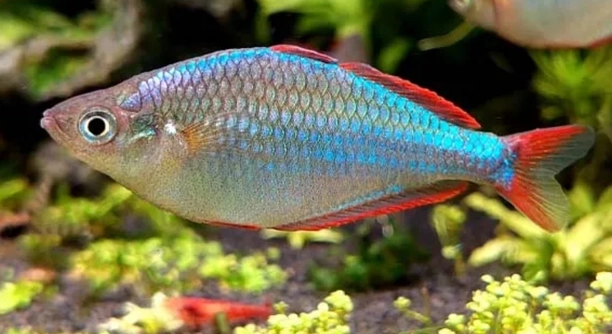
Rainbow fish are known for their colorful and captivating appearance. Sometimes, you may notice them hovering in one spot, seemingly still. This behavior can seem puzzling, but understanding it can help clarify what’s happening with your fish.
Rainbow fish hover due to several factors, including water temperature, oxygen levels, and overall health. When conditions are not ideal, such as low oxygen levels or stress, the fish may hover as a way to conserve energy or adapt to their environment.
Understanding why your rainbow fish might hover is essential for ensuring they stay healthy. By addressing the possible causes, you can improve their well-being and create a more comfortable environment.
Why Do Rainbow Fish Hover?
Rainbow fish may hover as a response to environmental stress or discomfort. In nature, they are often found in calm waters, and when placed in an aquarium with inadequate water quality or oxygen levels, they may exhibit this behavior. A common issue is the lack of oxygenation, which forces fish to hover near the surface where oxygen levels are higher. They may also hover as a result of temperature changes, as they tend to prefer stable, warm environments. Additionally, stress from overcrowding or poor water conditions can also make them hover in place. Ensuring proper water parameters, temperature control, and enough space can help eliminate this issue and make your rainbow fish feel comfortable in their home.
Sometimes, rainbow fish will hover due to natural behavior or illness. It’s essential to monitor any changes carefully to address the problem quickly. Keep a close watch on the water conditions, diet, and any other possible health issues.
When setting up your aquarium, it’s important to create an environment that mirrors their natural habitat. Rainbow fish thrive in aquariums that are well-maintained, with stable water conditions and ample oxygen. Regular water changes, proper filtration, and careful monitoring of temperature and pH levels can ensure that your rainbow fish are healthy and active. They should also be provided with a balanced diet and enough swimming space to prevent them from feeling stressed. If your fish are still hovering, it may be helpful to consult a professional for further advice.
Common Water Problems for Hovering Fish
Water quality is often the biggest issue for hovering rainbow fish. They need clear, clean water to thrive. Poor water quality can cause stress, leading to hovering.
The most common water-related problems that cause hovering in rainbow fish include improper pH, low oxygen levels, or elevated ammonia. These issues can result from overfeeding, inefficient filtration, or infrequent water changes. Regular testing of the water’s pH, ammonia, and oxygen levels can help ensure that the water stays optimal for your fish. It’s also important to avoid overcrowding, as this can further decrease water quality.
Oxygen Levels and Fish Health
Low oxygen levels in the aquarium can directly affect rainbow fish, causing them to hover near the surface. Without sufficient oxygen, fish conserve energy by staying still. It’s essential to maintain good oxygenation through proper filtration and aeration.
To ensure your rainbow fish are getting enough oxygen, consider adding an air pump or increasing water movement with a filter or powerhead. Make sure the tank is not overcrowded, as this can also limit oxygen availability. Frequent water changes also help maintain oxygen levels and keep harmful substances in check.
If your rainbow fish are hovering and water parameters seem fine, increasing water movement could make a significant difference. This small adjustment helps improve oxygen distribution throughout the tank. You may also want to check if the filter is working efficiently and if any obstructions are limiting water flow.
Temperature Fluctuations and Stress
Rainbow fish are sensitive to sudden changes in temperature, which can lead to hovering behavior. A fluctuating environment makes it difficult for them to maintain comfort.
Maintaining a consistent water temperature is vital to the well-being of your fish. Ideal temperatures for rainbow fish range from 72°F to 78°F. A reliable aquarium heater and thermometer can help keep the temperature stable. Avoid placing the tank in areas with drafts or direct sunlight, as temperature changes in these locations can stress the fish.
Fluctuations in temperature can also weaken their immune system, making them more susceptible to diseases. It’s best to invest in a high-quality aquarium heater that maintains a steady temperature throughout the day and night. Consistency is key to preventing hovering due to stress.
Overcrowding and Stress
Overcrowding in the tank can cause rainbow fish to feel stressed, leading to hovering. When fish don’t have enough space, they may seek out calmer, less congested areas.
Providing enough swimming space for each fish helps reduce stress and keeps them active. An overcrowded tank not only limits space but also affects water quality, both of which can contribute to hovering behavior.
Poor Water Quality
Poor water quality is another significant cause of hovering in rainbow fish. If the water is too polluted, fish will often hover near the surface where conditions are better.
Maintaining proper filtration, regular water changes, and monitoring ammonia, nitrate, and nitrite levels are essential. Clean water promotes healthy fish and prevents the hovering behavior linked to poor conditions.
Underfeeding or Poor Diet
Rainbow fish may hover when they are not getting enough food or the right type of nutrition. A poor diet can lead to energy conservation, and fish may remain still or hover to avoid expending unnecessary energy.
A balanced diet of high-quality flakes, pellets, and occasional live or frozen foods will keep rainbow fish active and healthy. Proper nutrition supports their energy needs, helping them stay lively and less prone to hovering.
FAQ
Why do rainbow fish hover at the surface?
Rainbow fish often hover at the surface when oxygen levels are low. This behavior is their way of conserving energy, as the surface typically has higher oxygen concentration. They may also hover due to poor water quality or temperature fluctuations, which stress the fish and cause them to remain still to avoid exerting too much energy.
How can I improve the oxygen levels for my rainbow fish?
To improve oxygen levels, ensure your aquarium has proper filtration and water movement. Adding an air pump or increasing the flow rate of your filter will help oxygenate the water. Regular water changes are crucial, as they help prevent the buildup of harmful substances and maintain a healthy environment for your fish.
Can rainbow fish hover when they are stressed?
Yes, stress is a common cause of hovering behavior in rainbow fish. Stress can come from various factors, including overcrowding, sudden temperature changes, and poor water quality. When they feel stressed, rainbow fish may hover to avoid interactions with other fish or because they are trying to find a safe space in the tank.
How often should I clean my aquarium to avoid hovering?
Regular tank maintenance is essential for preventing hovering. You should clean your aquarium at least once a week by performing a partial water change (20-30%) and vacuuming the substrate to remove debris. This will help keep the water clean, remove excess nutrients, and maintain a stable environment for your rainbow fish.
Can hovering indicate that my rainbow fish are sick?
Hovering can sometimes indicate that your rainbow fish are sick. If hovering persists along with other symptoms like faded color, lethargy, or lack of appetite, it may signal an underlying health issue. In such cases, it’s important to check water conditions, isolate any sick fish, and consult an aquarium specialist if needed.
How do I prevent rainbow fish from hovering due to overcrowding?
Overcrowding can make your rainbow fish feel stressed and cause them to hover. To prevent this, ensure your tank has enough space for the number of fish you have. A general rule is to allow at least one inch of fish per gallon of water, but you may need more space if you have larger fish or species with specific space needs.
What is the ideal water temperature for rainbow fish?
Rainbow fish prefer a stable water temperature between 72°F and 78°F (22°C – 26°C). Fluctuations in temperature can cause them stress and may result in hovering. It’s essential to maintain a consistent temperature using a reliable aquarium heater and thermometer, especially if the room temperature changes frequently.
Are rainbow fish more likely to hover at night?
It is possible for rainbow fish to hover at night, especially if the tank has poor lighting or if they are stressed. However, this behavior is not typical and may indicate that the fish are uncomfortable. They are naturally active during the day and will usually rest or sleep at night if their environment is stable.
What should I do if my rainbow fish are still hovering despite improving water quality?
If your rainbow fish continue to hover despite improved water quality, you may need to assess other factors such as their diet, tank mates, and overall health. Make sure they are being fed a balanced diet, that there are no aggressive or territorial fish causing stress, and that they have enough space to swim freely.
Can rainbow fish hover in groups or alone?
Rainbow fish may hover alone or in groups depending on their individual personalities and the environment. In a group, hovering may be a response to collective stress or poor water conditions. If only one fish is hovering, it may be a sign of illness or stress specific to that individual.
Do rainbow fish need specific tank decorations to avoid hovering?
Rainbow fish need enough hiding spots and plants in their aquarium to feel secure and avoid stress. Decorations like plants, rocks, and driftwood can provide safe spaces where the fish can retreat and avoid hovering. Too few hiding spots in the tank can increase stress levels, leading to hovering behavior.
Is hovering a natural behavior for rainbow fish?
While hovering isn’t typical for rainbow fish, it can occur as a natural response to certain environmental conditions. In the wild, rainbow fish might hover near the surface to seek oxygen in areas with less water flow. In an aquarium, however, hovering is usually a sign of stress, poor water quality, or other issues that need attention.
Final Thoughts
Rainbow fish are beautiful and active creatures, but their hovering behavior can be a sign of underlying issues in their environment. Whether it’s low oxygen levels, poor water quality, or stress from overcrowding, hovering is often a response to an uncomfortable or unsuitable tank condition. It’s important to regularly check water parameters such as temperature, pH, ammonia, and nitrate levels. Ensuring that these are within the appropriate range will help prevent hovering and keep your fish healthy. Adding proper filtration, aeration, and maintaining a stable environment are key steps to avoid stress-related issues in your tank.
Another crucial factor is the size and setup of your aquarium. Overcrowding can significantly impact the behavior of rainbow fish, making them feel stressed and leading them to hover in place. By maintaining an adequate fish-to-water ratio and providing ample space for each fish, you’ll create a more comfortable and healthier environment. Tank decorations such as plants, rocks, and driftwood not only enhance the tank’s aesthetic but also provide hiding spots, which can help reduce stress. These additions give your fish a sense of security and prevent them from feeling threatened.
Finally, always observe your rainbow fish for any signs of illness or stress. If hovering persists even after adjusting the water quality, oxygen levels, and tank setup, it’s a good idea to consult with an aquarium expert or veterinarian. Fish may also hover if they’re not getting enough food or are having trouble digesting it, so consider offering a more varied and balanced diet. Taking these steps will ensure your rainbow fish stay active and healthy, allowing them to thrive in their tank. Regular maintenance and careful observation will go a long way in preventing hovering and supporting the well-being of your fish.

Hello,
If you enjoy the content that we create, please consider saying a "Thank You!" by leaving a tip.
Every little bit helps us continue crafting quality advice that supports the health, happiness, and well-being of pets around the world, for pets of all shapes, sizes, and species.
We really appreciate the kindness and support that you show us!