
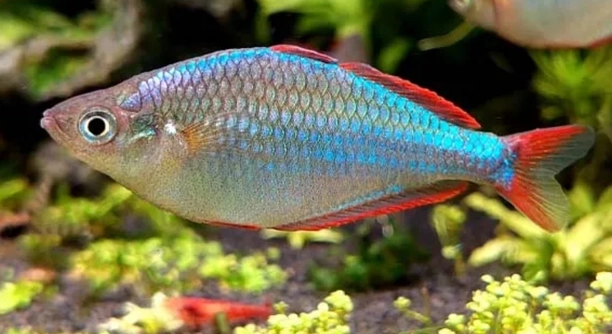
Rainbow fish are popular aquarium pets known for their bright colors and active nature. A common question many fish owners have is how to feed them properly. Understanding their feeding preferences can help ensure they stay healthy and thrive in your tank.
Rainbow fish generally prefer slow feeding over fast feeding. This allows them to digest their food properly and prevents overfeeding, which can lead to health issues like bloating or water pollution. Slower feeding mimics their natural feeding behavior.
By adjusting your feeding routine, you can maintain the overall well-being of your rainbow fish. Proper feeding habits will promote a happy, healthy environment for them to flourish.
Feeding Habits of Rainbow Fish
Rainbow fish are active swimmers that often search for food in their natural habitats. When kept in aquariums, it’s important to consider their feeding preferences. Unlike some fish that quickly gulp down their food, rainbow fish tend to eat slowly. This allows them to catch smaller bits of food throughout the day, which helps avoid overeating. Overfeeding can lead to health problems like bloating and poor water quality. Feeding them a little bit more slowly can mimic their natural feeding style, giving them time to digest their meals properly. It’s essential to avoid large amounts of food at once.
Feeding rainbow fish too quickly can disrupt their digestion, causing them to become sluggish. A steady, slow feeding schedule ensures that each fish gets its fair share.
Rainbow fish will thrive with proper feeding habits, just as they would in the wild. By feeding them slowly and in smaller portions, you reduce the risk of water contamination and create a better environment for your fish. Additionally, fish that eat too quickly may struggle with digestion, making it harder for them to absorb nutrients. Regularly monitoring the amount of food you give them will help keep the tank clean and your fish healthy.
How to Feed Rainbow Fish
To properly feed rainbow fish, break their meals into smaller portions. This ensures that they consume what they need without overloading the tank.
Feed rainbow fish two or three times a day, but keep the amount small each time. Small, slow portions mimic their feeding behaviors in the wild. The right balance of food will support their active nature without causing digestive stress. It is important to choose high-quality, varied foods that are appropriate for their size and species.
Signs Your Rainbow Fish Are Overfed
Overfeeding rainbow fish can lead to several issues. They may become lethargic, and you might notice uneaten food floating in the tank. If your fish are constantly bloated or appear sluggish, it’s a clear sign that they’re getting more food than they need. Poor water quality can also be a result of excess food.
Excess food decomposing in the tank will cause water pollution, leading to harmful spikes in ammonia and nitrates. This can stress the fish and may lead to health problems. Additionally, overfed fish might become overweight, affecting their movement and overall well-being. Keeping an eye on their behavior will help you detect overfeeding early and make adjustments to the feeding schedule.
The feeding frequency should be adjusted to meet their needs. Offering smaller portions and monitoring their eating habits will prevent overfeeding. Ensuring that all food is consumed within a few minutes also helps maintain water quality and the health of your fish. Rainbow fish do best with consistent, controlled feeding.
Importance of Proper Water Quality
Maintaining good water quality is essential for rainbow fish. Uneaten food left in the tank can pollute the water, creating an unhealthy environment for the fish. This can lead to an increase in harmful bacteria and algae, affecting the overall health of the tank.
To avoid water contamination, clean the tank regularly and remove any leftover food after feeding. Regular water changes will help keep the tank environment balanced. It’s also crucial to monitor ammonia, nitrite, and nitrate levels to prevent any dangerous spikes. Testing the water every week ensures the tank stays clean and the fish remain healthy.
Healthy water quality encourages healthy fish. When water is clean and balanced, the fish are less stressed and more active. Rainbow fish thrive in stable environments where the water is clear, oxygenated, and free from toxins. Regular care and attention will help them live a long, healthy life.
Feeding Rainbow Fish Types
Different types of rainbow fish may have slightly different feeding habits. For instance, some are more active hunters, while others are more opportunistic feeders. Knowing the specific needs of each type helps adjust feeding times and amounts for optimal health.
Some rainbow fish, like the Boesemani, are more aggressive eaters and may require more food or more frequent feedings. Meanwhile, others like the Australian rainbow fish may eat less often but in larger quantities. Tailoring your feeding strategy to their species ensures that each type gets the appropriate care and attention they need.
Feeding Time Tips
Set a consistent feeding schedule to avoid confusing your rainbow fish. This helps them understand when to expect food, making them more relaxed and eager to eat.
Feed them in the same spot each time to help them associate that area with feeding time. This also helps you monitor how much food is eaten and prevents overfeeding. Routine feeding will make them feel secure and more active in the tank.
FAQ
How often should I feed rainbow fish?
Rainbow fish should be fed two to three times a day. Offer small portions that can be consumed within a few minutes. It’s best to avoid overfeeding to prevent water pollution and health issues. Consistency is key, so try to feed them at the same times each day to help regulate their feeding habits. If you’re unsure, feeding them once in the morning and once in the evening is a good starting point. Monitor their eating habits and adjust the amount accordingly.
What kind of food should I feed my rainbow fish?
Rainbow fish eat a variety of foods, including high-quality flakes, pellets, and live or frozen foods like brine shrimp, daphnia, or bloodworms. You can also offer vegetable matter like spinach or zucchini. It’s important to provide a varied diet to ensure they get all the necessary nutrients. Mixing up their food will also keep them interested and encourage better feeding habits. Make sure the food is appropriate for the size of the fish and avoid offering food that’s too large for them to handle.
Can rainbow fish eat too much?
Yes, rainbow fish can eat too much, which can lead to bloating, sluggishness, and poor water quality. Overfeeding is a common problem for many aquarium owners. It’s crucial to only offer food that can be consumed within a few minutes. Leftover food should be removed after feeding to prevent it from decomposing and contaminating the tank. If you notice your fish becoming lethargic or bloated, you may be feeding them too much and need to adjust the amount or frequency of feedings.
What should I do if my rainbow fish aren’t eating?
If your rainbow fish aren’t eating, there could be several reasons for this. First, check the water quality, as poor water conditions can make fish less active and less interested in food. Also, ensure that the food being offered is fresh and appropriate for their species. If the food is old or inappropriate, they may refuse to eat. Stress from changes in the tank, overcrowding, or incompatible tank mates can also affect their appetite. If the issue persists, consider consulting a veterinarian to rule out any health problems.
Is it okay to feed rainbow fish a variety of foods?
Yes, feeding rainbow fish a variety of foods is a great way to ensure they get a balanced diet. A varied diet will provide them with the necessary vitamins, minerals, and protein they need to stay healthy. Offer a mix of flakes, pellets, and occasional live or frozen foods like worms and shrimp. Including vegetables like peas or spinach can also help with digestion. Just make sure not to overfeed, and remove any uneaten food to maintain good water quality in the tank.
How can I tell if my rainbow fish are getting enough food?
You can tell if your rainbow fish are getting enough food by observing their behavior. Healthy, well-fed fish will be active, swim freely, and show interest in food when it’s offered. If your fish appear underweight, have a sunken belly, or are less active than usual, they may not be getting enough food. On the other hand, if there’s always leftover food in the tank or your fish appear bloated, you’re probably overfeeding them. Adjust the feeding amounts based on their activity level and appearance to ensure they’re getting the right amount.
Should I feed rainbow fish after water changes?
It’s perfectly fine to feed your rainbow fish after a water change, as long as the water conditions are stable. Just make sure the water temperature and pH levels are within the appropriate range before feeding. After a water change, the fish may be more active and ready to eat. However, always test the water quality after performing a water change to ensure that it’s safe for feeding. If you’ve done a large water change, it’s a good idea to wait a few hours for the tank to settle before feeding.
How do I prevent water pollution from overfeeding?
To prevent water pollution from overfeeding, it’s essential to avoid offering too much food. A good rule is to feed only what the fish can consume in a few minutes. Any leftover food should be removed immediately. Additionally, regular water changes are important to keep the tank clean. Using a fishnet or siphon to remove excess food can help prevent it from decomposing and raising ammonia levels in the tank. Keeping the feeding routine consistent and monitoring water quality will also help prevent pollution.
Can rainbow fish eat plants in the tank?
Rainbow fish are generally not plant eaters, but they may nibble on soft plants or algae in the tank if they’re hungry or bored. However, they typically prefer protein-based food sources like worms, brine shrimp, and pellets. It’s best to provide them with a varied diet, so they’re less likely to damage live plants. If you have delicate plants in the tank, consider adding hardy species that can withstand occasional nibbling or using aquarium-safe plant supplements to promote plant health.
Do rainbow fish prefer eating at certain times of the day?
Rainbow fish tend to eat at regular intervals throughout the day. They are diurnal feeders, meaning they are most active during the day. Feeding them in the morning and evening is a good approach. They tend to be hungriest during these times and will actively seek out food. By offering smaller portions at these times, you can mimic their natural feeding behaviors and keep them healthy. Keeping a consistent feeding schedule will help your rainbow fish feel secure and establish a routine that works for both of you.
Final Thoughts
Rainbow fish are relatively easy to care for when you understand their feeding preferences. While they are active and colorful, feeding them the right amount and type of food is key to keeping them healthy. They generally prefer smaller meals over time rather than large, quick feedings. By offering them small portions a few times a day, you mimic their natural eating habits, which helps prevent digestive issues and maintains water quality. Remember, overfeeding can cause problems like bloating and dirty water, so always monitor how much your fish are eating and adjust as needed.
Maintaining good water quality is just as important as their feeding schedule. Uneaten food can quickly contaminate the water, leading to unhealthy tank conditions and stressing out your fish. Cleaning up leftover food after each feeding and performing regular water changes will keep their environment healthy and balanced. Regularly check the ammonia and nitrate levels to make sure the water stays clean and safe for your rainbow fish. When their environment is properly maintained, rainbow fish will be more active, healthier, and happier.
Feeding rainbow fish may seem like a small part of their care, but it plays a big role in their overall health. By offering a balanced diet with varied foods, you give them the nutrition they need to thrive. Always pay attention to their behavior to make sure they’re eating properly, and adjust their feeding habits based on what you observe. Healthy fish live longer, so with the right feeding routine and proper care, your rainbow fish can brighten your aquarium for years to come.

Hello,
If you enjoy the content that we create, please consider saying a "Thank You!" by leaving a tip.
Every little bit helps us continue crafting quality advice that supports the health, happiness, and well-being of pets around the world, for pets of all shapes, sizes, and species.
We really appreciate the kindness and support that you show us!