
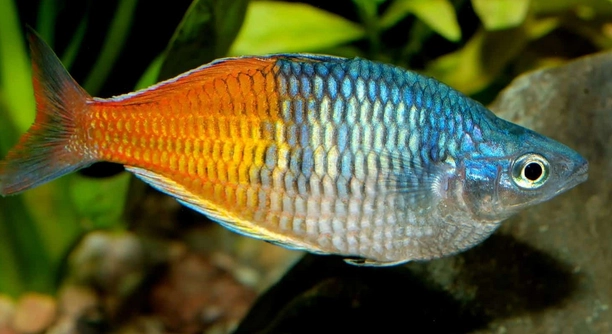
Rainbow fish are beautiful and vibrant creatures, but they can be sensitive to changes in their environment. Ensuring they settle quickly is essential for their health and happiness. These simple tricks can help make the transition smoother for your fish.
To help rainbow fish settle quickly, you need to focus on creating a stable and comfortable environment. Ensure the water conditions are optimal, provide hiding spots, and minimize stress factors. A gradual acclimation process also plays a key role in their well-being.
A few simple steps can ensure your rainbow fish adjust well to their new home, allowing them to thrive and enjoy their space. Understanding the best practices for their care can help ensure their quick adaptation.
Create the Right Environment
Rainbow fish thrive in stable, clean environments. The first step is to ensure the water conditions are just right. They prefer slightly acidic to neutral water with a temperature range between 74°F and 80°F. It’s important to keep the water clean with regular filtration and water changes. Ensure the tank is large enough to allow the fish space to swim comfortably—at least 20 gallons for a small group. Adding plants and rocks will help create hiding spots, making your fish feel safer and less stressed. A stable environment will help rainbow fish feel at ease faster.
Proper water filtration and maintenance are essential for the health of your fish. You may also want to consider a gentle filter, as rainbow fish can be sensitive to strong currents.
The right environment is crucial for a smooth transition. The fish will feel more secure in a tank that mirrors their natural habitat. Without frequent changes or stressors, they can quickly acclimate and feel at home. This reduces the risk of health issues and promotes their overall well-being.
Minimize Stress Factors
Stress is one of the biggest obstacles to helping rainbow fish settle in. Avoid overcrowding, as it can cause anxiety and aggression among the fish. Keep the tank in a quiet area, away from loud noises or sudden movements. Handling the tank too much can also add unnecessary stress. Make sure the lighting is not too harsh, as bright lights can be unsettling. By creating a calm, peaceful environment, your rainbow fish will have a better chance of adapting quickly.
Keeping their environment stress-free will significantly improve their transition time. This is one of the best ways to help them adjust.
Even small factors like temperature changes or water movement can trigger stress. Consistency is key. By ensuring they feel safe, you’re making it easier for them to settle into their new home. A calm, stable environment also improves their immune system, which makes them less susceptible to illness.
Gradual Acclimation
When introducing rainbow fish to a new tank, it’s important to acclimate them slowly. Start by floating the bag in the tank for 15-20 minutes. This helps adjust the temperature of the water. Afterward, open the bag and add small amounts of tank water every 5 minutes for about 30 minutes. This gradual process helps them adjust to the new water chemistry without shocking their systems. Once they’ve had time to acclimate, gently release them into the tank.
Acclimating your rainbow fish slowly can prevent sudden stress. It’s better to take the time and ensure a smooth transition than to rush the process.
A slow acclimation not only helps the fish adjust to the water but also gives them time to get used to the tank’s layout and environment. This will minimize the chances of them hiding too much or feeling overwhelmed. By avoiding rapid changes, they have the best chance to thrive in their new space. The more gradual the process, the easier it will be for them to settle in.
Offer Hiding Spots
Rainbow fish feel more secure when they have places to hide. Adding plants, caves, and other decorations in the tank provides them with spots to retreat to if they feel stressed. It’s also important to keep the layout varied, so they can explore and find new areas to swim. While rainbow fish tend to be social, they still need places where they can escape from potential threats. Providing hiding spots makes them feel safer and helps them adjust more quickly.
A variety of hiding spots is essential for your rainbow fish’s well-being. These areas give them the security they need to feel comfortable.
Hiding spots in the tank are especially important during the first few days. Even though rainbow fish are active, they can become shy or overwhelmed by their new surroundings. Providing these spaces allows them to adjust at their own pace. It’s also important to ensure these hiding spots are easily accessible and not too cramped, as fish need enough space to retreat and feel safe.
Maintain Stable Water Parameters
Keeping the water stable is crucial for rainbow fish. Regularly monitor the pH, temperature, and hardness of the water to ensure they stay within the ideal range. Sudden changes in these parameters can stress the fish, slowing down their adjustment. Keeping the water consistent allows the fish to feel secure.
Consistently stable water reduces the risk of health issues for rainbow fish. Make sure to check your tank regularly and adjust as needed.
It’s important to avoid sudden fluctuations in temperature or pH. Even small changes can cause discomfort and may lead to illness. Use reliable equipment like heaters and pH testers to keep things steady. This helps the fish adjust without experiencing unnecessary stress.
Provide Balanced Diet
A varied and balanced diet supports the health of rainbow fish. Offer a mix of high-quality flakes, pellets, and occasional live or frozen foods like brine shrimp or bloodworms. This ensures they receive all the essential nutrients they need. Feeding them properly encourages better immune function and helps with adjustment.
Feeding your rainbow fish a variety of foods will help them thrive. A proper diet ensures they are strong and healthy.
Healthy fish are more likely to adapt quickly. A nutritious diet provides the energy they need to explore their new environment and interact with other tank mates. Ensure you’re not overfeeding, as leftover food can pollute the water and cause stress.
FAQ
How long does it take for rainbow fish to settle in a new tank?
Rainbow fish typically take about 1-2 weeks to fully settle in after being introduced to a new tank. However, this can vary depending on the environment and the acclimation process. During this time, they may spend more time hiding or swimming cautiously. As they adjust to their new surroundings, they will become more active and confident. Keep the tank conditions stable and avoid making changes during this period to help them adapt faster.
Can rainbow fish live with other species?
Yes, rainbow fish are generally peaceful and can live with other species. They are known for their calm nature and usually get along with other non-aggressive fish. However, it’s important to choose tank mates that share similar water requirements. Avoid aggressive or territorial fish, as this can cause stress for the rainbow fish.
What should I do if my rainbow fish is not eating?
If your rainbow fish is not eating, there could be a few reasons. It could be due to stress from the new environment, water quality issues, or even the presence of aggressive tank mates. Make sure the water parameters are ideal and that the fish are acclimated properly. If the fish has not eaten for a few days, try offering different types of food like live or frozen food to entice them. If the issue persists, check for any signs of illness or consult an aquarium expert.
How do I know if my rainbow fish is stressed?
Signs of stress in rainbow fish can include hiding more than usual, reduced activity, loss of color, or erratic swimming behavior. Stress can also cause them to lose their appetite. Factors such as poor water quality, temperature fluctuations, or aggressive tank mates can contribute to stress. Observing their behavior closely will help you identify the issue early, so you can address it before it affects their health.
What is the best water temperature for rainbow fish?
Rainbow fish prefer a water temperature between 74°F and 80°F (23°C to 27°C). Keeping the water within this range is important for their health and activity levels. A stable temperature is crucial, so avoid any sudden changes. A reliable aquarium heater can help maintain a constant temperature and ensure your fish feel comfortable.
How do I help rainbow fish get along with each other?
Rainbow fish are social and generally do well in groups. To promote harmony among them, make sure they have enough space to swim. A tank with a minimum of 20 gallons will provide enough room for a small group of rainbow fish. Adding plants and decorations will also give them places to explore and reduce any territorial behavior. If any fish become overly aggressive, consider removing them to reduce stress in the tank.
Do rainbow fish need a lot of light?
Rainbow fish don’t need intense lighting but do enjoy a well-lit tank that mimics natural conditions. They thrive in moderate lighting that allows plants to grow and provides a sense of day and night cycles. Too much light can cause stress or algae growth, so it’s important to find a balance. A timer can help regulate light exposure and create a natural day/night rhythm for your fish.
What should I do if my rainbow fish has fin rot?
Fin rot is often a result of poor water quality or stress. If you notice signs of fin rot, such as frayed or discolored fins, immediately check the water conditions and do a water change. Ensure the temperature and pH are stable. You can treat fin rot with antibiotics, but it’s crucial to fix the underlying cause, such as improving the water quality or reducing stress factors.
Can rainbow fish survive in brackish water?
While most rainbow fish prefer freshwater, some species can tolerate slightly brackish water. However, it’s important to research the specific needs of the rainbow fish species you have. Adding salt to the water may help with certain health issues, but it’s not a general requirement. Freshwater is typically the best option for rainbow fish unless otherwise specified.
How often should I feed my rainbow fish?
Rainbow fish should be fed once or twice a day. Offer small amounts of food that they can consume in a few minutes to avoid overfeeding. A varied diet, including high-quality flakes, pellets, and occasional live or frozen food, will ensure they get all the necessary nutrients. Remove any uneaten food to prevent water contamination.
Why is my rainbow fish losing its color?
Rainbow fish may lose their color due to stress, poor water conditions, or illness. If your fish has lost its vibrant colors, first check the water quality and ensure the temperature and pH levels are stable. Stress from aggressive tank mates or sudden environmental changes can also cause color loss. If the problem persists, consider consulting a veterinarian for a proper diagnosis.
Are rainbow fish prone to any diseases?
Rainbow fish are generally hardy, but they can still be susceptible to common aquarium diseases like ich, fin rot, or dropsy. Maintaining good water quality, proper diet, and a stable environment will help prevent many health issues. If you notice unusual behavior or physical symptoms, prompt treatment is essential to avoid the spread of disease to other fish in the tank.
How can I breed rainbow fish?
Breeding rainbow fish requires specific conditions, including a breeding tank with soft, acidic water and a temperature range of about 78°F to 80°F. A pair or small group of rainbow fish should be kept together, with plenty of plants for the female to lay her eggs on. After spawning, remove the adults to prevent them from eating the eggs. The eggs will hatch within a few days, and the fry should be fed infusoria or finely crushed food.
Final Thoughts
Caring for rainbow fish involves providing a stable and comfortable environment where they can thrive. The most important things to focus on are water quality, temperature, and ensuring they have enough space to swim. Rainbow fish are social creatures and do well in groups, but they still need places to hide and relax. Giving them the right mix of food and maintaining a stress-free environment will help them settle in faster and live healthy lives. While they are hardy, they are also sensitive to changes, so consistency in their care is key.
Acclimating rainbow fish slowly to their new tank is also important. Rushing the process can cause unnecessary stress. Taking your time to gradually introduce them to their new environment will prevent shocks and help them adjust better. Once they are comfortable, rainbow fish will be active, colorful, and more likely to interact with each other and their surroundings. Regular water testing and proper maintenance, such as water changes and keeping the tank clean, will go a long way in maintaining their health and well-being.
Overall, with the right setup and care, rainbow fish are a rewarding addition to any aquarium. Their bright colors and lively personalities bring beauty to your tank. By following the simple tricks for helping them settle quickly, you can ensure that your rainbow fish live happy, healthy lives. Taking the time to understand their needs and providing a calm, stable environment is the best way to support their adjustment and long-term health. Keeping things consistent will make the process smoother for both you and your rainbow fish.

Hello,
If you enjoy the content that we create, please consider saying a "Thank You!" by leaving a tip.
Every little bit helps us continue crafting quality advice that supports the health, happiness, and well-being of pets around the world, for pets of all shapes, sizes, and species.
We really appreciate the kindness and support that you show us!