
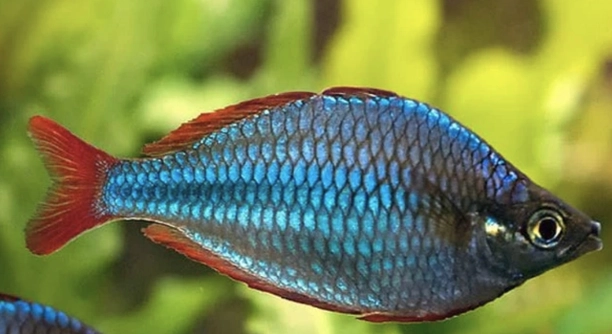
Moving your rainbow fish to a new tank can bring about noticeable changes in their behavior. This transition can be stressful for them and lead to different reactions. Understanding these behaviors helps ensure their well-being in their new environment.
Rainbow fish may exhibit several common behaviors after a tank move, such as hiding, increased aggression, or exploring the new space. Stress can lead to changes in their feeding patterns and overall activity. These reactions are typical as they adjust.
These changes are normal and understanding them can help you create a smoother transition for your fish. By monitoring their behavior, you can help them settle into their new home with less stress.
Common Behavioral Changes After a Tank Move
When rainbow fish are placed in a new tank, they can experience a variety of behaviors as they adapt to their new surroundings. It’s common for them to retreat into hiding spots or stay near the tank’s bottom, avoiding open spaces. This can be linked to the stress of the move and the unfamiliarity of the environment. As they become more comfortable, their activity levels typically increase, and they may begin exploring the tank.
Fish also have a tendency to become more aggressive during transitions, especially if other fish are present in the new tank. This aggression is often due to territorial disputes as the fish try to establish dominance in the unfamiliar space. Understanding this behavior can help reduce conflict and ensure a peaceful tank environment.
In some cases, rainbow fish may refuse to eat for a short period. Stress from the move can disrupt their feeding habits, but this behavior is temporary. Gradually, as they settle in, their feeding routines should return to normal, and they will begin to interact with their new environment more comfortably.
Why Fish Hide After a Move
Hiding is a natural response to stress. Rainbow fish often seek shelter when they feel overwhelmed or scared. This behavior helps them feel more secure during their adjustment period.
After a tank move, rainbow fish may seek refuge in plants, rocks, or other hiding places. They are simply trying to adjust and regain a sense of safety. It’s important to provide ample hiding spots in the new tank to make them feel more comfortable.
Increased Exploration Over Time
As rainbow fish settle into their new tank, they gradually begin to explore their environment. Initially, they may seem shy, staying in one area or hiding, but over time, their curiosity will lead them to venture out. Exploring allows them to get familiar with their surroundings and find areas that feel more comfortable. This process can take anywhere from a few days to a week, depending on the level of stress the fish experience.
Providing a well-decorated tank with a variety of objects such as plants, rocks, and open swimming spaces will encourage their exploration. Additionally, keeping the water quality in optimal condition can help reduce stress, making the transition easier for the fish. As they adjust, their natural swimming patterns will return, and you’ll notice them moving freely around the tank once again.
Aggression After a Move
Aggressive behavior is often seen when rainbow fish are introduced to a new tank. This usually happens as they try to assert their dominance in an unfamiliar environment. The stress of relocation can make them feel vulnerable, leading to territorial disputes.
Aggression is common when multiple fish are placed in a tank. They might chase each other, nip at fins, or show other signs of hostility. This behavior can be temporary, especially if the fish are getting used to each other’s presence. Giving each fish its own space can help reduce aggression and provide a calmer atmosphere.
As the fish adjust, their aggression typically decreases. Ensuring proper tank size, plenty of hiding spots, and adequate space for swimming can help alleviate territorial tensions. With time, the fish will become more comfortable and less likely to engage in aggressive behaviors.
Stress and Lack of Appetite
Stress can significantly impact the eating habits of rainbow fish after a tank move. They may temporarily lose interest in food, refusing to eat for a few days. This is a natural response to a change in environment and should not be cause for concern unless it lasts for an extended period.
The stress response can make them more cautious, avoiding food or any potential interactions with other fish. During this time, it’s important to monitor their condition closely. If they seem overly stressed, it might help to reduce the number of tank mates or offer different food options to tempt them.
It’s crucial to keep the tank conditions stable during this period, as fluctuating water temperature or poor water quality can add to their stress. Once the fish begin to adjust, their eating habits should return to normal, and they will start interacting more confidently with their surroundings.
Swimming Patterns After a Move
Rainbow fish often change their swimming patterns after a tank move. Initially, they may swim erratically or stay in one area. This behavior is due to their need to assess their new environment.
As the fish grow more accustomed to the tank, their swimming habits will stabilize. They may swim freely across the tank once they feel secure. Providing hiding spots and open spaces for swimming can help ease this transition and allow them to return to their usual patterns.
Color Changes in Response to Stress
Color changes are another common response to stress. Rainbow fish may lose some of their vibrant colors immediately after a move, signaling that they are feeling unsettled. The loss of color is usually temporary and often linked to stress or discomfort.
During this adjustment period, providing a calm environment with appropriate lighting and water conditions can help the fish regain their colors. As they relax and feel safe, their natural hues should return, which is a sign of their growing comfort in the new tank.
Changes in Social Interactions
After a move, rainbow fish may also alter their social behavior. They might become more withdrawn, avoiding interaction with other fish, or become overly curious and try to explore different territories. This change happens as they try to gauge their new environment and interactions.
Social dynamics can be impacted by the tank setup, the number of fish, and the amount of space available. It’s important to give them time to adjust to their new surroundings before expecting them to return to normal social patterns.
FAQ
How long does it take for rainbow fish to adjust after a move?
The adjustment period for rainbow fish typically ranges from a few days to a week. The exact time depends on factors like water quality, tank setup, and the fish’s level of stress. During this period, their behaviors may change as they acclimate to their new environment. While some fish adjust quickly, others may take a bit longer, especially if the move caused significant stress.
It’s important to monitor them closely during this time to ensure they are comfortable. If they are showing signs of prolonged stress or aggression, it might be necessary to tweak their environment, such as adjusting water parameters or adding more hiding spots. Patience is key during this period.
What should I do if my rainbow fish are hiding all the time?
If your rainbow fish are hiding frequently, it’s usually a sign of stress. After a move, it’s normal for them to seek shelter, but it shouldn’t last for an extended period. Start by checking the tank’s water parameters—temperature, pH, and ammonia levels—to ensure they are within the ideal range for rainbow fish. Poor water quality can cause stress and prolong hiding behavior.
You should also check the tank’s setup. If there are not enough hiding places, the fish might feel vulnerable and continue to hide. Adding plants, rocks, or other structures can give them the security they need. It’s also a good idea to give them time to settle in, as some fish take longer than others to feel comfortable.
Can rainbow fish become aggressive after moving to a new tank?
Yes, rainbow fish can display aggressive behavior after being moved. This aggression is typically due to stress, territorial instincts, or the need to establish dominance in a new space. It’s common when they are placed in a tank with other fish, especially if there is not enough space or hiding spots.
To reduce aggression, ensure that the tank is large enough for all the fish, and try to create separate areas for different fish. Adding decorations, plants, and rocks can help. If aggression persists, consider adding more hiding places to reduce territorial disputes, or adjusting the fish’s groupings.
Why aren’t my rainbow fish eating after the move?
It’s not uncommon for rainbow fish to lose their appetite after a tank move. Stress is often the main reason behind this behavior. New surroundings, changes in water conditions, and the presence of other fish can make them hesitant to eat. Usually, this loss of appetite is temporary and will improve once they start feeling more comfortable.
If your rainbow fish haven’t eaten for a few days, check the water parameters, as poor water quality can contribute to their refusal to eat. You can also try offering a variety of foods to entice them. Make sure there are no aggressive tank mates that may be scaring them away from the food.
Should I be concerned if my rainbow fish are swimming erratically?
Erratic swimming behavior is common in rainbow fish after a move. This can be caused by the stress of the transition, new tank conditions, or the fish simply trying to find their bearings in the new environment. Once the fish feel more secure, their swimming patterns should become more normal.
However, if erratic swimming continues for an extended period, it may be a sign of a problem with the water quality or a potential health issue. Be sure to check the water parameters and make any necessary adjustments. If the behavior doesn’t improve, it’s a good idea to consult with an aquarium professional to rule out any potential illness.
How can I help my rainbow fish recover from stress?
To help rainbow fish recover from stress, focus on maintaining a stable and healthy tank environment. Ensure the water parameters (temperature, pH, and ammonia levels) are within the ideal range for rainbow fish. Make sure the tank is clean, with proper filtration and regular water changes.
Adding plants, rocks, and other hiding spots can help the fish feel secure and reduce their stress. It’s also important to avoid sudden changes in the tank, as this can add to the stress. Be patient and give the fish time to adjust, as forcing them to interact or changing the tank too frequently can increase stress levels. Once they feel safe, their behavior will return to normal.
Why do rainbow fish lose their color after a move?
Rainbow fish may lose some of their vibrant colors after a move due to stress. Stress can cause their natural pigmentation to dull temporarily. This behavior is typical and not a cause for concern, as their colors should return once they feel comfortable in their new environment.
To help them regain their colors, ensure that the tank conditions are ideal, including stable water temperature and good filtration. Avoid overcrowding, as this can contribute to stress. As the fish adjust to their new surroundings, their colors will gradually become brighter, reflecting their improved comfort.
How can I reduce stress in rainbow fish after a tank move?
To reduce stress in rainbow fish after a move, focus on creating a peaceful and secure environment. Ensure that the water quality is optimal, and provide plenty of hiding spots and decorations, such as plants and rocks. This gives the fish areas where they can retreat if they feel threatened.
It’s also important to avoid making frequent changes to the tank during the adjustment period. This can prolong their stress and delay the adjustment process. Keep the tank lighting moderate and avoid sudden loud noises or disturbances around the tank. With time, the fish will become more comfortable and adjust to their new environment.
Final Thoughts
Rainbow fish are resilient creatures, but like any fish, they require time to adjust when moved to a new tank. While their behavior may change during this transition, such as swimming erratically or hiding more than usual, these are natural responses to their new environment. It’s important to give them the space and time they need to feel safe. Stress is a common issue after a tank move, but with proper care and patience, their behaviors will stabilize as they adjust.
Providing an optimal tank environment is key to helping rainbow fish recover and thrive after a move. This includes ensuring the water quality is within the right parameters, such as temperature, pH, and ammonia levels. A well-maintained tank with proper filtration will support their recovery. Adding plants, rocks, and hiding spots can also make the tank feel more secure, which will help reduce stress and encourage more natural behaviors. Additionally, it’s important not to overcrowd the tank, as this can cause additional stress and hinder the fish’s adjustment.
Remember, it’s normal for rainbow fish to show signs of stress, like loss of color or changes in social behavior, after a move. These changes are usually temporary and will resolve as they get used to their new surroundings. Keep a close eye on their health, and if you notice any unusual behavior that lasts too long, consider making adjustments to the tank setup or seeking advice from an aquarium professional. With proper care, rainbow fish will adapt to their new home and regain their vibrant colors and social behaviors.

Hello,
If you enjoy the content that we create, please consider saying a "Thank You!" by leaving a tip.
Every little bit helps us continue crafting quality advice that supports the health, happiness, and well-being of pets around the world, for pets of all shapes, sizes, and species.
We really appreciate the kindness and support that you show us!