
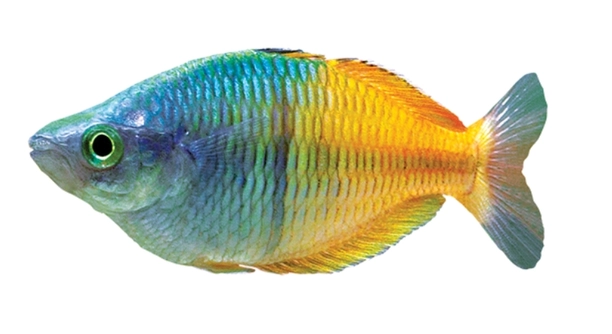
Rainbow fish are known for their vibrant colors and energetic swimming, but sometimes they can be seen huddling in one spot. This behavior can be puzzling to owners who wonder what might be causing it.
Rainbow fish huddle in one spot due to various factors such as stress, environmental changes, or the presence of other fish. Stress from poor water quality or overcrowding can lead them to seek a calm, stable area.
Understanding why rainbow fish exhibit this behavior can help create a more comfortable environment for them, promoting better health and happiness in your tank.
Common Causes of Huddling in Rainbow Fish
Rainbow fish are sensitive to changes in their environment, and any shift can lead to them huddling in one spot. Poor water quality, incorrect temperature, and high levels of ammonia or nitrate are all factors that can cause stress. If the water conditions are not ideal, the fish may retreat to a corner or less active area of the tank. Overcrowding is another major stress factor. When there are too many fish in a small space, it can lead to aggression or competition for food, causing the rainbow fish to seek shelter.
One important thing to check is the water temperature. If the water is too warm or too cold, it can cause discomfort. Ensuring that the water is kept at a consistent and optimal temperature for rainbow fish can help prevent huddling.
To maintain a healthy environment, regular water testing is essential. Maintaining proper filtration, adjusting water parameters, and ensuring enough space for your fish can help alleviate this behavior. With a stable and clean habitat, your fish should feel more secure.
The Impact of Tank Mates
Tank mates can have a significant influence on the behavior of rainbow fish. Some species may cause stress through territorial disputes, while others may simply be too aggressive. If your rainbow fish are huddling, it might be worth observing the other fish in the tank to see if they are causing tension.
Fish that are larger or more assertive can intimidate smaller rainbow fish, forcing them to hide. Rainbow fish are generally peaceful, but they can become more reserved or anxious when kept with overly dominant species. If aggression is observed, separating the fish may be necessary.
When adding new fish to your tank, it is vital to consider the temperament of both species. Mixing fish that are compatible will promote a more harmonious environment. A peaceful tank reduces stress and encourages natural behavior, ensuring your rainbow fish remain active and healthy.
Water Quality and Maintenance
Maintaining clean water is one of the most important aspects of a healthy fish tank. Poor water quality is a major stressor for rainbow fish and can lead to them huddling. Regular testing for ammonia, nitrites, and nitrates ensures that levels are safe.
Filtration plays a crucial role in maintaining clean water. A well-functioning filter helps remove toxins and debris from the tank. It’s important to clean the filter regularly and replace the filter media when necessary. Additionally, performing regular water changes is essential. Changing 10-20% of the water weekly can help reduce toxins and keep the environment stable.
In addition to water changes, monitoring the pH and hardness levels is crucial for rainbow fish. Sudden fluctuations in these parameters can stress the fish, leading them to hide. Stability is key. Using water conditioners can also help ensure the water is free from harmful chemicals. Keeping the tank clean and the water parameters stable will promote better health and reduce hiding behavior.
Temperature Fluctuations
Temperature fluctuations can cause significant stress for rainbow fish. They thrive in a stable range, typically between 72-79°F. If the water temperature drops or rises unexpectedly, they may huddle to find a stable area in the tank.
Using a reliable heater is essential to maintain the right temperature. The heater should be equipped with a thermostat to prevent drastic temperature changes. Ensure the heater is positioned correctly in the tank and monitored regularly to ensure consistent heat distribution. Avoid placing the tank in areas with frequent drafts or extreme temperature changes, as these conditions can stress the fish further.
If the water temperature consistently fluctuates, it could be a sign that the heater isn’t working properly. Regularly checking the water temperature with a thermometer will help ensure that the tank remains at a comfortable level for your rainbow fish. Keeping the temperature stable promotes better health and encourages active swimming.
Overcrowding in the Tank
Overcrowding can quickly lead to stress for rainbow fish. When there are too many fish in a tank, it limits space and resources. Fish may feel the need to hide or huddle to avoid competition for food or territory.
To prevent overcrowding, always follow the recommended stocking guidelines for your tank size. Ensure there’s plenty of swimming space and hiding spots. Avoid adding too many fish at once, as it can disrupt the tank’s balance. Proper stocking not only reduces stress but also promotes better water quality.
Insufficient Hiding Spots
Rainbow fish, though active, appreciate having some places to retreat when they feel threatened. Without adequate hiding spots, they may huddle together for comfort and security. Adding plants, rocks, or caves can provide a sense of safety.
A well-decorated tank with hiding spots promotes a peaceful environment where fish can feel secure. Overcrowding combined with a lack of hiding spaces can increase stress levels, leading to more time spent huddling. Be sure to consider the size of your fish when choosing hiding spots to ensure they fit comfortably.
Lighting Conditions
Lighting conditions in the tank can also play a role in rainbow fish behavior. Too much light can create a stressful environment, while insufficient light can make them feel unsafe. Finding a balance is crucial.
Adjust the light intensity to avoid startling or overwhelming the fish. You can use a timer to maintain a consistent day-night cycle. If you notice your rainbow fish huddling more frequently under bright lights, consider dimming them or providing more shaded areas in the tank. This balance supports a more relaxed atmosphere for your fish.
FAQ
Why do rainbow fish huddle together?
Rainbow fish huddle when they feel stressed, scared, or uncomfortable in their environment. Factors like poor water quality, high ammonia levels, overcrowding, or aggressive tank mates can cause them to seek shelter or stick together in one spot. They are naturally social but will huddle when there is a threat or stressor present.
How can I prevent my rainbow fish from huddling?
To prevent huddling, ensure your tank is well-maintained. Regular water changes, testing water parameters, and maintaining proper temperature and pH levels are key. Provide plenty of space, avoid overcrowding, and choose tank mates that are peaceful. Adding hiding spots like plants or rocks also helps them feel secure.
What tank conditions are ideal for rainbow fish?
Rainbow fish thrive in a tank with stable water conditions. They need a consistent temperature between 72-79°F, a pH level between 6.5-7.5, and low nitrate levels. A clean tank with proper filtration is essential for their well-being. Regular water changes and maintenance are crucial to maintain a healthy environment.
Can rainbow fish tolerate cold temperatures?
Rainbow fish are tropical species and cannot tolerate cold temperatures for long. They need a stable water temperature between 72-79°F. If the water drops below this range, the fish can become stressed, which might cause them to huddle. A reliable heater is essential to keep the temperature consistent.
How many rainbow fish can I keep in one tank?
The number of rainbow fish depends on the tank size. A general rule is one inch of fish per gallon of water. For a 20-gallon tank, you can safely keep around 6-8 rainbow fish, allowing them enough swimming space. Overcrowding can lead to stress, so it’s essential to avoid overcrowding.
Do rainbow fish need other fish to thrive?
Rainbow fish are peaceful and social. While they don’t need other fish to survive, they do better when kept with tank mates. They are happiest in a group of at least 4-5 of their own kind, but they can also be housed with other peaceful species. Avoid aggressive fish that may stress them.
Why is my rainbow fish hiding in one spot?
If your rainbow fish is hiding, it may be due to stress, illness, or environmental factors. Check the water quality, temperature, and the presence of any aggressive tank mates. Ensure there are adequate hiding spots and that the fish feels safe. Stress can cause fish to hide as a defense mechanism.
Can rainbow fish live with other species?
Rainbow fish can live with many other species, but it’s important to choose peaceful, non-territorial tank mates. Avoid aggressive fish or those that may compete for the same resources. Suitable tank mates include other non-aggressive species like tetras, guppies, and peaceful barbs. Always ensure that the tank is large enough for all inhabitants.
How often should I clean my rainbow fish tank?
Regular maintenance is important to keep the tank environment healthy. Perform partial water changes (10-20%) weekly to maintain water quality. Clean the filter every few weeks and remove any debris or uneaten food. A clean tank reduces the risk of disease and keeps the fish from becoming stressed.
Are rainbow fish prone to diseases?
Rainbow fish are generally healthy, but they can be prone to common aquarium diseases like fin rot, ich, and velvet if the tank is not well-maintained. Keeping the water clean, monitoring tank conditions, and ensuring good nutrition will help prevent illness. Always quarantine new fish before introducing them to your main tank.
Do rainbow fish require a lot of attention?
Rainbow fish are low-maintenance, but they still need a stable environment and routine care. Regular water changes, proper feeding, and monitoring the tank conditions are necessary. They don’t require constant attention, but they should be observed for signs of stress or illness.
What should I feed rainbow fish?
Rainbow fish are omnivores and should be fed a balanced diet of high-quality flakes, pellets, and occasional live or frozen foods like brine shrimp or daphnia. Feed small amounts once or twice a day to prevent overfeeding. A varied diet helps keep them healthy and active.
How do I know if my rainbow fish is stressed?
Signs of stress in rainbow fish include hiding, lethargy, reduced appetite, abnormal swimming, or huddling. If the fish appears pale, clamped fins, or has visible lesions, it may be stressed or ill. Monitor the tank conditions closely and address any issues that may be causing stress.
Why do my rainbow fish chase each other?
Rainbow fish may chase each other as a natural part of their behavior. This can be a display of territoriality, particularly among males. However, if the chasing becomes aggressive or persistent, it may indicate overcrowding, competition, or stress. Providing more space and hiding spots can reduce aggressive behavior.
Can rainbow fish live alone?
While rainbow fish can survive alone, they are social creatures that do better in groups. Keeping them with their own kind or with peaceful tank mates will encourage more natural behavior and reduce stress. A group of 4-5 rainbow fish is ideal for their well-being.
Do rainbow fish need a filter?
Yes, rainbow fish require a filter to maintain water quality. A filter helps remove toxins, debris, and excess nutrients from the tank. A properly functioning filter is crucial for keeping the water clean and the fish healthy. Ensure the filter is appropriate for the size of the tank.
How can I make my rainbow fish feel secure?
Rainbow fish will feel more secure in a well-maintained, spacious tank with plenty of hiding spots. Use plants, rocks, and caves to provide places to retreat when needed. Also, avoid sudden changes in water conditions, temperature, or lighting, as this can stress the fish and make them feel unsafe.
What temperature is best for rainbow fish?
Rainbow fish thrive in a temperature range of 72-79°F. It’s essential to maintain a stable temperature within this range to prevent stress. Sudden fluctuations in temperature can lead to illness or behavior changes. A reliable heater and thermometer can help maintain this optimal environment.
Can rainbow fish live in brackish water?
Rainbow fish prefer freshwater but can tolerate slightly brackish conditions. However, it is not ideal to keep them in brackish water long-term. If the salinity is too high, it can stress the fish and negatively affect their health. Always maintain proper freshwater conditions for their well-being.
How long do rainbow fish live?
Rainbow fish typically live 3-5 years in a well-maintained aquarium. Their lifespan depends on the quality of care, water conditions, and the absence of disease. Keeping their environment stable and providing proper nutrition can help them live longer, healthier lives.
Final Thoughts
Understanding why rainbow fish huddle in one spot can help you address any potential issues in their environment. Factors like stress, water quality, temperature, overcrowding, and lack of hiding spots all play a role in their behavior. By identifying and addressing these factors, you can create a more comfortable and healthy environment for your fish. A proper tank setup that includes adequate space, filtration, and hiding spots can significantly reduce stress and promote a more natural behavior.
Maintaining the right water parameters, such as temperature, pH, and ammonia levels, is crucial in keeping your rainbow fish healthy. Regular tank maintenance, like water changes and cleaning the filter, ensures a stable environment. Avoid overcrowding your tank, and always provide enough space for each fish to swim freely. Stress can lead to several health issues, so it’s important to manage your tank conditions carefully. Creating a peaceful environment with compatible tank mates can also help reduce aggressive behavior and improve the well-being of your rainbow fish.
In summary, preventing rainbow fish from huddling requires a combination of proper tank care, space, and attention to their specific needs. A stress-free and well-maintained tank leads to happier, healthier fish that are less likely to exhibit signs of distress. By providing the right conditions, you can ensure that your rainbow fish thrive and live comfortably in their aquatic home. Regular monitoring of water quality, along with careful stocking and habitat planning, will help you avoid the common problems that lead to fish huddling.

Hello,
If you enjoy the content that we create, please consider saying a "Thank You!" by leaving a tip.
Every little bit helps us continue crafting quality advice that supports the health, happiness, and well-being of pets around the world, for pets of all shapes, sizes, and species.
We really appreciate the kindness and support that you show us!