
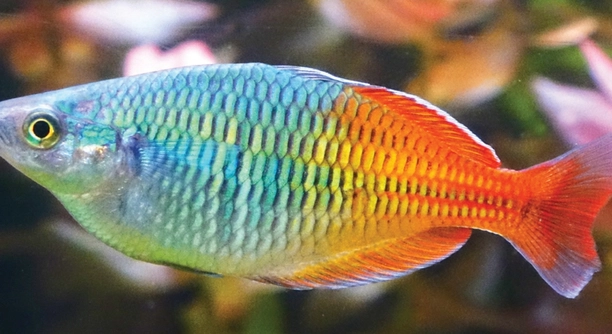
Rainbow fish are beautiful creatures that often seem to hang out by the thermometer in their tanks. Observing this behavior can raise curiosity about the reasons behind it. Understanding this behavior helps ensure they thrive in their environment.
The primary reason rainbow fish are drawn to the thermometer is the need for consistent water temperature. These fish are sensitive to temperature fluctuations, and they instinctively seek out stable areas where they can maintain their preferred range.
By understanding their temperature preferences, you can create a more comfortable habitat for your rainbow fish. Keeping their environment stable can lead to healthier and happier fish.
Why Do Rainbow Fish Prefer Warm Areas?
Rainbow fish naturally seek out places in their tank that offer a comfortable and stable temperature. As ectothermic creatures, their body temperature is influenced by the water around them. A thermometer, which reflects the water’s current state, often becomes a focal point for them. This behavior helps them regulate their internal temperature, especially when their surroundings may be fluctuating due to changes in the aquarium’s heating system or external factors.
When their environment is too cold or too warm, rainbow fish can become stressed, which affects their health and overall behavior. They are more likely to seek out spots in the tank where they can feel the most comfortable. This means they might gravitate towards the areas closest to heaters or thermostats. If they often swim near the thermometer, it’s a sign they are looking for more consistency in their temperature range.
Understanding this behavior is essential to ensure your rainbow fish have the optimal living conditions. A stable and warm environment will prevent unnecessary stress, contributing to a more active and healthy fish.
Ideal Temperature for Rainbow Fish
Rainbow fish thrive in water temperatures ranging from 72°F to 80°F. Consistency is key to maintaining their health.
Maintaining a steady water temperature is one of the most critical aspects of keeping rainbow fish in a healthy tank. Sudden drops or spikes in temperature can cause stress, weaken their immune system, and even lead to illness. This is why providing a reliable heater and monitoring the temperature regularly is essential. An aquarium thermometer placed near the fish’s favorite spots can help you track any fluctuations. It’s a good practice to adjust the water temperature gradually if changes are necessary. Drastic temperature shifts should be avoided, as they can cause discomfort or shock.
Over time, you’ll learn the ideal range that works best for your particular tank setup. This knowledge helps in preventing the thermometer from becoming an area of constant concern. Ensuring the environment is stable and within the right range is crucial for their well-being.
How to Maintain Stable Water Temperature
It’s important to monitor the temperature regularly. A good aquarium heater will help maintain a consistent environment. Place a thermometer at different spots in the tank to ensure even temperature distribution.
In addition to using a quality heater, ensure the aquarium is placed in an area where external temperature fluctuations won’t affect it. Avoid placing the tank near windows or vents, as drafts or sunlight can cause the water temperature to change rapidly. Consider using a tank cover to reduce heat loss during the night or colder months.
Using a reliable heater with an automatic shutoff feature is another way to prevent overheating. These devices adjust the temperature automatically, maintaining it within the ideal range. Regularly check the heater’s functioning and replace it if it shows signs of wear. Keeping the temperature stable helps rainbow fish thrive and reduces the risk of stress-related health issues.
The Importance of Temperature Gradients
In a well-maintained tank, rainbow fish benefit from slight temperature gradients, allowing them to move to different areas based on their needs. The ability to choose where they want to be can improve their overall health.
Creating a slight temperature gradient can be done by placing the heater at one end of the tank. This ensures that one part of the tank is warmer than the other, mimicking their natural habitat where they would often seek out different microclimates. This setup allows rainbow fish to move freely and regulate their body temperature by swimming to a warmer or cooler area as needed.
However, the difference in temperature should not be too extreme. A gradient of only 2-3°F is enough to provide them with options. Monitoring the temperature in different areas of the tank will help maintain the balance. By offering this variety, you help ensure that your rainbow fish are comfortable, healthy, and stress-free.
What Happens if the Temperature Fluctuates Too Much?
When the temperature fluctuates too much, rainbow fish can become stressed. This may lead to weakened immune systems and an increased risk of diseases. Constant changes in temperature prevent them from feeling secure in their environment.
Temperature instability can also cause your rainbow fish to stop eating or hide more often. They may even become less active, avoiding interaction with other fish or the aquarium environment. Over time, the stress from temperature changes can shorten their lifespan. It’s crucial to maintain a consistent, comfortable water temperature to avoid these problems.
How to Choose the Right Heater
Choosing the right heater is vital for keeping your aquarium’s temperature stable. Look for one with a reliable thermostat and automatic shutoff feature.
A good heater should be sized appropriately for your tank’s volume. Heaters come in different wattages, so it’s essential to match the wattage to the size of your aquarium. A heater that’s too small won’t heat the tank effectively, while one that’s too large could overheat the water. Make sure to position the heater near the water flow to ensure even temperature distribution.
Monitoring the Temperature Regularly
Regular monitoring is essential for maintaining a stable environment. Invest in a thermometer that provides accurate readings and check it daily.
By regularly checking the temperature, you can quickly spot any changes that may affect your fish. It’s important to monitor both the water temperature and the air temperature surrounding the tank. This will help you identify any potential issues before they become a problem, ensuring your rainbow fish remain in a healthy, stable environment.
FAQ
Why do rainbow fish stay near the thermometer?
Rainbow fish tend to stay near the thermometer because they are seeking a stable water temperature. These fish are sensitive to fluctuations in their environment and may swim towards areas that offer more consistency, especially if the water temperature is unstable.
How can I prevent temperature fluctuations in my aquarium?
To prevent temperature fluctuations, use a quality heater with a built-in thermostat to maintain a stable range. Avoid placing your tank near drafts, windows, or direct sunlight, as these can cause the water temperature to change quickly. Regularly check the water temperature with a thermometer to ensure it remains consistent.
What is the best water temperature for rainbow fish?
Rainbow fish thrive in water temperatures ranging from 72°F to 80°F. This range provides the ideal environment for their metabolic processes. Any significant deviation from this range can lead to stress or health issues, so it’s important to maintain a consistent temperature within this range.
Can rainbow fish tolerate sudden temperature changes?
Rainbow fish are not well-suited to sudden temperature changes. Rapid shifts can cause stress, weakening their immune system and making them more susceptible to disease. It’s crucial to avoid quick temperature adjustments and instead aim for gradual changes if necessary.
How do I know if the water temperature is too cold for rainbow fish?
If the water temperature is too cold for rainbow fish, they may become lethargic, stop eating, or move towards warmer areas of the tank. They might also start showing signs of stress, such as hiding more than usual. Keep an eye on their behavior and adjust the temperature if needed.
What happens if the water is too hot for rainbow fish?
If the water temperature is too hot for rainbow fish, they may swim erratically, gasp for air at the surface, or exhibit other signs of distress. High temperatures can reduce the amount of oxygen in the water, making it harder for the fish to breathe. In extreme cases, it can lead to death. Ensure that the water temperature stays within the recommended range.
How can I adjust the temperature in my tank if it’s too cold?
If the water is too cold, you can adjust the temperature by increasing the heater’s setting. It’s important to make changes gradually to avoid shocking the fish. If the heater is not powerful enough, consider upgrading to a higher wattage heater suitable for your tank size.
How can I adjust the temperature in my tank if it’s too hot?
If the water is too hot, the first step is to turn down the heater or unplug it temporarily. You can also add cool water gradually to lower the temperature. Be sure to monitor the temperature closely during this process to ensure it doesn’t drop too quickly.
Should I place a heater in a specific part of the tank?
Yes, it’s ideal to place the heater near the water flow to ensure even heat distribution. This helps prevent hot spots and allows the water temperature to remain consistent throughout the tank. Some people also place heaters at the opposite end of the aquarium from the filter intake for balanced heating.
How do I know if my heater is working properly?
To ensure your heater is working properly, check the water temperature with a thermometer regularly. If the temperature is consistently within the desired range, your heater is likely functioning well. If you notice sudden temperature drops or spikes, the heater may be malfunctioning and should be tested or replaced.
Do rainbow fish need a temperature gradient in their tank?
Yes, rainbow fish can benefit from a slight temperature gradient in their tank. A gradient allows the fish to move to different areas to regulate their body temperature. The difference in temperature should be small, around 2-3°F, to give the fish options without causing stress.
What should I do if my fish are still stressed despite a stable temperature?
If your rainbow fish are still stressed despite a stable temperature, consider other factors, such as water quality or tank mates. Stress can also result from poor water conditions, overcrowding, or aggressive behavior from other fish. Test your water for ammonia, nitrites, and nitrates to ensure it’s safe.
Can I use a thermostat with my heater to keep the temperature stable?
Yes, using a thermostat with your heater is a great way to maintain a stable temperature. Many modern heaters have built-in thermostats, but an additional one can provide extra security. A thermostat will automatically regulate the heater, preventing overheating and helping maintain the optimal temperature range.
What is the best type of thermometer for an aquarium?
The best type of thermometer for an aquarium is one that is accurate, easy to read, and can be placed in different locations of the tank. Digital thermometers are often recommended for their precision, but there are also reliable glass or stick-on thermometers. Choose the one that suits your preferences and tank setup.
Can rainbow fish live with other species in a tank with varying temperatures?
Rainbow fish can live with other species, but it’s important that all fish in the tank require similar water temperature ranges. If you keep fish that prefer different temperatures, it could lead to stress for some species. Research the temperature needs of all tank mates before adding them.
Is it necessary to have a backup heater for emergencies?
It’s always a good idea to have a backup heater for emergencies, especially if you live in an area with frequent power outages or temperature fluctuations. A spare heater can prevent your tank from becoming too cold if the primary heater stops working unexpectedly.
Final Thoughts
Maintaining the right temperature in your aquarium is essential for the health and well-being of your rainbow fish. These fish, like many others, thrive in stable environments where temperature fluctuations are kept to a minimum. When the water temperature is too cold or too hot, rainbow fish can experience stress, which can weaken their immune systems and make them more susceptible to diseases. Keeping their environment comfortable will not only promote their health but also ensure they live longer, happier lives.
Investing in the right equipment, such as a reliable heater with a thermostat and an accurate thermometer, is key to controlling the temperature of your tank. Regularly checking the water temperature is a simple task that can save you from dealing with major issues down the line. It’s also important to monitor any changes in your fish’s behavior, as they can often indicate when something is wrong with their environment. If you notice your rainbow fish acting sluggish or stressed, it might be time to take a closer look at the water temperature and adjust it accordingly.
In the end, understanding and maintaining a consistent temperature for your rainbow fish is a crucial part of their care. By paying attention to the details, like heater placement and regular monitoring, you can provide a safe and comfortable environment for them to thrive in. A little effort goes a long way in ensuring your rainbow fish stay healthy and active, enjoying their time in the tank. With the right care, your aquarium will become a peaceful, balanced home for these beautiful and vibrant fish.

Hello,
If you enjoy the content that we create, please consider saying a "Thank You!" by leaving a tip.
Every little bit helps us continue crafting quality advice that supports the health, happiness, and well-being of pets around the world, for pets of all shapes, sizes, and species.
We really appreciate the kindness and support that you show us!