
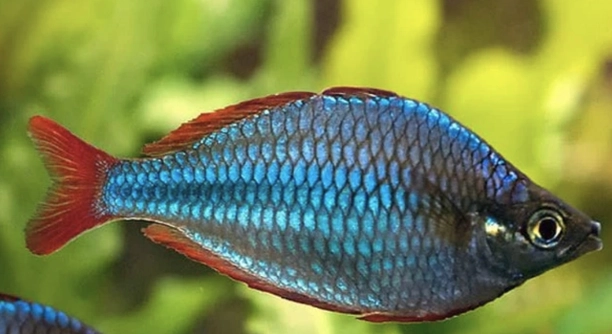
Rainbow fish are often known for their vibrant colors and playful behavior. However, if you’ve noticed that your rainbow fish is only active at night, you may be wondering why this happens. Understanding this behavior is important.
Rainbow fish are naturally nocturnal or crepuscular, meaning they are most active during dawn and dusk. This behavior is linked to their instinct to avoid predators and search for food in quieter, darker conditions when they feel safer.
Understanding these factors can help you adjust your tank setup and care routine to encourage a more active environment for your rainbow fish.
Why Rainbow Fish Are More Active at Night
Rainbow fish are naturally active during the evening and early morning hours. This is part of their instinctive behavior to stay safe and find food in a more relaxed environment. In the wild, they often live in areas where predators are less active during these times. This means they are free to swim, hunt, and socialize without the threat of being hunted. In captivity, this behavior can still be observed, especially if they are in a well-lit tank during the day. Rainbow fish have adapted to these patterns, making them naturally nocturnal creatures.
These fish tend to rest during the day, conserving energy for the more active nighttime period. In tanks with bright lighting, they may be less inclined to swim around and explore. A dimmer environment may encourage them to come out and become more active, creating a more natural setting for them to thrive.
Keeping their tank dark during the evening and offering a peaceful environment can help mimic these natural conditions. By doing so, your rainbow fish may become more lively and active at night.
Tank Lighting and Activity
Tank lighting plays a major role in influencing your rainbow fish’s behavior. Bright lights can make them feel more exposed, causing them to hide or reduce their movement.
To replicate the natural conditions that encourage activity, consider using a dimmer light in the evening or implementing a light cycle that simulates dawn and dusk. Gradually adjusting the tank’s lighting can help ease your fish into more natural rhythms, improving their overall health and activity levels.
Tank Environment and Stress Factors
Your rainbow fish’s environment can also influence their activity patterns. Stress from aggressive tankmates, loud noises, or sudden changes in temperature may make them more inclined to hide.
If your rainbow fish are surrounded by tankmates that stress them, they might stay inactive during the day and only move around at night when they feel safer. Maintaining a calm and stable tank environment with appropriate water conditions can reduce stress and encourage them to be more active during both day and night.
Ensuring that your rainbow fish have plenty of hiding spots and plants can also make them feel secure. These elements help them relax and feel more comfortable, allowing for more natural activity during the night, when they feel safe from potential threats.
Natural Behavior and Feeding Habits
Rainbow fish are often more active when hunting for food, and their natural feeding times tend to occur in the early morning or late evening.
To mimic their natural feeding patterns, it’s important to feed your rainbow fish during their most active hours. Offer food at dusk or dawn to encourage them to be active and engage in natural foraging behavior. This will help maintain their health and ensure that they get the nutrition they need at the right times. Feeding during the day, when they are more likely to be inactive, can lead to uneaten food, affecting water quality.
Tank Size and Space
The size of your tank can have a big impact on your rainbow fish’s activity levels. A small tank with limited space can make them feel cramped and stressed.
Providing ample swimming space allows rainbow fish to feel more comfortable, encouraging them to be active during both day and night. In smaller tanks, they may become less active overall, sticking to the bottom or hiding more.
Increasing the tank size or ensuring there are plenty of open areas for swimming can help reduce stress and promote more natural behavior.
Water Conditions and Temperature
Rainbow fish thrive in well-maintained water conditions. A stable water temperature, clean water, and proper filtration are essential for keeping them healthy and active.
Regularly checking the water parameters is important, as fluctuations in temperature or water quality can stress your fish and cause them to be less active. Make sure your tank’s temperature stays between 75-80°F (24-27°C) and that the water is properly filtered to remove toxins. This will help create a more comfortable environment for your fish to feel safe and active.
Choosing Compatible Tankmates
Tankmates can also influence your rainbow fish’s activity. Aggressive or overly dominant fish can cause stress, leading your rainbow fish to become more inactive.
Choosing peaceful tankmates ensures a harmonious environment. Fish like peaceful tetras or other non-aggressive species work well with rainbow fish, allowing them to swim freely and be more active throughout the day and night.
FAQ
Why are rainbow fish more active at night?
Rainbow fish are naturally more active during the evening or early morning due to their instinct to avoid predators. In the wild, they are often preyed upon by larger fish or birds during daylight hours, so they have adapted to being active when it’s darker and safer. By being more active during the night, they can feed, swim, and socialize without the risk of being hunted. This behavior is often seen in captivity as well, especially in tanks where the fish feel secure.
Can rainbow fish adapt to being active during the day?
Yes, rainbow fish can adapt to being more active during the day if their environment supports it. If you adjust their tank lighting or make sure they have enough hiding spots, they may become more active during the day. Reducing stress factors, such as loud noises or aggressive tankmates, will also help them feel comfortable being active throughout the day. However, their natural instinct is to be more active at night, so a dimmer environment might still be more conducive to their overall well-being.
How can I encourage my rainbow fish to be more active during the day?
To encourage more daytime activity, try mimicking a more natural light cycle. Gradually increase the amount of light in the tank during the day and dim it during the night. Avoid sudden changes, as this can stress your fish. Additionally, adding plants, rocks, or other decorations that create hiding spaces can help them feel safe. Feeding them during the day when they are more likely to be active is also a good way to get them moving and engaging in natural behavior.
Do rainbow fish need a specific type of tank setup to thrive?
Rainbow fish thrive in a tank that closely mimics their natural environment. They need plenty of open swimming space, as well as areas for hiding when they feel stressed. A well-planted tank with floating plants or decorations will provide them with the security they need while also giving them room to swim. Make sure the tank is properly filtered and that water conditions (temperature, pH, hardness) are within the recommended range for rainbow fish.
What temperature is ideal for rainbow fish?
Rainbow fish do best in water temperatures between 75-80°F (24-27°C). Keeping the water temperature within this range helps them feel comfortable and reduces stress. Temperature fluctuations can affect their behavior and overall health, so it’s important to maintain a stable environment. A reliable aquarium heater and thermometer are essential tools for keeping the tank at the right temperature.
Can rainbow fish live with other fish?
Rainbow fish are generally peaceful and can live with other species, but it’s important to choose compatible tankmates. They do well with peaceful species like tetras, rasboras, or corydoras catfish. Avoid aggressive or overly dominant fish, as these can stress your rainbow fish and disrupt their natural behavior. Always consider the size, temperament, and requirements of the other fish before adding them to the tank.
Do rainbow fish need special lighting?
Rainbow fish don’t require special lighting, but they do benefit from a light cycle that simulates natural day and night patterns. A 12-hour light cycle is typically ideal, with a period of darkness at night to allow them to rest. Bright lights during the day can stress them, so dimmer lighting can help make them feel more comfortable. Using a timer for consistent lighting can also help regulate their sleep patterns and overall behavior.
How often should I feed my rainbow fish?
Rainbow fish are omnivores, so a balanced diet is important for their health. They should be fed once or twice a day, with small amounts of food each time to avoid overfeeding. Offer a variety of foods, including high-quality flakes, pellets, and frozen or live foods like brine shrimp or daphnia. Ensure that all food is consumed within a few minutes to maintain water quality.
What are the signs of stress in rainbow fish?
Stress in rainbow fish can show up in various ways. They may become less active, hide more often, or display erratic swimming behavior. Their colors may also dull, and they may stop eating or become more aggressive toward tankmates. Environmental factors such as poor water quality, aggressive tankmates, or extreme temperature changes are common causes of stress in rainbow fish. If you notice these signs, it’s important to address the root cause quickly to avoid further health issues.
Can rainbow fish breed in captivity?
Yes, rainbow fish can breed in captivity, but certain conditions need to be met. They require a well-maintained tank with clean water, stable temperatures, and appropriate tankmates. Breeding typically occurs when they are given the right conditions, such as slightly warmer water, increased light, and a high-protein diet. Some species of rainbow fish may breed more easily than others, so research on the specific species you have can help with breeding success.
Final Thoughts
Rainbow fish are unique and fascinating creatures, and understanding their behavior can help ensure they thrive in your aquarium. These fish are naturally more active at night due to their instincts to avoid predators. In the wild, they tend to be more active during low-light conditions for safety. This behavior often continues in home aquariums, especially if they feel more secure at night. By providing a well-maintained tank with proper water conditions, peaceful tankmates, and plenty of hiding spaces, you can create an environment that makes your rainbow fish feel comfortable, leading to increased activity during both day and night.
However, it’s important to remember that rainbow fish may still prefer nighttime activity regardless of the changes you make. Their natural instincts are strong, and forcing them to be active during the day can cause stress if not done gradually and carefully. Keeping the tank lighting and environment in sync with their natural habits will help them adjust without feeling pressured. It’s also essential to monitor water quality, temperature, and tankmates to ensure they aren’t stressed by external factors. Rainbow fish are sensitive to poor conditions, and this can result in inactivity or health issues.
In conclusion, encouraging daytime activity in rainbow fish is possible, but it requires attention to their natural habits and needs. Maintaining a stable environment with proper tank size, water parameters, and compatible tankmates will promote their health and activity. Though they may always lean toward nighttime behavior, providing a balanced and secure environment will allow your rainbow fish to feel more comfortable and engaged throughout the day as well. With the right care, you can enjoy observing your rainbow fish’s vibrant colors and active movements at any time of the day.

Hello,
If you enjoy the content that we create, please consider saying a "Thank You!" by leaving a tip.
Every little bit helps us continue crafting quality advice that supports the health, happiness, and well-being of pets around the world, for pets of all shapes, sizes, and species.
We really appreciate the kindness and support that you show us!