
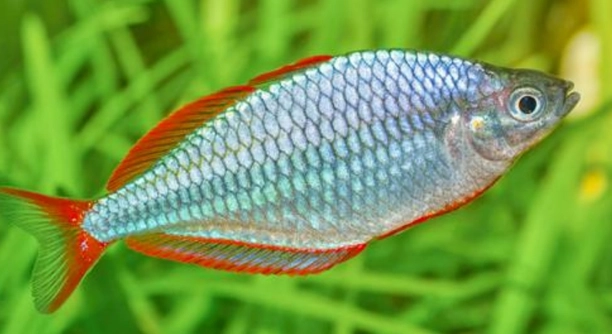
Rainbow fish can often be seen chasing the tank glass, an intriguing behavior that might leave you wondering about its causes. This action is common in many aquarium species, but understanding its triggers can help ensure a healthy environment for your fish.
Rainbow fish chase the tank glass primarily due to their natural instinct for territorial behavior or a reaction to reflections. They may perceive their own reflection as another fish, prompting them to display aggressive or competitive behavior in an attempt to establish dominance.
The reasons behind this behavior are influenced by several factors, including environmental stressors and the size of their tank. Addressing these issues can help manage this activity and create a better habitat for your fish.
Why Do Rainbow Fish Chase Reflections?
Rainbow fish chasing their reflection is a behavior that’s often misunderstood. In an aquarium, fish can become fixated on their own image, confusing it for another fish. This is especially common with species like rainbow fish, which are known for their vibrant colors and territorial instincts. In the wild, these fish are constantly navigating their environment, interacting with others, and establishing territories. When placed in a tank, they don’t always differentiate between real and reflected fish, leading to repetitive chasing and darting against the glass. While this behavior may seem harmless, it can cause stress to the fish if prolonged.
This fixation on reflections can also be triggered by the size and placement of the tank. If the tank is too small, the fish may feel confined, prompting more aggressive or territorial behavior. Additionally, brightly lit areas around the tank can cause reflections to be more visible, further fueling this behavior.
If you notice your rainbow fish constantly chasing their reflection, adjusting the tank environment can provide relief. Consider adding plants or decorations to break up the reflections and create a more natural habitat. Fish thrive in environments that resemble their natural habitat, and reducing artificial stimuli can ease stress.
How Lighting Affects Fish Behavior
Lighting plays a significant role in how rainbow fish react in their tank. Too much light can create strong reflections that make them think there is another fish nearby.
By adjusting the lighting in the tank, you can reduce this effect. Use softer, ambient lighting and avoid placing mirrors or reflective surfaces near the tank. With the right setup, the fish can feel more at ease and focus on other activities, such as foraging and swimming.
Tank Size and Space
A tank that’s too small for rainbow fish can lead to more frequent chasing. These fish are naturally active swimmers and need plenty of space to move around. When confined, they may mistake reflections for other fish, leading to territorial behavior.
Providing a tank that allows for adequate swimming space is key. A minimum of 30 gallons is recommended for a group of rainbow fish, giving them room to spread out and feel less stressed. Overcrowding or improper tank size can exacerbate the chasing behavior, as the fish try to claim territory.
Ensuring the right tank size also helps maintain water quality, reducing factors that contribute to stress. A larger tank creates a more stable environment, which leads to healthier fish and less erratic behavior. The extra space lets your fish behave naturally, without the constant agitation of chasing reflections.
Environmental Enrichment
Adding plants, decorations, or hiding spots can make a significant difference in how rainbow fish behave. When fish feel secure in their environment, they’re less likely to focus on their reflection.
Plants or decorations can mimic their natural habitat and provide areas to explore. Items like caves or driftwood give fish places to hide and establish territories. This reduces their need to chase reflections, as they can occupy themselves with more natural behaviors like foraging or interacting with the environment.
Providing enrichment can also lower stress levels. Stress is often a trigger for reflection-chasing, and a more stimulating environment keeps the fish engaged. Consider adding live plants to provide extra cover and improve water quality, creating a more comfortable atmosphere for your fish.
Fish Companions
Rainbow fish can become fixated on reflections when they feel isolated. Introducing compatible tank mates can reduce this behavior. Fish that share the same temperament and size help create a more relaxed environment, preventing loneliness.
By adding peaceful species, the rainbow fish are less likely to focus on reflections. Tank mates provide social interaction, which is essential for their mental well-being. The presence of other fish can offer distractions, helping to reduce aggression or territorial behavior that leads to chasing.
Water Conditions
Maintaining proper water conditions is essential for minimizing stress in rainbow fish. Poor water quality can make them more prone to fixating on reflections. Regular water changes and proper filtration are vital.
Keeping the water clean and at the right temperature supports healthy behavior. Rainbow fish thrive in slightly acidic to neutral water, with a temperature range of 72-78°F. Stable water conditions reduce stress and keep the fish calm. This allows them to focus on other activities and feel more secure in their tank.
Reflection Control
Limiting reflections around the tank helps manage chasing behavior. The key is to eliminate sources of light that bounce off the tank’s surface. Curtains or opaque films can reduce visibility, keeping the fish from becoming distracted.
FAQ
Why do rainbow fish chase the glass?
Rainbow fish chase the glass primarily due to reflections. They may perceive their own reflection as another fish, triggering territorial behavior. This is common in aquarium environments where fish are often surrounded by glass and reflective surfaces. The fish mistake the image for a rival, leading to chasing.
Can I stop my rainbow fish from chasing the glass?
Yes, you can reduce the chasing behavior by adjusting the tank’s environment. One of the most effective methods is to limit reflections. You can achieve this by using opaque materials or placing the tank in an area with minimal light reflection. Adding plants and decorations can also help distract the fish.
Does the size of the tank affect the chasing behavior?
Tank size plays a significant role in chasing behavior. Rainbow fish need ample space to swim, and if their tank is too small, they may feel confined and stressed. This stress can lead to reflection-chasing as they try to claim territory. Providing at least 30 gallons of water for a group of rainbow fish is recommended.
Do rainbow fish always chase reflections?
Rainbow fish do not always chase reflections, but it can become a common behavior if they feel stressed or crowded. In a well-maintained, spacious tank with proper lighting and plenty of environmental enrichment, they are less likely to engage in this behavior. However, when these conditions are not met, chasing reflections becomes more frequent.
How do I know if my rainbow fish is stressed?
Signs of stress in rainbow fish include erratic swimming patterns, chasing reflections, loss of color, or hiding. Stress can be caused by poor water conditions, inadequate tank size, or the presence of aggressive tank mates. Monitoring their behavior and the tank environment can help identify and address the root cause of stress.
Can rainbow fish live with other fish?
Rainbow fish can live peacefully with other species, as long as they share similar temperaments. They are social fish and prefer to be in groups. Tank mates should be non-aggressive and have similar size and water requirements. Avoid adding fish that might stress them or compete for the same space.
Do rainbow fish need a lot of plants?
While not strictly necessary, plants can help reduce reflection-chasing by offering hiding spots and natural distractions. Live plants improve the tank’s environment, providing shelter and helping with water quality. Rainbow fish appreciate having areas to explore and retreat to, which can also ease stress and reduce their focus on reflections.
How can I improve water conditions for rainbow fish?
To improve water conditions for rainbow fish, ensure proper filtration, regular water changes, and stable water temperatures. Rainbow fish prefer slightly acidic to neutral water (pH 6.5-7.5) and temperatures between 72-78°F. Use a reliable water test kit to monitor pH, ammonia, nitrite, and nitrate levels, keeping them within safe ranges.
Can I prevent rainbow fish from feeling lonely?
Rainbow fish are social creatures and thrive in groups. To prevent loneliness, it’s recommended to keep at least five to six rainbow fish together. A group will help them feel secure and reduce stress. When isolated, rainbow fish may focus more on their reflections, leading to unwanted behaviors.
What is the best lighting for rainbow fish?
Proper lighting is important for the overall health and behavior of rainbow fish. Bright lighting can cause strong reflections, triggering chasing. A moderate, soft light is ideal for creating a natural environment. Ensure the lighting mimics their natural habitat while avoiding excessive glare that could cause them to fixate on their reflections.
Final Thoughts
Understanding why rainbow fish chase the glass helps in creating a better environment for them. This behavior is often a response to reflections, where the fish mistake their image for another fish. It’s a natural instinct for them to establish territory, but in an aquarium, this instinct can lead to stress and constant chasing if the conditions aren’t right. This is particularly common in tanks that are too small or poorly lit. Identifying the root cause of the behavior allows you to address it effectively and improve the quality of life for your fish.
Managing factors like tank size, lighting, and environmental enrichment can make a significant difference. A spacious tank, with proper lighting, can reduce the likelihood of rainbow fish fixating on their reflections. Adding plants, decorations, and hiding spots not only provides a more natural habitat but also offers distractions that help ease stress. Ensuring the fish have enough space to swim freely is vital for reducing territorial behavior. Furthermore, maintaining clean water and a stable temperature creates an environment where the fish feel more secure, lowering the chances of reflection-chasing.
By making these changes, you’re not only improving your rainbow fish’s behavior but also ensuring their overall health and well-being. A tank that mimics their natural habitat, with appropriate tank mates and enriched surroundings, will lead to happier, less stressed fish. Paying attention to their needs and creating a stable, comfortable environment helps minimize unwanted behaviors and allows your rainbow fish to thrive in their home.

Hello,
If you enjoy the content that we create, please consider saying a "Thank You!" by leaving a tip.
Every little bit helps us continue crafting quality advice that supports the health, happiness, and well-being of pets around the world, for pets of all shapes, sizes, and species.
We really appreciate the kindness and support that you show us!