
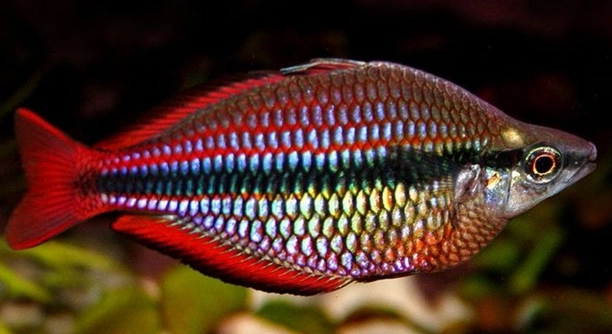
Rainbow fish are known for their bright colors, but do they prefer brighter or dimmer spaces in their habitat? Understanding how their environment affects their behavior can shed light on their needs and safety.
Rainbow fish often feel safer in dimly lit areas, as reduced lighting helps reduce stress. In natural settings, they seek refuge in shaded spots to avoid predators and establish secure territories, providing them with a sense of safety.
There are many factors that contribute to a rainbow fish’s comfort and well-being in their environment. Understanding these can help recreate an ideal habitat for them.
Understanding Rainbow Fish Behavior
Rainbow fish thrive in environments that offer safety and comfort. These fish naturally gravitate toward areas with lower light levels. This behavior is tied to their need to feel secure and reduce stress. In the wild, rainbow fish often seek refuge in shaded spots, where they can hide from potential predators. While they are not nocturnal, they prefer dimmer spaces as it offers them a chance to rest and feel more secure in their surroundings. In aquariums, it’s important to replicate these conditions to ensure the fish remain healthy and happy. Bright, direct lighting may cause anxiety and stress, affecting their overall health.
The right lighting, combined with plants and hiding spots, provides a balanced environment where rainbow fish feel at ease. This setup promotes their natural behaviors, such as schooling and foraging. Ensuring that these needs are met in an aquarium helps to create an atmosphere that mirrors their natural habitat.
To maintain a healthy tank for your rainbow fish, consider adjusting the lighting to a more subdued level. Providing plants and hiding spaces will also help them feel safe and less exposed.
Creating a Safe Environment
Dim spaces are vital to the well-being of rainbow fish. Creating an aquarium with low lighting can mimic their natural habitat. Adding plants and rocks for hiding spots further enhances their comfort. Rainbow fish feel less stressed when they have places to hide and explore.
A tank with too much light can disrupt their behavior and make them anxious. Many fish, including rainbow fish, feel more vulnerable in bright settings. Their instinct to stay hidden in shaded areas helps them avoid predators. To create an ideal environment, it’s essential to have the right mix of lighting and hiding places. Fish that feel safe are more active and display natural behaviors, contributing to a healthy aquarium.
Lighting and Stress Levels
Dim lighting reduces stress in rainbow fish by mimicking their natural environment. Bright lights can overstimulate them, leading to anxiety and disorientation. Ensuring that the tank has a gentle light source can help keep their stress levels in check.
Fish are highly sensitive to their surroundings, and changes in lighting can cause them to become unsettled. In their natural habitat, rainbow fish experience fluctuations in light, typically finding shaded areas for shelter. If the light in an aquarium is too intense, it may prevent them from resting properly, which can lead to stress-related behaviors like hiding or reduced activity. To create a comfortable environment, a light with a dim setting should be used, and gradual changes in light intensity will help maintain their comfort.
By using subdued lighting, rainbow fish are less likely to feel threatened. A dim tank allows them to feel secure and less exposed to potential threats. Fish that are at ease are more likely to display healthy behavior, which leads to a thriving aquarium environment.
Replicating Natural Habitat
To replicate a rainbow fish’s natural habitat, it’s crucial to provide more than just the right lighting. Aquariums should also include plants, rocks, and caves that offer hiding spots. This setup mimics the fish’s natural need for shelter, creating a secure environment.
Rainbow fish often inhabit areas with dense vegetation and submerged structures, which provide not only protection but also a safe place to rest. By introducing live plants and rocks into an aquarium, the fish will feel more at home. Plants can also help soften the light, reducing harsh shadows while improving the overall aesthetic. The more sheltered areas available, the more comfortable the fish will be. They will use these spaces to explore, forage, and rest without feeling exposed to potential danger.
Ensuring that plants and hiding spots are placed strategically within the tank allows the fish to feel protected. This type of environment encourages natural behaviors and provides an enriching experience for the fish. By mimicking their natural habitat, you can help maintain their well-being and foster a balanced aquarium ecosystem.
Fish Tank Maintenance
Maintaining a consistent environment is essential for rainbow fish. Regular water changes, proper filtration, and monitoring of water parameters can prevent stress. Keeping the tank clean and free from harmful chemicals ensures a stable space for your fish to thrive.
Rainbow fish are particularly sensitive to water quality. When tanks aren’t cleaned regularly or if water parameters fluctuate too much, it can cause the fish to become stressed. They may seek darker areas as a way to avoid discomfort. Keeping the water clean and free from toxins helps avoid this, ensuring your fish remain in a healthy environment.
A well-maintained tank also supports the health of any plants and decorations. Proper care ensures the fish have safe places to hide and rest. By regularly checking the tank’s condition, you’re giving your rainbow fish a better chance of thriving.
Temperature Considerations
Rainbow fish prefer stable temperatures. Large fluctuations in water temperature can cause stress and may result in illness. Maintaining a steady, moderate temperature between 72°F and 78°F will help them feel safe and comfortable.
Temperature stability is crucial for the well-being of rainbow fish. When temperatures rise or drop unexpectedly, fish can experience stress and be more susceptible to disease. Using a reliable heater and thermometer can help ensure the water remains at an appropriate temperature. Keeping the temperature consistent makes it easier for the fish to adjust, reducing stress and encouraging natural behaviors.
Behavior in Different Lighting Conditions
In a dimly lit tank, rainbow fish tend to show more natural behaviors. They feel secure, are more active, and interact more with their environment. When exposed to brighter light, they often retreat to shaded areas, which can lead to reduced activity and stress.
FAQ
Do rainbow fish prefer dim or bright light?
Rainbow fish prefer dim lighting over bright light. They feel more secure in shaded areas, similar to their natural habitat. Bright lighting can cause stress, making them retreat and reduce their overall activity. In the wild, they often seek cover in plants or other sheltered areas to avoid predators. In an aquarium, dim light helps them feel at ease and display natural behaviors like swimming and foraging. Too much light can overstimulate them and lead to anxiety.
How can I make my aquarium more comfortable for rainbow fish?
To make your aquarium more comfortable for rainbow fish, ensure it has subdued lighting, plenty of plants, and hiding spots. Plants can soften the light, reducing the intensity while offering places to hide. Rocks, caves, and other decorations can also provide secure spots where they can rest and feel protected. Keeping the water clean, maintaining proper temperature, and avoiding sudden changes in conditions will also support their well-being.
Do rainbow fish need plants in their tank?
Yes, plants are beneficial for rainbow fish. They mimic the shaded environments found in the wild and provide both shelter and places to explore. Plants also help soften the light, which reduces stress. Live plants can enhance water quality by absorbing excess nutrients, which can benefit both the fish and the overall health of the aquarium.
Can rainbow fish live with other species?
Rainbow fish are peaceful and can live with many other species, as long as the tank is not overcrowded. They thrive in community tanks with other peaceful fish like tetras, catfish, and gouramis. It’s essential to avoid aggressive species that may stress or harm the rainbow fish. Providing plenty of space and hiding spots can help ensure peaceful coexistence among different species.
How do I keep rainbow fish stress-free?
To keep rainbow fish stress-free, provide a stable and secure environment. Use subdued lighting, incorporate plants, and ensure the tank has hiding spots where they can retreat. Keep the water temperature stable, and avoid large fluctuations in water parameters like pH and hardness. Regular water changes and proper filtration are key to maintaining a healthy environment. Avoid aggressive tankmates and ensure the fish have enough space to swim and explore.
What is the ideal water temperature for rainbow fish?
The ideal water temperature for rainbow fish is between 72°F and 78°F. This range is comfortable for them and promotes healthy behavior. It’s important to maintain a stable temperature, as large fluctuations can stress the fish and make them more susceptible to illness. A reliable heater and thermometer are helpful tools to ensure the water stays within this range.
Can rainbow fish live in cold water?
Rainbow fish are not cold-water fish and need a moderate, warm temperature to thrive. While they can tolerate slightly cooler water, prolonged exposure to temperatures below 70°F can cause stress and weaken their immune system. To keep them healthy, maintain a temperature between 72°F and 78°F for optimal comfort and activity.
How often should I feed rainbow fish?
Rainbow fish should be fed once or twice a day, depending on their size and activity level. It’s important to offer a varied diet that includes high-quality flakes, pellets, and occasional live or frozen foods like brine shrimp or daphnia. Overfeeding can lead to water quality issues, so feed only what the fish can consume in a few minutes.
Do rainbow fish need a lot of space?
Rainbow fish are active swimmers and need ample space to move around. A minimum tank size of 30 gallons is recommended for a small group of rainbow fish. A larger tank is better if you plan to keep more fish or have other species in the tank. Overcrowding can cause stress and reduce the overall well-being of the fish.
What kind of water conditions do rainbow fish need?
Rainbow fish prefer neutral to slightly alkaline water, with a pH range of 7.0 to 8.0. The water should be soft to moderately hard. Regular testing of water parameters is essential to ensure stability. Avoid drastic changes in water chemistry, as this can cause stress and affect the health of the fish. Proper filtration and regular water changes will help maintain optimal water quality.
How can I tell if my rainbow fish are stressed?
Stressed rainbow fish may exhibit signs like hiding more than usual, reduced activity, faded colors, or erratic swimming. They may also have trouble schooling or seem disoriented. Stress can result from poor water conditions, aggressive tankmates, or unsuitable lighting. If you notice these signs, check the water parameters, lighting, and tank environment to identify potential stressors.
Can rainbow fish breed in an aquarium?
Yes, rainbow fish can breed in an aquarium. To encourage breeding, provide a separate breeding tank with slightly softer water, a temperature of about 76°F, and dim lighting. Male rainbow fish display vibrant colors to attract females. Once the eggs are laid, remove the parents to prevent them from eating the eggs. The eggs will hatch in about a week, and the fry can be fed fine foods like infusoria or newly hatched brine shrimp.
Are rainbow fish hardy?
Rainbow fish are generally hardy and adaptable, as long as their basic needs are met. They tolerate a range of water conditions, but they prefer stable environments. Consistent care, proper filtration, and water quality will help them thrive. However, sudden changes in water parameters or harsh conditions can cause stress, so it’s important to avoid these situations.
Final Thoughts
Rainbow fish thrive in environments that offer stability and comfort. They are peaceful, colorful creatures that benefit from a well-maintained tank with proper lighting, temperature, and water conditions. Providing plants and hiding spots can help reduce stress, allowing them to feel secure and act naturally. A stable environment with little fluctuation in temperature or water quality ensures they stay healthy and active. Regular maintenance, such as water changes and cleaning, is necessary for keeping them in optimal conditions.
While rainbow fish are hardy, they do need attention to detail in terms of tank setup and care. They prefer dim lighting and can become stressed with bright, harsh lighting. A mix of plants, rocks, and decorations can help soften the light and provide places for them to hide. Keeping their environment peaceful by avoiding aggressive tankmates also plays a significant role in their overall well-being. Overcrowding or introducing incompatible fish can lead to anxiety, making it harder for the rainbow fish to feel comfortable.
By creating a suitable tank environment and maintaining the right conditions, you can enjoy the beauty and behavior of rainbow fish. Their vibrant colors and active nature make them an exciting addition to any aquarium. While they require some effort to care for, their peaceful demeanor and resilience make them a rewarding fish to keep. Whether you’re a beginner or experienced aquarist, understanding their needs will ensure your rainbow fish stay healthy and happy for years to come.

Hello,
If you enjoy the content that we create, please consider saying a "Thank You!" by leaving a tip.
Every little bit helps us continue crafting quality advice that supports the health, happiness, and well-being of pets around the world, for pets of all shapes, sizes, and species.
We really appreciate the kindness and support that you show us!