
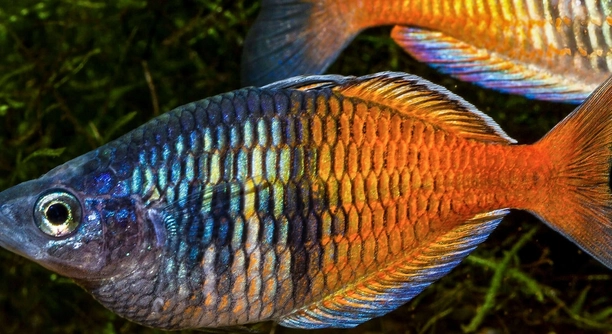
Rainbow fish are vibrant, fascinating creatures often kept in home aquariums. Understanding their behavior can help you provide a healthier, more enjoyable environment for them. Whether you’re a new aquarium owner or an experienced one, these tips are for you.
Rainbow fish are social and active, requiring sufficient space and companions to feel secure. They communicate through body language and behaviors, such as darting and schooling, which help reduce stress and establish social hierarchies within the tank.
By learning about their behaviors, you’ll be better equipped to care for your rainbow fish and keep them thriving.
Understanding Rainbow Fish Social Behavior
Rainbow fish are naturally social animals. They tend to feel more comfortable when they are not alone and do best in schools of five or more. Keeping a group of rainbow fish in your aquarium can help them establish a social structure and reduce stress. These fish often swim together, showing a strong preference for companionship. If your rainbow fish are solitary, they may appear stressed or more aggressive.
A key element in their social behavior is the need for space. When kept in tight quarters, rainbow fish may become territorial and show signs of aggression. Providing ample room for them to swim freely helps maintain their peaceful demeanor. In an aquarium, they may also form pecking orders, with the more dominant fish leading the group.
Maintaining harmony in your tank involves paying attention to both the number of fish and the size of the tank. A spacious aquarium with several rainbow fish is ideal for encouraging natural behaviors and fostering a sense of security. The social structure within the school can help minimize tension and promote healthier fish. Offering plenty of hiding spots and plants can also give them the sense of security they need, especially if they are feeling vulnerable.
Aggression and Territorial Behavior
Rainbow fish can display aggressive tendencies, especially if they feel their territory is threatened. When there isn’t enough space in the tank, they may chase each other or engage in fin nipping. These behaviors usually emerge as a way to establish dominance.
To prevent aggression, it’s important to ensure your aquarium is large enough and that you provide enough hiding spots for your fish. When rainbow fish feel threatened or crowded, they can act out, but they typically calm down when they feel secure in their environment. You can also balance aggression by introducing multiple fish at the same time to avoid territorial disputes over new fish.
How Rainbow Fish Interact with Each Other
Rainbow fish rely on body language to communicate. They swim in tight formations, which not only helps them feel safer but also establishes social connections. These interactions are key in understanding how they engage with their tank mates. Watching them can reveal a lot about their mood and environment.
They often display subtle signals such as flashing or swimming in different patterns when they feel threatened or excited. Dominant fish tend to swim ahead of the group, while submissive fish stay behind or dart to the side. These interactions are not just about hierarchy but also about maintaining group cohesion. In a well-maintained aquarium, these behaviors are natural and generally peaceful.
However, when there are too few fish or the space is limited, these behaviors can escalate into aggression. It’s important to maintain balance in both the number of fish and the tank size to allow for proper interactions. Without these conditions, the group dynamic can break down, causing unnecessary stress.
The Role of Tank Environment in Fish Behavior
The setup of your tank plays a major role in the behavior of rainbow fish. A well-designed aquarium that includes plenty of plants, rocks, and other hiding spots can help reduce stress and encourage more natural behaviors. These fish feel more secure when they can retreat to safe spaces if they need a break.
Additionally, the water conditions, such as temperature, pH level, and water flow, significantly impact how rainbow fish behave. If the water is too warm or too cold, they may become lethargic or more prone to aggression. Maintaining stable water quality will ensure that your fish remain active and healthy. A peaceful tank environment helps support both physical and behavioral health, allowing rainbow fish to thrive in a way that mimics their natural habitat.
Feeding and Rainbow Fish Behavior
Rainbow fish are active and require a varied diet to thrive. Their feeding behavior is linked to their activity levels, as they tend to be more energetic when well-fed. Observing their feeding habits can give you insight into their health and comfort level in the tank.
They typically feed by foraging at the water’s surface, darting towards food quickly. Offering a balanced diet of high-quality flakes, pellets, and live food helps them maintain their energy. Overfeeding or underfeeding can lead to poor health and undesirable behavior like aggression or lethargy. It’s important to avoid both extremes to keep your fish content.
How to Identify Stress in Rainbow Fish
Stress in rainbow fish can be noticeable through changes in behavior and appearance. They may become less active, lose their vibrant colors, or start hiding more frequently. These are all signs that something in the environment isn’t right, such as poor water quality or overcrowding.
If you notice these signs, it’s important to check the water parameters and adjust the tank setup as needed. Stress can lead to weakened immune systems, making the fish more vulnerable to illness. Addressing the underlying causes promptly will help your rainbow fish return to their normal behavior.
The Impact of Lighting on Rainbow Fish
Rainbow fish are sensitive to changes in light, and their behavior can be affected by the intensity and duration of lighting in the tank. Bright, constant light may cause them stress, while dim or fluctuating light can make them feel unsafe. A balanced lighting cycle is crucial for their well-being.
Final Thoughts
Rainbow fish are fascinating creatures that bring life and color to any aquarium. Understanding their behavior is crucial for creating a healthy and harmonious environment. These fish thrive in social groups, and providing enough space and companions will keep them comfortable and reduce stress. Maintaining good water quality, appropriate tank size, and suitable hiding spots is equally important to their overall well-being. A balanced environment promotes natural behaviors and ensures your rainbow fish remain healthy, active, and vibrant.
Feeding rainbow fish the right diet is essential for their energy and health. Overfeeding or underfeeding can result in unwanted behaviors and potential health problems. Providing a varied diet of high-quality flakes, pellets, and live food will encourage optimal growth and well-being. Consistency in their feeding schedule is also key, as it helps regulate their activity levels and reduce the chances of stress. Watching their feeding behaviors can also help you assess their comfort and health in the tank.
Finally, maintaining the right environmental conditions is vital. Proper lighting, water temperature, and filtration all play a role in ensuring rainbow fish feel secure and thrive. Their sensitivity to changes in these factors makes it necessary to pay attention to these details. By keeping the water quality in check and adjusting the lighting to mimic natural conditions, you can create a peaceful and thriving aquarium. With the right care and attention, your rainbow fish will display their best behaviors and continue to brighten your aquarium for years to come.

Hello,
If you enjoy the content that we create, please consider saying a "Thank You!" by leaving a tip.
Every little bit helps us continue crafting quality advice that supports the health, happiness, and well-being of pets around the world, for pets of all shapes, sizes, and species.
We really appreciate the kindness and support that you show us!