
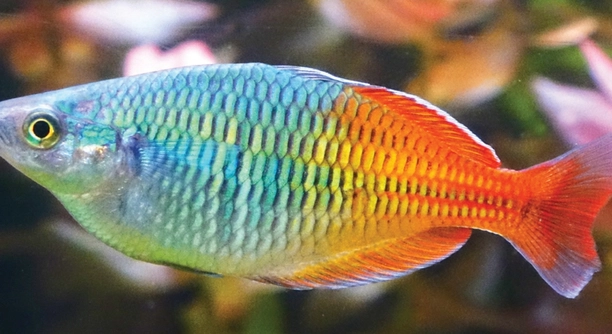
Rainbow fish are known for their vibrant colors and lively behavior. However, to truly thrive, they need more than just a well-maintained aquarium. These social fish have specific needs that are best met when they are kept in groups.
Rainbow fish require the presence of a school to promote their overall well-being. A school helps reduce stress, encourage natural behaviors, and improve social interaction, ultimately contributing to a longer, healthier life for these vibrant creatures.
Understanding why rainbow fish need a school can enhance your aquarium setup and create a thriving, stress-free environment for your fish. Keep reading to learn more about the importance of schooling for rainbow fish.
1. Why Schooling is Crucial for Rainbow Fish
Rainbow fish are naturally social creatures. They feel most comfortable and secure when surrounded by others of their kind. Keeping them in groups mimics their behavior in the wild, where they swim together for protection, companionship, and interaction. Without a school, rainbow fish can become stressed, leading to health issues and shorter lifespans.
The key to a rainbow fish’s health is the ability to interact socially with others. Being in a school reduces anxiety and encourages natural behavior. Without it, these fish might become shy or overly aggressive.
A school of rainbow fish creates a dynamic environment where each fish can interact, feed, and swim freely. This behavior supports their mental well-being, prevents isolation, and contributes to a better overall aquarium experience. In addition, a healthy school will also make the aquarium more visually striking, as the colorful fish move together in synchronized patterns. Their collective behavior is what brings out their full potential in terms of health and beauty.
2. How Schooling Affects Stress Levels
When rainbow fish are alone, they can feel vulnerable and stressed. This stress is not only harmful to their physical health but can also impact their immune systems.
Stress in rainbow fish can lead to various issues such as poor feeding habits, weakened immunity, and even early death. These fish thrive in a community setting, where they feel safer and less exposed to threats. Without a school, they are more likely to retreat to corners of the tank and avoid interaction with other fish.
Being part of a group helps rainbow fish manage stress by providing them with constant interaction and a sense of security. With a school, they feel less likely to be in danger, allowing them to focus on eating, growing, and displaying their beautiful colors. The presence of other rainbow fish helps keep their stress levels under control.
3. Encouraging Natural Behaviors
Rainbow fish naturally swim together in schools to avoid predators and find food. When kept in groups, they feel safer and more confident. This allows them to exhibit normal behavior such as foraging, exploring, and even courting each other during mating season.
Without the company of other rainbow fish, they may become timid, hiding most of the time. This behavior can cause them to miss out on natural interactions that are essential for their mental and physical health. In a group, they swim actively, search for food, and display their colors confidently.
Additionally, in a school, rainbow fish communicate and socialize, which is essential for their development. A group of rainbow fish will often follow the leader in the school, which helps them to maintain a sense of order and security. Their movements become more fluid and synchronized, showcasing their natural, instinctual behaviors in a way that can’t happen when they’re alone.
4. Enhancing Social Interaction
When rainbow fish are placed in groups, they engage in social interactions, making them feel more comfortable and less isolated. These interactions help them to establish hierarchies within the school, allowing for better group dynamics.
In the wild, rainbow fish live in schools where they develop relationships with others. This social behavior can improve their chances of survival by keeping them alert and responsive to any threats in their environment. When kept in an aquarium without the presence of others, rainbow fish can become overly cautious or aggressive due to a lack of social cues from fellow fish.
In a school, they are more likely to interact, exhibit less territorial behavior, and avoid constant stress. These interactions encourage peaceful coexistence, allowing rainbow fish to thrive. Socializing in groups ensures they feel safe and engaged, improving their overall health and longevity in the tank.
5. Promoting Physical Health
Rainbow fish thrive in a school due to the constant movement and activity. This helps them maintain a healthy level of exercise, which is vital for their physical health. A group encourages them to swim more, improving their fitness and circulation.
When rainbow fish are isolated, they may lack the motivation to stay active. Less movement can result in poor health, including weight loss and weakened immune systems. A school keeps them on the move, stimulating their muscles and organs, helping to maintain their physical well-being.
A healthy school also allows for better feeding behavior. Fish in groups tend to be more active when it comes to foraging for food, which further supports their overall health.
6. Improving Lifespan
Keeping rainbow fish in a school can extend their lifespan. Fish that live alone often experience higher levels of stress, which negatively affects their longevity. A school provides safety, security, and social engagement, all of which help them live longer, healthier lives.
Being part of a group allows them to lead a more natural lifestyle, and this contributes to a healthier immune system. Stress-induced conditions are less likely to develop when they feel safe and relaxed in a school.
Fish that thrive socially also tend to have fewer health problems over time, contributing to a longer life expectancy.
7. Creating a Stunning Aquarium Display
A school of rainbow fish creates a breathtaking display in any aquarium. Their colors shine brighter when they swim together, creating a beautiful, dynamic movement in the tank. The sight of a synchronized school brings life to the aquarium.
When kept alone, rainbow fish can appear dull or withdrawn. Their true vibrancy is often only revealed when they are in groups, where they swim together in harmony. Seeing them move as a group, flashing vibrant colors, can make any aquarium a more attractive and lively space.
FAQ
Do rainbow fish really need to be in a school?
Yes, rainbow fish need to be kept in schools to thrive. In the wild, they naturally live in groups, which helps them avoid predators and socialize. Without the company of other rainbow fish, they can become stressed, which may lead to health issues. Keeping them in groups helps maintain their mental and physical health, ensuring they remain active, healthy, and vibrant.
How many rainbow fish should be in a school?
For optimal health, it’s recommended to keep at least six to eight rainbow fish in a school. The more fish, the better, as it helps promote a healthy social environment. A group of this size ensures that they can form their natural social structure, reducing stress and encouraging positive behaviors. If possible, you could even increase the number of rainbow fish to create an even larger school for more social engagement.
Can rainbow fish live alone?
While rainbow fish can survive alone for a short period, they won’t thrive without company. Solitary fish may exhibit signs of stress, including hiding, poor feeding, and diminished activity. Rainbow fish are social animals, and keeping them alone can shorten their lifespan and negatively affect their overall well-being. They will flourish when in a group, where they feel secure and comfortable.
Can rainbow fish school with other types of fish?
Rainbow fish are peaceful and can coexist with many other species in a community tank. However, they will only school with other rainbow fish, not with different species. It’s important to create a balanced tank with compatible species that won’t disturb their schooling behavior. Other peaceful fish like tetras or guppies can be added, but they won’t form a school with the rainbow fish. It’s always best to focus on the social needs of rainbow fish when setting up a tank.
What happens if rainbow fish don’t have enough space?
If rainbow fish don’t have enough space, they may become stressed, which can lead to aggressive behavior, poor health, and even death. They need a tank large enough to accommodate their social needs and to allow for natural swimming behavior. A minimum of 30 gallons is recommended for a small school of rainbow fish, but a larger tank is preferable for better swimming space and to accommodate other species. Overcrowding can cause anxiety and territorial disputes, so it’s important to avoid it.
Do rainbow fish need specific water conditions?
Yes, rainbow fish do require specific water conditions to thrive. They prefer slightly acidic to neutral water with a temperature range between 72°F and 79°F. Maintaining clean water is essential, so regular water changes and a good filtration system are necessary. They also like soft to moderately hard water. Proper pH levels, temperature control, and clean water will help keep your rainbow fish happy and healthy.
Can rainbow fish breed in a community tank?
Rainbow fish can breed in a community tank, but it can be a bit more challenging. If you’re hoping to breed them, it’s ideal to have a separate breeding tank where they can feel more secure. In a community tank, other fish may interfere with the process or eat the eggs. To encourage breeding, make sure the water conditions are perfect, and offer plenty of plants or hiding spots for the eggs. However, many rainbow fish will still breed in a well-maintained community tank with the right conditions.
How can I tell if my rainbow fish are stressed?
Stressed rainbow fish may show signs like hiding, staying near the bottom or top of the tank, reduced appetite, or faded colors. They might also display aggressive behavior or show signs of disease. If you notice any of these behaviors, it’s important to assess the tank’s environment. Stress could be caused by poor water conditions, a lack of social interaction, or incompatible tankmates. Correcting the environment and providing a school of rainbow fish should help reduce stress levels.
What is the best tank size for rainbow fish?
Rainbow fish need plenty of space to swim, as they are active fish. A minimum of a 30-gallon tank is recommended for a small group, but larger tanks are even better. A 55-gallon tank or larger allows for more fish, better water quality, and greater freedom of movement. A spacious tank also reduces stress and helps maintain the overall health of the fish.
Do rainbow fish eat live plants?
Rainbow fish generally do not eat live plants, but they may nibble on soft-leaved plants if they are hungry or stressed. To keep plants safe, it’s best to choose hardy species with tougher leaves. The plants provide important hiding spots and a natural environment for rainbow fish, so it’s important to include them in their tank setup.
Can rainbow fish live with bettas?
Rainbow fish and bettas can live in the same tank under the right conditions, but care should be taken when choosing tankmates. Bettas, especially males, can be territorial and aggressive, while rainbow fish are peaceful. If they are kept together, ensure that the tank is large enough and that there are plenty of hiding spots to avoid conflicts. Adding a school of rainbow fish can help reduce any aggressive behavior from the betta by giving it a target to focus on, rather than just one fish.
How often should I feed rainbow fish?
Rainbow fish should be fed twice a day with a variety of high-quality food. This can include flakes, pellets, or live food such as brine shrimp or daphnia. Offering different types of food encourages them to stay active and engaged. Be sure not to overfeed, as this can lead to water quality issues. Remove any uneaten food to keep the tank clean.
What should I do if my rainbow fish are not eating?
If your rainbow fish are not eating, first check the water quality. Poor water conditions can cause fish to lose their appetite. Also, make sure the food is appropriate for rainbow fish and that it is fresh. If you are keeping your fish in a group, make sure the other fish are not bullying or outcompeting them for food. If the issue persists, consult a veterinarian to rule out any health concerns.
Can rainbow fish survive in cold water?
Rainbow fish are tropical fish and need warm water to survive. They prefer temperatures between 72°F and 79°F. Cold water can stress them and lead to weakened immune systems. If your tank’s temperature drops too low, you’ll need to use a heater to keep them comfortable and healthy.
Final Thoughts
Rainbow fish are beautiful, active, and social creatures that thrive best when kept in groups. Their natural instincts and behaviors are supported by the presence of other rainbow fish, which helps them feel safe and secure. Keeping them in schools not only benefits their mental health but also their physical well-being. A group allows these fish to swim freely, interact with one another, and engage in the behaviors that they would in the wild, leading to a more vibrant and active tank.
When kept alone, rainbow fish can become stressed, leading to health issues and a shorter lifespan. Socializing with other rainbow fish helps reduce stress and promotes natural activities like foraging, mating, and exploring. The bright, colorful appearance of rainbow fish is even more striking when they are in schools, as their synchronized movements create an eye-catching display. This social environment also encourages better feeding habits and helps the fish stay active, leading to improved health and longevity.
In addition to providing the right environment, it’s important to ensure that the tank is properly maintained, with the correct water conditions and plenty of space. Overcrowding or poor water quality can cause stress, so it’s essential to make sure the tank meets the needs of the fish. Rainbow fish are peaceful and can coexist with other species, but they should always be kept in groups of their own kind for optimal health. By following these guidelines, you can ensure that your rainbow fish remain happy, healthy, and vibrant in their home.

Hello,
If you enjoy the content that we create, please consider saying a "Thank You!" by leaving a tip.
Every little bit helps us continue crafting quality advice that supports the health, happiness, and well-being of pets around the world, for pets of all shapes, sizes, and species.
We really appreciate the kindness and support that you show us!