
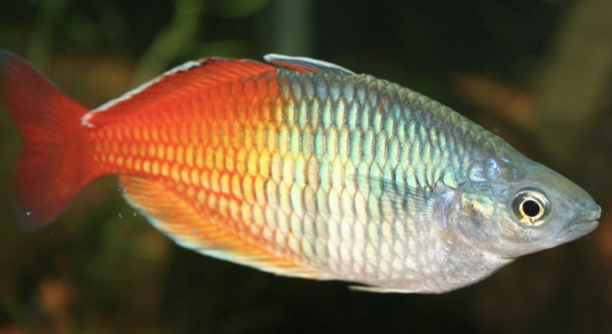
Are your rainbow fish always hiding together instead of swimming freely around the tank like you expected when you brought them home? It can be confusing when their behavior doesn’t match their colorful personalities and active nature.
Rainbow fish often hide together due to stress caused by environmental factors such as poor water quality, aggressive tank mates, or inadequate tank setup. These stressors can make them feel unsafe, prompting them to cluster and seek shelter.
Understanding what causes this behavior can help you create a more comfortable space for your fish and encourage them to be more active.
Common Reasons Rainbow Fish Hide
Rainbow fish may begin hiding due to stress, environmental changes, or unsuitable tank mates. These fish are naturally social and active, so a sudden shift in behavior often points to discomfort in their habitat. Poor water conditions, such as high ammonia or nitrate levels, can lead to stress. If the tank lacks proper hiding spaces, plants, or decorations, they may feel exposed and vulnerable. Additionally, bright lights or loud noises near the tank may cause them to retreat. Rainbow fish also react to bullying from more aggressive tank mates, which can push them into corners or behind plants.
Keeping your rainbow fish calm and visible depends on stability and comfort in their environment.
Check your water parameters regularly, and consider the temperament of all fish in your tank. Changes in decor, lighting, or population can help reduce stress and create a space where your rainbow fish feel secure and more likely to explore.
How to Help Them Feel Safe
Making small changes in the tank setup can improve your rainbow fish’s confidence and encourage them to swim more freely.
Start by checking the basics—temperature, pH, ammonia, and nitrate levels should stay within the recommended range. Clean water is essential, so maintain a regular schedule for water changes. Provide plenty of cover using plants, rocks, and decorations. These elements help your fish feel sheltered without causing them to isolate completely. Choose calm tank mates with similar behavior and avoid those known for being overly dominant or territorial. Bright lights can be overwhelming, so consider dimming the lighting or adding floating plants to diffuse the brightness. Once the fish feel secure and less threatened, they will start to swim more openly. You may notice them forming loose groups, exploring the tank, and showing off their natural colors. Keeping things consistent and calm goes a long way in helping rainbow fish thrive in your aquarium.
Signs Your Rainbow Fish Are Stressed
Stressed rainbow fish tend to stay in one area, usually in corners or behind objects, and avoid other fish. Their colors may fade, and their appetite can drop noticeably, leading to further weakness or illness if left unaddressed.
If you notice your rainbow fish constantly hiding, breathing heavily, or swimming erratically, stress is likely the cause. These changes in behavior are often tied to water issues or bullying in the tank. Another red flag is if they stop eating, which usually signals something is off in their environment. Watch for clamped fins, rapid gill movement, or sudden darting—these are physical signs that shouldn’t be ignored. Regularly checking their behavior during feeding time and throughout the day can help you spot stress early and respond quickly to prevent long-term problems.
Addressing stress early helps avoid health problems like fin rot or ich. When left unchecked, stress weakens their immune system, making them more prone to disease. Over time, this can lead to lasting behavioral changes and a loss of color or social interaction. Keeping a stable, quiet environment and watching for the subtle shifts in their actions helps maintain their health. Preventing stress is easier than treating the consequences, especially in a small community tank.
Choosing the Right Tank Mates
Rainbow fish do best with peaceful, active tank mates that won’t chase or intimidate them. Avoid slow-moving or long-finned fish, which may become targets or disrupt the tank’s energy balance. Stick to similar-sized, non-aggressive species.
Compatible tank mates include species like danios, rasboras, and other peaceful schooling fish. These fish share similar swimming patterns and won’t provoke stress or competition. Avoid fin-nippers like tiger barbs or aggressive fish such as cichlids. If adding new fish, do so gradually and monitor behavior closely. A crowded tank can create tension, even among peaceful species. Providing enough space and hiding spots ensures all fish have room to establish their own territory. Balanced groups allow rainbow fish to swim freely and interact without fear. A calm and stable social setting is key for their confidence and long-term health.
Creating a Comfortable Environment
Add plenty of live or artificial plants, rocks, and decorations to help rainbow fish feel secure. These give them safe places to rest and reduce the need to group tightly in fear or stress.
Keep the tank in a quiet location, away from loud noises or constant foot traffic. Sudden movement or sound can startle fish and cause hiding behavior to increase.
When to Adjust the Tank Setup
If your rainbow fish continue hiding after other causes are ruled out, it might be time to change the layout. Move plants or decorations to give them more space to swim freely while still providing shelter. Avoid overcrowding, as too many fish can increase tension and competition for territory. Evaluate filtration and lighting—strong currents or overly bright lights may make them uncomfortable. Adjust flow direction and reduce brightness if needed. Rearranging decor can also reset territorial behaviors in other fish, giving your rainbow fish a fresh start. Small changes often make a big difference in how safe they feel and how they behave.
Monitoring Their Behavior
Keep a close eye on how often your rainbow fish hide and when it happens. Noticing patterns helps you identify what needs adjusting.
FAQ
Why do my rainbow fish hide together?
Rainbow fish often hide together as a reaction to stress, feeling threatened or uncomfortable in their environment. This behavior can be triggered by factors like poor water quality, unsuitable tank mates, or inadequate hiding spaces. When they feel insecure, they gather in a corner or behind decorations for protection. It’s important to evaluate the tank setup, water parameters, and the fish’s social environment to reduce stressors and help them feel safe.
How can I reduce stress in my rainbow fish?
To reduce stress in rainbow fish, ensure that the water parameters are within the appropriate range. Regular water changes, proper filtration, and monitoring ammonia, nitrate, and pH levels are key. A quiet, stable environment with dimmed lighting and peaceful tank mates also helps. Providing plants, rocks, and hiding spaces offers them security and reduces the feeling of exposure. Keeping the tank calm and stable is crucial to their overall well-being.
Are rainbow fish social?
Yes, rainbow fish are social creatures that enjoy being in groups. They are naturally active and thrive in schools with several other rainbow fish. Keeping them in a group helps them feel safe and secure, reducing stress. When they are alone or in pairs, they are more likely to hide and exhibit timid behavior.
How can I improve the tank environment for my rainbow fish?
To improve the tank environment, ensure that it mimics their natural habitat. Provide a well-planted tank with hiding spots such as rocks or driftwood. These elements give your rainbow fish a sense of security. Maintain clean, well-filtered water with stable temperature and pH levels. Avoid overcrowding the tank, as it can increase competition and stress.
What temperature do rainbow fish need?
Rainbow fish prefer warm water, with a temperature range between 72°F to 80°F (22°C to 27°C). Maintaining this stable range is important for their health and activity level. Sudden fluctuations in temperature can cause stress and even illness. Use a reliable aquarium heater to maintain consistency in their environment.
Do rainbow fish need a specific pH level?
Rainbow fish thrive in a slightly acidic to neutral pH, with a range of 6.5 to 7.5. A stable pH level within this range helps them stay healthy and active. It’s important to test your water regularly, as imbalanced pH levels can cause stress and make them more vulnerable to disease.
Can rainbow fish live with other fish?
Yes, rainbow fish can live with many other peaceful species. They do well with fish of similar size and temperament, like rasboras, danios, or tetras. However, they should be kept with fish that are not overly aggressive or territorial. Avoid keeping them with fin-nipping species or aggressive fish like cichlids.
How often should I feed my rainbow fish?
Rainbow fish should be fed small amounts of food two to three times per day. They are omnivorous and enjoy a varied diet of flakes, pellets, and occasional live or frozen food. Overfeeding can lead to water quality issues and health problems, so only provide what they can consume in a few minutes.
Why are my rainbow fish losing their color?
Loss of color in rainbow fish can be caused by stress, poor water conditions, or inadequate lighting. When they are stressed, their colors may fade as a sign of distress. It’s important to monitor water quality, maintain a stable environment, and avoid tank mates that may cause bullying.
Can I keep rainbow fish with shrimp?
Yes, rainbow fish can typically be kept with shrimp, as long as the shrimp are large enough not to be eaten. Be sure to choose species that are peaceful and not too small. Keep an eye on interactions, as larger rainbow fish may nip at or chase smaller shrimp.
What is the lifespan of rainbow fish?
Rainbow fish typically live between 5 and 8 years in a well-maintained tank. Proper care, including regular water changes, stable temperature, and a balanced diet, can help them reach their full lifespan. Avoid stress and keep them in a peaceful, secure environment to ensure they thrive for years.
Why are my rainbow fish not eating?
If your rainbow fish stop eating, it could be a sign of stress, illness, or poor water quality. Check the water parameters, including temperature, pH, and ammonia levels. Stress from aggressive tank mates or environmental changes can also affect their appetite. If they refuse to eat for an extended period, consult an aquarium professional to rule out any underlying health issues.
Can rainbow fish breed in a community tank?
Yes, rainbow fish can breed in a community tank, but they may need specific conditions. To encourage breeding, ensure the water temperature is slightly higher (around 78°F or 25°C), and provide plenty of plants for the fish to spawn in. Males may display more vibrant colors during breeding. However, breeding may not be successful if there are aggressive tank mates or if the tank is too crowded.
What are the signs of illness in rainbow fish?
Signs of illness in rainbow fish include fading colors, loss of appetite, unusual swimming patterns, clamped fins, and rapid gill movement. Skin lesions, swelling, or visible white spots may indicate parasitic or bacterial infections. If any of these signs are present, test the water quality and isolate sick fish to prevent further spread. Regular water maintenance and a healthy diet help prevent most illnesses.
How can I prevent disease in my rainbow fish?
Prevent disease by maintaining good water quality, keeping the tank clean, and avoiding overcrowding. Regularly test the water parameters, ensure a proper filtration system, and perform routine water changes. Quarantine new fish before adding them to the tank to prevent introducing any potential illnesses. Proper diet and stress-free environments are also essential in maintaining the fish’s immune system.
Final Thoughts
Understanding why your rainbow fish may be hiding together is essential for providing them with a healthier and more comfortable environment. These fish are generally active and social, but they will seek safety when they feel threatened or stressed. By ensuring your tank has proper water conditions, appropriate tank mates, and enough hiding spots, you can help reduce the factors that lead to this behavior. Simple adjustments to their habitat, like reducing stress and improving water quality, can make a noticeable difference in their comfort levels and overall well-being.
Rainbow fish are not only visually stunning but also relatively easy to care for once their needs are understood. They thrive in peaceful, well-maintained aquariums, and they do best when kept in groups. Their behavior, including hiding, often reflects their need for security and safety in their environment. Regular monitoring of their water parameters, such as temperature, pH, and ammonia levels, is vital to their health. Over time, keeping a stable and quiet environment will allow your fish to grow comfortable and exhibit their true, vibrant colors.
In the end, understanding the reasons behind your rainbow fish’s hiding behavior will allow you to create a better habitat for them. This, in turn, will reduce their stress, improve their social interactions, and encourage more natural behaviors. A small change in their environment can lead to significant improvements in their health and happiness. By providing a peaceful, secure tank setup, you’ll help ensure your rainbow fish thrive for years to come.

Hello,
If you enjoy the content that we create, please consider saying a "Thank You!" by leaving a tip.
Every little bit helps us continue crafting quality advice that supports the health, happiness, and well-being of pets around the world, for pets of all shapes, sizes, and species.
We really appreciate the kindness and support that you show us!