
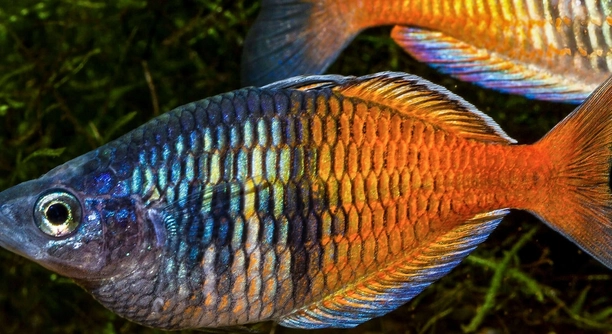
Rainbow fish are fascinating creatures that seem to possess an intriguing ability to anticipate feeding time. These fish are known for their vibrant colors and active nature. But is there more to their behavior than meets the eye?
Research suggests that rainbow fish, like many species, may sense feeding time through environmental cues, such as light changes, sounds, and the activity of their caretakers. This anticipation could be tied to their internal biological rhythms, helping them prepare for food.
Understanding how rainbow fish detect feeding time offers interesting insights into their behaviors and instincts.
How Rainbow Fish Sense Feeding Time
Rainbow fish have an impressive ability to detect feeding time. Their sense of timing isn’t just random; it’s likely based on environmental signals like light patterns, sounds, and daily routines. These fish have a natural rhythm that aligns with their caretakers’ habits. As they live in tanks or aquariums, they can recognize patterns, such as the noise of the lid opening or the sound of footsteps near their tank. This connection to their environment helps them anticipate when food is coming. Over time, they may even adapt to the time of day when food is usually provided.
Even more interesting is the possibility that rainbow fish have an internal biological clock, also known as circadian rhythms. This clock enables them to sense when it’s time to eat, much like how humans feel hungry around the same time every day. It’s a fascinating survival tactic, allowing them to be more prepared for feeding, improving their overall health and activity levels.
Their behavior demonstrates how finely tuned rainbow fish are to their surroundings, using environmental cues to align with feeding schedules.
The Role of Light and Sound
Light and sound play significant roles in how rainbow fish sense feeding time. They are sensitive to changes in their environment, like when the lights dim before feeding. This allows them to associate certain visual and auditory cues with food. Fish can also hear subtle sounds, and the noise of food being added to the tank could signal mealtime.
Rainbow fish have evolved to thrive on this type of routine. This anticipation is crucial for their health, as feeding time becomes a predictable event. The connection between these cues and their behavior reflects their intelligence and adaptability. Understanding these signals can help aquarium owners maintain a better routine and ensure the well-being of their fish.
The Impact of Routine on Feeding Time
Rainbow fish thrive on routine. They can quickly learn the times when food is typically offered and begin to expect it. This consistent schedule helps regulate their behavior, allowing them to become more active around feeding time. If the routine is disrupted, they may exhibit signs of confusion or stress, affecting their overall health.
This routine also influences their feeding patterns. By anticipating food at a set time each day, rainbow fish are likely to be hungrier and more responsive when feeding begins. Over time, they may even adjust their activity levels to match the schedule. If you feed them at different times or irregularly, you might notice that their behavior changes, signaling that they’re not receiving their food as predictably as they’d like.
Fish may also become more social with their owners during feeding time. They might actively swim around the tank, indicating excitement. The anticipation builds up their energy, making them eager for their meal.
How Changes in the Environment Affect Feeding Behavior
Changes in the environment, such as new sounds, lights, or objects in the tank, can also affect rainbow fish’s behavior. They are very sensitive to alterations in their surroundings. If you suddenly change the position of their tank or introduce new items, it may confuse them initially. This disruption can cause them to miss the usual cues they rely on to anticipate feeding.
However, once they adjust to the change, rainbow fish will often return to their usual routine. This ability to adapt quickly shows their resilience and intelligence. Regular feeding habits combined with a stable environment help maintain their overall well-being. Even with changes, rainbow fish will reestablish their feeding schedule once they recognize the new cues.
How Stress Affects Feeding Time Sensitivity
Stress can interfere with a rainbow fish’s ability to sense feeding time. If the tank environment becomes stressful due to factors like overcrowding or poor water quality, their anticipation of food may decrease. They might appear less active or not swim to the surface during feeding.
When stress is high, their feeding behavior can be erratic. Rainbow fish may either overeat or ignore food altogether. Over time, stress can weaken their immune system, making them more susceptible to diseases. Ensuring a calm and stable environment is crucial for maintaining their feeding habits and overall health.
The Role of Tank Size in Feeding Behavior
The size of the tank plays a significant role in how rainbow fish sense feeding time. In smaller tanks, fish may be more reactive and quickly learn to associate certain actions with food. However, in larger tanks, they may take longer to notice the routine, which could affect their feeding response.
How to Improve Feeding Time Signals
To help rainbow fish better sense feeding time, consider reinforcing consistent cues. Keep lighting and sounds stable, and stick to a feeding schedule. This helps the fish connect these signals to food. If possible, avoid sudden changes in their environment that could confuse them.
FAQ
Can rainbow fish recognize their owners?
Yes, rainbow fish can recognize their owners, especially if they have a consistent feeding routine. Over time, they may associate the sight of their caretaker with food. This recognition can lead to more active behavior when they see you approaching the tank.
How often should I feed rainbow fish?
Rainbow fish should be fed once or twice a day, depending on their age and size. Young or smaller fish may require more frequent feedings, while adult fish can manage with fewer meals. It’s essential to avoid overfeeding, as this can lead to water quality issues and health problems.
Can rainbow fish go without food for a few days?
Rainbow fish can survive without food for a few days, but it’s not ideal. While they can fast for short periods, long-term fasting can affect their health. It’s best to stick to a consistent feeding schedule to maintain their well-being.
Why do rainbow fish swim erratically before feeding time?
Rainbow fish may swim erratically before feeding time due to excitement or anticipation. They recognize cues like the opening of the tank lid or the movement of their owner and react by becoming more active. This behavior is part of their instinct to prepare for food.
Do rainbow fish get bored if fed the same food every day?
Yes, rainbow fish can become bored if fed the same food every day. A varied diet can help keep them engaged and healthy. You can mix up their meals with different types of fish flakes, frozen or live foods, and even some vegetables to keep them interested.
What are the best foods for rainbow fish?
Rainbow fish thrive on a varied diet, including high-quality flakes, pellets, and live or frozen foods like brine shrimp, daphnia, or bloodworms. Vegetables such as blanched spinach or zucchini can also be included in their diet. This variety ensures they receive all the necessary nutrients.
How do I know if my rainbow fish are overfed?
Signs of overfeeding include uneaten food floating in the tank, cloudy water, and the fish becoming lethargic or bloated. Overfeeding can lead to poor water quality and health issues for the fish, so it’s crucial to feed them the appropriate amount.
How can I make feeding time more exciting for my rainbow fish?
To make feeding time more exciting for your rainbow fish, you can try using feeding rings to present the food more attractively. You can also offer live or frozen foods occasionally, as these stimulate their hunting instincts and make meals feel more natural.
What temperature should the water be for rainbow fish to feed properly?
Rainbow fish prefer water temperatures between 72-78°F (22-26°C). If the water is too cold, their metabolism will slow down, and they may not respond to food as eagerly. Keeping the water within the ideal temperature range helps maintain their activity levels and ensures they’re ready for feeding.
Why do rainbow fish become more active at certain times of the day?
Rainbow fish, like many other species, have a natural circadian rhythm. They are typically more active during the day and may become especially active when they expect food. If you maintain a consistent feeding schedule, you’ll notice they become more active around feeding time.
Final Thoughts
Rainbow fish are fascinating creatures with unique behaviors, especially when it comes to feeding time. They have an impressive ability to recognize environmental cues like light changes, sounds, and the presence of their owner. These cues help them anticipate meals and stay healthy. Understanding how they sense feeding time can improve how you care for them and create a better routine for both you and your fish. By providing a consistent environment with stable lighting and regular feeding schedules, you help them feel secure and well-fed.
It’s also important to remember that routine plays a key role in the behavior of rainbow fish. They thrive on consistency and learn to expect food at certain times. Disruptions to their environment, such as changing the time of feeding or adding new objects to the tank, can confuse them and affect their feeding behavior. When possible, try to maintain the same feeding schedule and avoid sudden changes. This not only keeps them calm but also encourages healthy eating habits. The more you follow a predictable pattern, the more your rainbow fish will adjust to their feeding routine and remain active and engaged.
Finally, while it’s fascinating to understand how rainbow fish sense feeding time, it’s also essential to remember that their overall health depends on more than just feeding schedules. Water quality, tank size, and diet are just as important. A balanced approach to caring for your fish will help ensure they live long, healthy lives. By paying attention to their needs and behaviors, you create a harmonious environment where they can thrive. Whether you’re a beginner or an experienced fish keeper, these simple tips will help you nurture your rainbow fish effectively.

Hello,
If you enjoy the content that we create, please consider saying a "Thank You!" by leaving a tip.
Every little bit helps us continue crafting quality advice that supports the health, happiness, and well-being of pets around the world, for pets of all shapes, sizes, and species.
We really appreciate the kindness and support that you show us!