
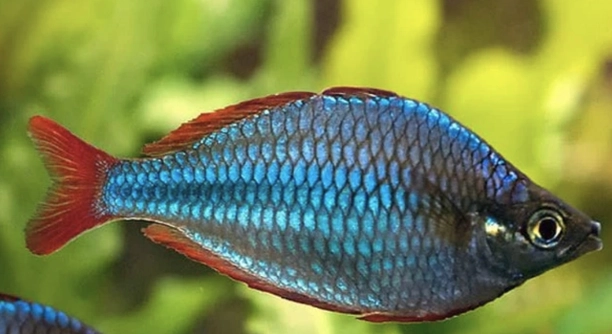
Do you ever find yourself struggling to capture the bright colors of your rainbow fish when snapping photos at home?
The best way to photograph rainbow fish is by using a combination of proper lighting, clean aquarium glass, and a high shutter speed. These techniques help emphasize their vivid colors while reducing motion blur and reflections.
Learning how to use natural light, camera settings, and positioning can make a big difference in showing off your fish’s true beauty.
Use the Right Lighting
Good lighting is one of the most important things when photographing rainbow fish. These fish are known for their bold and reflective colors, so you’ll want to show that clearly. Natural daylight works well, especially if the tank is near a window. Try to shoot during the early morning or late afternoon when the light is soft. If you’re using artificial lights, avoid direct flash, which can cause harsh reflections. Instead, use a soft, diffused light above the tank. Make sure your aquarium lights are clean and not flickering, as this can affect the photo quality. Clean the outside glass of your tank so light passes through clearly. You can also use a flashlight with a diffuser to bring out specific colors on your fish. Try different angles and lighting sources to see which brings out the best detail and color in your photos.
Try turning off the room lights and using only your aquarium light to reduce glare and reflections.
Lighting can make or break a fish photo. Even slight changes in the angle or intensity can affect how colors appear. Be patient and adjust your lights slowly until the fish’s natural shimmer stands out.
Keep the Tank Clean
Smudges and water spots on the glass will lower your image quality. Wipe the outside regularly and scrape off algae from the inside.
The condition of your tank affects every photo. Clean the glass thoroughly before you start. Even small spots or smudges will show up in the image, especially if you’re using a high-resolution camera or phone. Use an algae scraper or magnetic cleaner on the inside of the glass. For the outside, a soft cloth and water should be enough. Avoid using cleaners that leave residue or chemicals behind. Clear water is also important. A small water change before taking photos can help reduce floating particles. Turn off any air pumps briefly while photographing to limit bubbles. Your goal is to have as few distractions as possible in the shot. If your fish is near a plant or decoration, gently guide it to a cleaner spot using food or your finger. Clear surroundings allow your rainbow fish’s color and details to really stand out.
Use a Fast Shutter Speed
Fish move quickly and unpredictably. A slow shutter speed will blur your photo. Use a fast shutter speed to freeze motion and keep the image sharp. Aim for 1/250 or higher if your camera allows manual settings.
A fast shutter speed helps capture your rainbow fish clearly, especially when they’re swimming fast or turning suddenly. If you’re using a DSLR or mirrorless camera, switch to manual or shutter priority mode. Increase your ISO if the image is too dark, but try not to go too high or it may add grain. If you’re using a phone camera, try burst mode or an app that gives you control over shutter speed. Make sure there’s enough light in the tank to balance the fast speed. A clean, brightly lit tank gives you a better chance of snapping that perfect, sharp image of your fish in motion.
Even with fast shutter speeds, timing matters. Watch your fish for a few minutes to see how it moves and where it pauses. Rainbow fish often glide in short bursts and sometimes hover in one spot. Be ready to press the shutter at the right time. Take multiple shots to increase your chances of a great one.
Focus on the Eyes
The eyes are the sharpest and most expressive part of the fish. Make sure they’re in focus. Blurry eyes can make an otherwise good photo feel off. Use single-point autofocus or tap-to-focus on your screen.
Clear, focused eyes make the fish feel alive in your photo. Whether you’re using a camera or a phone, lock focus on the eyes before taking the shot. With a fast-moving subject like rainbow fish, it helps to anticipate their position. If you’re using a camera with autofocus points, select a single point and position it where the fish’s eye is likely to be. For phone users, tap the fish’s eye on your screen to focus there. This small adjustment often separates an average photo from a great one. If the fish is too close to the glass, the lens may focus on the glass instead of the fish, so pull back slightly.
Be Patient and Observant
Rainbow fish move a lot and don’t always swim where you want them to. Stay still, wait quietly, and observe their behavior. They often repeat patterns, giving you a better chance to plan your shot.
Taking photos too quickly often leads to blurry or poorly framed images. Give it time.
Limit Reflections
Reflections on the tank glass can ruin your photo. Turn off room lights, wear dark clothing, and shoot at a slight angle. You can also place a dark cloth behind you to block reflections.
Use a lens hood or shade your phone with your hand. Even small reflections can distract from your fish.
Use Editing Tools
After taking your photo, a little editing helps bring out the colors. Adjust brightness, contrast, and sharpness, but avoid heavy filters. Editing should enhance what’s already there, not change the look completely. Focus on keeping the fish’s natural colors clear and true.
Shoot Straight On
Shooting from the side keeps the fish’s body in full view and helps avoid distortion. Angle matters.
FAQ
How do I avoid blurry photos of my rainbow fish?
Blurry photos often happen when the fish moves too quickly or the camera settings are wrong. To avoid this, increase your shutter speed to at least 1/250 or higher. A faster shutter will freeze motion, helping your fish stay sharp. If using a phone, try burst mode for continuous shots. Make sure your aquarium lights are bright enough to support a fast shutter. Lastly, clean your aquarium glass to avoid reflections that can make your image appear fuzzy.
Can I use my phone to photograph rainbow fish?
Yes, modern smartphones are quite capable of photographing rainbow fish. Use the camera’s manual settings, if available, to adjust the focus and exposure. Tap on the fish’s eye to ensure sharpness, and avoid using the flash. Most phones also allow you to adjust the ISO to compensate for low lighting. You may need to experiment with different angles to avoid reflections and get the best shot.
What is the best time of day to take photos of rainbow fish?
The best time is typically early morning or late afternoon, when natural light is softer. Harsh midday sunlight can create strong reflections in the tank glass. If you rely on aquarium lights, make sure they are clean and not flickering. Natural light from a nearby window can add to the vibrancy of the fish’s colors, but avoid direct sunlight which might cause glare.
Should I use flash when photographing rainbow fish?
It’s best to avoid using a flash. The flash can create harsh reflections on the aquarium glass and distort the fish’s natural colors. Instead, use natural light or a soft, diffused artificial light. If your aquarium has built-in lights, position yourself so the light creates an even glow without creating glares or hotspots.
How do I make the colors of my rainbow fish stand out?
To enhance the colors of your rainbow fish, use bright, soft lighting and shoot at the right angle. Try to avoid direct flash and instead opt for indirect or diffused light. Clean the tank glass so the light passes through clearly without interference. If using artificial lighting, try colored filters or LED lights to bring out the vibrancy of the fish. Also, focus on capturing the fish’s natural reflection in the water rather than relying too much on the surroundings.
How do I photograph rainbow fish with a phone camera?
Phone cameras can work well for photographing rainbow fish. Use manual focus or tap on the fish’s eye for sharpness. You may need to use a phone app to control the shutter speed and ISO settings. Avoid using the zoom function as it can reduce image quality. Set the phone close to the glass to reduce reflections and get a clearer shot. Experiment with different angles and make sure the tank lighting is bright enough for your phone’s camera to capture sharp details.
Why are my rainbow fish photos too dark?
Dark photos are often a result of low light conditions in the tank. To fix this, increase the exposure or ISO settings on your camera or phone. You can also add more lighting to your aquarium, such as using a brighter light or positioning your tank near a window. Avoid shooting in poorly lit rooms. If your fish are far from the glass, move closer to them or use a longer lens. Adjusting your white balance settings may also help improve brightness and clarity.
How can I capture the movement of my rainbow fish?
Capturing movement requires a fast shutter speed. Set your camera to at least 1/250 to freeze the fish in action. If using a phone, use burst mode to capture multiple frames in quick succession. Observe your fish for a few minutes to see how they swim and where they pause, then be ready to take the shot when they’re in a good position. Shooting at a slight angle can also help capture the fish’s movement without too much distortion.
Do I need a professional camera to photograph rainbow fish?
While a professional camera may offer more control over settings, a smartphone can also produce great results if used correctly. Focus on getting the right lighting, angle, and timing. Experiment with the camera’s settings, such as ISO and shutter speed, to see what works best for your tank. High-end cameras give you more flexibility in post-processing, but they are not essential for capturing beautiful fish photos.
Can I use editing software to enhance my rainbow fish photos?
Yes, editing software can help improve your photos by adjusting brightness, contrast, and sharpness. However, avoid over-editing, as it can change the natural look of your fish. Focus on enhancing the colors and reducing noise. You can also crop or straighten your images if necessary. Simple adjustments can make a significant difference, but be sure to keep the original details intact.
Final Thoughts
Photographing rainbow fish can be a rewarding experience when done with the right techniques. With their vibrant colors and active movements, they provide an interesting challenge for any photographer. The key is patience, practice, and knowing how to set up the environment for the best results. By focusing on proper lighting, clear tank glass, and the right camera settings, you can capture their natural beauty in stunning detail. Whether you’re using a professional camera or a smartphone, understanding the basics of photography will help improve your shots over time.
Don’t be discouraged if your first few attempts don’t turn out as expected. It takes time to figure out the best angles, the right amount of light, and the perfect timing to capture those sharp, colorful images. Remember to focus on the details, like the fish’s eyes, and try different techniques to reduce reflections and blur. Every small adjustment can make a big difference in the quality of your photo. Keep experimenting with different settings and compositions, and you’ll likely see your skills improve as you learn more about your fish’s behavior and your camera.
In the end, the joy of photographing rainbow fish isn’t just about getting the perfect shot. It’s about enjoying the process of capturing their beauty and sharing that with others. Each photo is a chance to showcase the unique colors and patterns that make these fish so special. With practice, you’ll gain confidence and be able to create images that truly reflect the lively energy of rainbow fish in their natural environment.

Hello,
If you enjoy the content that we create, please consider saying a "Thank You!" by leaving a tip.
Every little bit helps us continue crafting quality advice that supports the health, happiness, and well-being of pets around the world, for pets of all shapes, sizes, and species.
We really appreciate the kindness and support that you show us!