
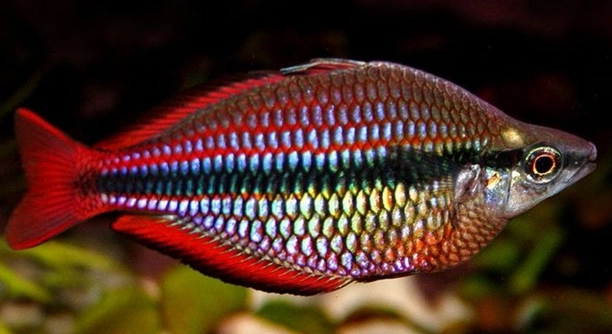
Rainbow fish are known for their vivid colors and lively behavior. If you’ve ever watched them swim, you might have noticed that they often follow the water filter flow in their aquarium.
Rainbow fish follow the filter flow because it provides a steady current that mimics their natural habitat. In the wild, they live in streams and rivers where moving water helps them feel secure and supported. The flow also encourages activity and feeding.
Understanding the reason behind this behavior can help improve their well-being in your tank, creating a more natural environment that promotes their health and happiness.
Why Do Rainbow Fish Enjoy the Flow?
Rainbow fish are often seen swimming in the direction of the water filter flow in their tank. This behavior is not just random; it’s deeply connected to their instincts and natural environment. In the wild, rainbow fish live in fast-moving waters such as rivers and streams. This constant flow provides them with a sense of security and supports their natural behavior. It encourages them to move with the current, which helps them stay active and engaged. The filter in an aquarium helps replicate this movement, providing the fish with a more comfortable and natural space. It’s not just about the current itself, but also about the potential food particles that drift along with the flow. This helps rainbow fish with feeding, as they naturally forage in the wild.
The aquarium filter’s water flow is key to their happiness. Without it, they may feel out of place and stressed. This simple addition can create a thriving habitat for them.
Rainbow fish may also follow the current to explore different areas of the tank. They are naturally curious, and the flow directs them to areas they might otherwise ignore. The movement encourages them to swim more actively, improving their physical health and overall well-being. Adding decorations or plants in the path of the current can also enhance their experience. It mimics the natural variety they would find in the wild, providing places to hide and explore. This behavior is vital for their mental stimulation and helps prevent boredom. With proper tank management, the filter flow can become a source of both enjoyment and health for your rainbow fish.
How to Adjust the Flow for Your Fish
If the current is too strong, it might make your fish stressed. It’s important to adjust the filter’s flow to match the needs of your fish.
Rainbow fish thrive in a balanced environment where the flow is moderate, not overwhelming. If your aquarium filter is too powerful, it can cause the water to churn, making it difficult for the fish to swim. This may lead to exhaustion and even injury over time. A strong current can also push them into the filter, which is stressful and dangerous. You can adjust the strength of the current by using a filter with a flow rate that matches the tank size. Additionally, placing decorations or plants in the water can help break up the current, creating calmer areas for the fish to swim. By fine-tuning the flow, you ensure that the rainbow fish can swim naturally while feeling secure in their environment.
Why Rainbow Fish Follow the Filter Flow
The water flow created by a filter simulates the natural environment of rainbow fish. In the wild, they swim in rivers with currents, so this behavior is instinctive. It helps them feel more comfortable and secure. The filter flow also offers a sense of direction, encouraging them to swim more actively.
In aquariums, the filter provides not just movement but also a steady flow of small particles. These particles can serve as a food source or help the fish feel more engaged. Rainbow fish often swim against or alongside the flow, which keeps them active and healthy. The current also helps oxygenate the water, providing an added benefit for the fish’s well-being.
The filter’s current also prevents stagnation in the tank. Without movement, the water can become still, creating pockets of low oxygen and potential debris buildup. The filter’s action ensures the water stays clean, which is vital for the health of rainbow fish. They rely on both the physical current and the filtered water for overall health. A properly functioning filter system mimics their natural habitat, providing a more suitable environment.
How Strong Should the Flow Be?
Too much water flow can stress rainbow fish, making them feel uncomfortable or unsafe. The ideal flow should be gentle but consistent.
A flow rate that’s too strong can overwhelm the fish, pushing them around the tank or causing them to struggle. This can lead to fatigue or even injury. On the other hand, if the flow is too weak, the water won’t circulate well, leading to poor water quality. It’s essential to find a balance that replicates the natural environment without being overwhelming. You can adjust the filter flow by changing its settings or placing objects to break up the current.
Creating a balanced flow ensures that your rainbow fish have a stable environment. It helps maintain the water’s oxygen levels while supporting natural behaviors. A filter with adjustable settings can help you customize the current to suit your aquarium’s needs. If the flow is too weak, the fish may become less active. Adjusting the flow to match their natural preferences can improve their physical and mental health, allowing them to thrive in your tank.
Adjusting Tank Setup for Rainbow Fish
Placing decorations or plants can help diffuse strong water currents. This creates calmer zones for the fish to swim in. The flow should feel natural, not overpowering.
Strategically adding rocks or plants in the tank provides shelter for the fish. They can swim around obstacles, which mimics their natural habitat. By disrupting the flow with these objects, the tank becomes more dynamic and supportive. It encourages the rainbow fish to explore, swim, and feel secure. The movement of the water will feel more authentic, and the fish will enjoy a comfortable environment.
Water Temperature and Flow Interaction
Water temperature plays a role in how the filter flow affects rainbow fish. Colder water tends to create denser currents, while warmer water may soften them.
Rainbow fish prefer warmer water, typically between 74°F to 78°F (23°C to 26°C). Warmer water helps them stay more active and less stressed. If the water is too cold, the filter flow might seem stronger, causing the fish to struggle. Maintaining the correct water temperature ensures that the flow doesn’t feel too intense for them. It also helps with digestion, feeding, and overall comfort.
Fish Behavior Around the Current
Rainbow fish are curious and active. They naturally swim with the current, which encourages exercise and engagement.
Their movement around the flow helps them stay physically fit. In the wild, they swim against and with the current, maintaining their muscle tone. This constant motion supports their health by keeping them alert and strong. If the flow is too strong or too weak, their behavior can shift, affecting their activity levels.
FAQ
Why do rainbow fish prefer a current in the tank?
Rainbow fish are naturally found in fast-moving waters like rivers and streams. The current in an aquarium mimics this environment, making them feel more at home. They follow the flow because it provides a sense of security and supports their natural behavior. The movement encourages them to stay active and engaged, which is crucial for their health.
How do I know if the filter flow is too strong for my rainbow fish?
If the water flow is too strong, rainbow fish may struggle to swim, especially if they are being pushed against tank walls or decorations. Signs of stress include the fish constantly swimming in place, avoiding areas with stronger current, or appearing exhausted. If the fish seem to have difficulty navigating the tank, it’s time to reduce the flow.
Can rainbow fish live without a filter?
While rainbow fish can technically survive in a tank without a filter, it’s not ideal. Without a filter, the water can become stagnant, leading to poor oxygen levels and a buildup of harmful waste. A filter provides continuous water movement, oxygenation, and filtration, all of which are essential for their health. It’s best to have some form of filtration system in place to maintain a stable and clean environment.
How can I adjust the flow if my rainbow fish are stressed?
If your rainbow fish are stressed due to the filter flow, try adjusting the filter’s output. Many filters come with adjustable flow settings, so reducing the intensity can help. You can also position decorations or plants in the tank to block or redirect the current. This creates calmer zones where the fish can swim without struggling against the flow.
Is it okay for rainbow fish to swim against the current?
Yes, rainbow fish enjoy swimming against the current, as it helps keep them active and engaged. In the wild, they often swim in streams where they face currents. This natural behavior supports their muscle tone and overall health. It’s a good sign if you see your rainbow fish swimming against the filter’s flow; it indicates they’re comfortable and healthy.
Do rainbow fish need a specific type of filter for proper water flow?
Rainbow fish don’t require a specific type of filter, but the filter’s flow rate should match the size of your tank and the fish’s needs. A sponge filter or hang-on-back filter can work well for tanks with rainbow fish, as they provide gentle but consistent water movement. Be sure the filter is rated for the tank size to ensure the flow is appropriate for your fish.
How do I balance the filter flow with other tank inhabitants?
If you have other fish species in the tank, the filter flow should be adjusted to meet the needs of all the fish. Some species may prefer calmer water, so you can add plants or decorations to provide areas of shelter. You might also want to position the filter in a way that the strongest current doesn’t affect the entire tank. Monitoring the behavior of all your fish is key to finding the right flow balance.
Can rainbow fish thrive in a tank without much water movement?
Rainbow fish prefer gentle water movement, so a tank with no flow at all might not be ideal. Without any movement, the water may become stagnant, and the fish may feel stressed or inactive. A mild current, similar to what they would encounter in their natural environment, encourages natural behaviors and keeps them healthy. It’s essential to maintain some form of water movement for their well-being.
What types of plants or decorations can help with current control?
Plants, rocks, and tank decorations can help create areas of calm within the current. Tall plants, like Amazon swords or java ferns, can break up the flow and provide shelter. Rocks and driftwood placed strategically can also help redirect or diffuse the current. These additions not only support the fish’s health but also enhance the tank’s aesthetic appeal.
Can rainbow fish live in tanks with very strong filters?
Rainbow fish may tolerate stronger filters if the current is diffused, but they might become stressed if the flow is too intense. If you have a strong filter, consider adding objects to reduce the current, like large plants or decorations. You can also opt for adjustable filter systems to customize the water movement for your fish’s comfort.
What are the best water conditions for rainbow fish?
Rainbow fish thrive in water that is slightly warm, ranging between 74°F to 78°F (23°C to 26°C). The water should be slightly alkaline, with a pH level of around 7.0 to 8.0. Keeping the water clean and free from harmful chemicals is essential. Regular water changes, along with proper filtration, help maintain ideal conditions. Consistent temperature and clean water will ensure the fish remain active and healthy.
How often should I adjust the filter flow?
You don’t need to adjust the filter flow constantly, but it’s a good idea to check it regularly. If the water temperature changes or you notice a shift in the fish’s behavior, you might need to adjust the flow. Additionally, as the tank changes over time, like adding new decorations or plants, adjusting the flow may become necessary to ensure it remains comfortable for your rainbow fish.
What other behaviors might indicate that the filter flow isn’t suitable for my rainbow fish?
If the filter flow isn’t right, you may notice that your rainbow fish are swimming near the tank’s bottom or trying to avoid certain areas of the tank. They might also spend more time hiding rather than swimming freely. These signs suggest that the water flow is either too strong or too weak, and adjusting it could help them feel more comfortable.
Final Thoughts
Rainbow fish are unique creatures that thrive in environments with gentle water movement, similar to the flowing streams they naturally inhabit. Their preference for a moderate current helps them stay active and healthy. If the water flow is too strong or too weak, it can affect their overall well-being. Therefore, it’s important to find the right balance, ensuring that the filter flow matches the size of the tank and the fish’s natural behavior.
Adjusting the water flow in your aquarium can be done easily by changing the filter’s settings, rearranging decorations, or adding plants to break up the current. These steps allow the fish to swim comfortably and avoid unnecessary stress. Rainbow fish should not be left in an environment where the flow is too harsh, as it can lead to exhaustion, injury, or even a decline in their health. Creating sheltered areas within the tank where the water is calmer will make your rainbow fish feel safe and secure.
Maintaining optimal water conditions, along with proper filtration, is crucial for rainbow fish. Regular water changes, monitoring the water temperature, and ensuring clean water quality will help your fish stay healthy in the long run. Understanding your fish’s needs and adjusting the tank setup accordingly will lead to a more harmonious aquarium environment. By paying attention to these details, you can provide a comfortable, thriving habitat for your rainbow fish.

Hello,
If you enjoy the content that we create, please consider saying a "Thank You!" by leaving a tip.
Every little bit helps us continue crafting quality advice that supports the health, happiness, and well-being of pets around the world, for pets of all shapes, sizes, and species.
We really appreciate the kindness and support that you show us!