
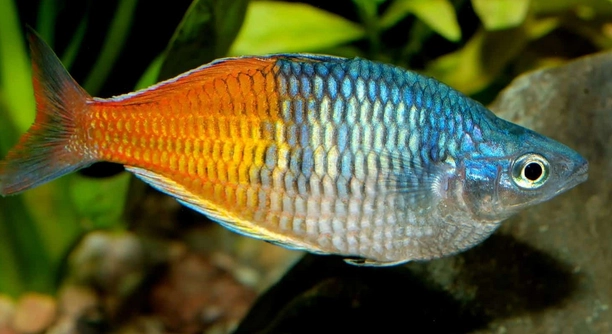
Rainbow fish are known for their striking colors and vibrant personalities. If you own one or are just fascinated by these creatures, you may have noticed their displays of dominance in their natural habitat or aquarium setting.
Rainbow fish exhibit dominance through various behaviors such as territoriality, chasing, and color displays. These actions serve to establish social hierarchy, assert control over a particular area, and communicate with other fish in their environment.
Understanding these behaviors will help you appreciate the complex social structure of rainbow fish. Each action tells a story about their interaction and survival strategies.
Territorial Behavior
Rainbow fish are territorial by nature, often establishing and defending specific areas within their tanks or natural habitats. They use this space to rest, hide, and gather food, making it crucial for their well-being. When another fish enters their territory, they display signs of dominance by chasing or flaring their fins. The more vibrant the fish’s colors, the stronger their perceived dominance. These displays help prevent fights and maintain order in their social structure.
If a rainbow fish feels its territory is being threatened, it might react aggressively. It could chase intruders away or use its body size and colors to assert its space. This behavior isn’t just about survival, but about preserving a safe environment for feeding and resting. Over time, these territorial fish become more confident in their dominance as they settle into their space.
Having enough space in an aquarium can help reduce unnecessary stress and aggression in rainbow fish. It’s also important to consider the number of fish in the tank, as overcrowding can lead to more frequent territorial disputes. Keeping your rainbow fish’s environment stress-free will encourage healthy, dominant behaviors.
Color Displays
Rainbow fish often use their colors to communicate dominance. Bright, vivid colors are a sign of strength and health, signaling to others that they are capable of defending their space. These displays can intimidate rivals.
When rainbow fish are trying to assert dominance, they may flare their fins or change their color intensity. This can be a warning to other fish, letting them know that the territory is claimed. In some cases, it can also be a method of attracting mates. The more intense the coloration, the higher the fish’s standing in the group. It’s not just about appearance; it’s about sending a message of power and confidence.
Chasing and Nipping
Rainbow fish may chase or nip at one another as a sign of dominance. When they feel threatened or want to defend their space, they can become more aggressive. This behavior is meant to keep rivals away and assert control over their area.
Chasing is often accompanied by rapid swimming, where the dominant fish will dart towards the other fish with quick, purposeful movements. Nipping usually happens when the fish get too close to each other. Although these actions can seem harsh, they rarely cause serious injury. Instead, they act as a natural warning system that helps maintain the social hierarchy in their environment.
Over time, fish that continually engage in chasing and nipping behaviors may establish themselves as the dominant members of the tank. It is important to give rainbow fish enough space to avoid unnecessary conflict. Proper tank size and layout can help reduce aggressive interactions between fish.
Group Dynamics
In a group of rainbow fish, dominant individuals tend to assert themselves by showing off their strength and size. They often swim at the front of the group or lead the school to food. These behaviors help maintain the order within the group.
The dominant fish often set the pace for the rest of the group, leading them to feeding areas and important territories. This behavior is important for the survival of the fish, as the dominant individual often ensures that the group is not threatened. If another fish challenges this authority, they may experience chasing or other territorial behaviors. Rainbow fish are social creatures, and understanding their group dynamics can give insights into their overall health and behavior.
Displaying Fins
Rainbow fish often flare their fins to show dominance, making themselves appear larger and more intimidating. This behavior is a direct display of their strength and health, signaling to others in the group that they are in control.
Flaring fins is typically seen during moments of tension or competition. It’s not always aggressive but acts as a clear message to others. A fish that constantly shows off its fins is likely one of the dominant members of the group. This helps maintain social balance and ensures there are fewer direct conflicts.
Aggressive Posture
Rainbow fish can adopt an aggressive posture to defend their territory or assert dominance. This includes puffing up their bodies and locking eyes with potential threats. Their posture helps deter challenges.
Such behavior is often a response to perceived threats or rivals. The more assertive fish will puff their bodies and take up more space, showing that they are ready to defend their space. This posture may reduce conflict by establishing clear boundaries among the fish.
FAQ
How can I tell if my rainbow fish is being dominant?
Dominant rainbow fish will display specific behaviors like flaring their fins, chasing, or nipping at others. They may also adopt an aggressive posture, puffing up their bodies and swimming confidently in front of the group. The more vibrant their colors, the more likely they are to be displaying dominance. These behaviors help them maintain control over territory or assert their position in the group. You might notice them leading the group to feeding areas or positioning themselves at the front.
Do rainbow fish fight over territory?
Yes, rainbow fish can be territorial, and they will fight if they feel their space is being threatened. When a new fish enters their territory or gets too close, they may chase, nip, or even flare their fins to establish dominance. The aggression usually isn’t violent but is meant to discourage others from intruding. Territorial disputes are common, especially in smaller tanks where space is limited. If you notice constant aggression, consider rearranging the tank layout or adding more hiding spaces to reduce conflict.
Can I keep multiple dominant rainbow fish together?
Keeping multiple dominant rainbow fish together can be challenging. If the tank is too small, they might constantly fight over space and resources. However, if the tank is large enough, with plenty of hiding spots and territories, multiple dominant fish can coexist. It’s important to ensure that the fish have enough space to reduce the likelihood of conflict. Monitoring their behavior closely is key to understanding whether they are managing to share the environment peacefully.
What should I do if my rainbow fish is being too aggressive?
If one of your rainbow fish is overly aggressive, consider creating more space in the tank by rearranging decorations or adding more hiding spots. This gives each fish a place to retreat and reduces direct confrontations. You can also try separating the aggressive fish temporarily to see if the behavior improves. Adding more fish to the tank can sometimes help dilute aggression by shifting the focus away from any one individual. Ensure the water conditions are optimal, as stress from poor water quality can lead to aggression.
Why do rainbow fish change colors?
Rainbow fish change colors primarily as a display of dominance, breeding readiness, or social interaction. When they want to assert their dominance, they may intensify their colors to signal strength and health. In mating season, the colors become more vivid as part of the courtship ritual. A fish’s colors are also influenced by stress or environmental factors. If a fish is sick or stressed, its colors may dull, signaling a need for attention. Understanding these color changes can help you better manage their environment and health.
Can rainbow fish be kept with other species?
Rainbow fish can be kept with other species, but it’s important to choose tank mates carefully. They are generally peaceful but can become territorial, especially in smaller tanks. Avoid overly aggressive or large species that may intimidate or provoke them. Peaceful, smaller fish such as tetras, rasboras, or other community species make good tank mates. It’s also important to avoid keeping fish that resemble rainbow fish in shape or size, as this might cause territorial aggression.
How do I know if my rainbow fish is stressed?
Stressed rainbow fish may display behaviors like hiding more than usual, swimming erratically, or losing their vibrant colors. Stress can be caused by overcrowding, poor water quality, sudden changes in temperature, or aggressive tank mates. A stressed fish may also lose its appetite and appear lethargic. Regularly checking the water parameters and ensuring a peaceful tank environment can help prevent stress in rainbow fish. If these signs persist, it’s important to investigate the cause and address it promptly to ensure your fish remains healthy.
Do rainbow fish establish long-term hierarchies?
Yes, rainbow fish do establish long-term hierarchies within their groups. Once a dominant fish asserts its position, it typically maintains that role as long as the environment stays stable. The other fish in the group will usually respect the hierarchy, avoiding direct challenges unless the dominant fish weakens. Hierarchies help reduce constant conflict, as fish naturally know their place in the social structure. However, if a new, stronger fish enters the group, the hierarchy may shift, leading to temporary conflicts until the new social order is established.
Are rainbow fish aggressive toward each other?
Rainbow fish are not naturally aggressive toward each other, but they can become territorial, especially during breeding or when competing for food. They typically show aggression through chasing, nipping, or flaring their fins. However, these behaviors are not usually dangerous and are part of their social structure. In larger tanks with enough space and resources, aggression can be minimized. It’s also crucial to ensure that the tank is not overcrowded, as this can lead to increased competition and aggression among fish.
How can I prevent fighting between rainbow fish?
To prevent fighting, ensure your tank has plenty of space for the fish to establish their own territories. Providing hiding spots and dividing the tank with plants or decorations can help reduce confrontations. Avoid overcrowding, as this can increase stress and lead to more aggression. Also, maintaining proper water quality and temperature can reduce stress, which may lower the chances of aggressive behavior. If you have a group of rainbow fish, make sure the group is large enough to prevent bullying from a single dominant individual.
Final Thoughts
Rainbow fish display unique behaviors when it comes to dominance, and understanding these can help you better care for them. They use various methods such as territorial displays, chasing, and showing off their colors to assert control. These behaviors are natural and help maintain order within their social groups. While it may seem aggressive at times, this is simply part of how they establish their place in the tank. A healthy, well-maintained tank environment can reduce much of the aggression and allow them to live peacefully.
Ensuring that your rainbow fish have enough space is key to minimizing conflict. Overcrowding can lead to increased competition for resources, which may intensify aggressive behaviors. Providing hiding spots, plants, and decorations also helps reduce stress and gives each fish a safe place to retreat. If there is constant fighting, rearranging the tank or adding more fish to balance the group can be effective. Also, regularly monitoring water quality is crucial since poor conditions can contribute to stress and dominance struggles.
Understanding the behaviors of rainbow fish is important for keeping them happy and healthy. Their displays of dominance are a normal part of their social structure, but it’s essential to provide them with the right environment to reduce unnecessary conflict. By paying attention to their needs and creating a space that promotes peaceful living, you’ll ensure your rainbow fish thrive.

Hello,
If you enjoy the content that we create, please consider saying a "Thank You!" by leaving a tip.
Every little bit helps us continue crafting quality advice that supports the health, happiness, and well-being of pets around the world, for pets of all shapes, sizes, and species.
We really appreciate the kindness and support that you show us!