
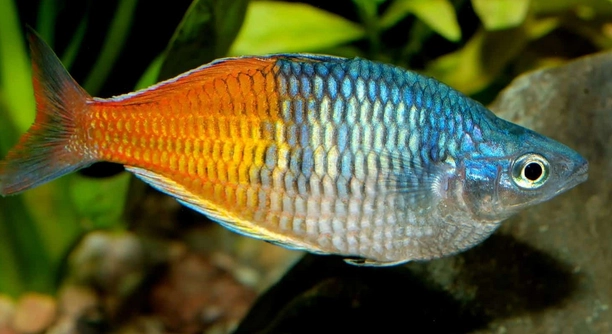
Are your rainbow fish constantly lingering at the surface or showing unusual signs after feeding time, leaving you unsure about their diet?
Overfeeding rainbow fish can lead to serious health problems such as bloating, constipation, and poor water quality. Uneaten food decays quickly, increasing ammonia levels and harming the fish. Feeding small, measured portions ensures a balanced and healthy aquarium environment.
Recognizing the early signs can help you adjust their feeding routine before it becomes a bigger issue.
They Keep Begging for Food Even After Eating
Rainbow fish begging for food can seem cute, but it’s not always a sign they’re hungry. These fish are quick learners and often associate your presence with feeding time. If they swim toward the glass or gather at the top when you approach, it could be out of habit rather than hunger. Over time, this behavior can lead to overfeeding if you constantly give in. It’s important to maintain a set feeding schedule and portion size, no matter how eager they seem. Stick to feeding them once or twice a day with just enough food they can finish in under two minutes.
Always watching you or crowding near the surface doesn’t always mean they’re underfed.
Understanding your rainbow fish’s behavior is key to avoiding overfeeding. Fish will often display food-seeking actions regardless of their actual dietary needs. This behavior stems from conditioning and not necessarily from hunger. They may swim back and forth, nip at tank mates, or act restless when they anticipate feeding. It’s tempting to respond by offering more food, but this can create bigger issues like water contamination and digestive stress. Instead, observe their actual eating habits. Do they finish what’s given within a couple of minutes? If not, reduce the portion slightly. Feeding based on behavior alone leads to inconsistent habits and health problems over time. Establishing a consistent routine, offering high-quality flakes or pellets, and watching how quickly they eat can help manage feeding more accurately.
Their Bellies Appear Swollen or Rounded
A swollen belly in rainbow fish is often a sign they’re being fed too much or too often. Overfeeding causes food to build up in their digestive system, leading to bloating and discomfort that’s easy to overlook.
When rainbow fish are overfed, their bodies can’t properly process all the extra food. This leads to visible bloating, especially around the stomach area. While some slight fullness after a meal is normal, a consistently rounded belly is not. It can also make swimming harder for them, causing them to wobble or tilt slightly in the water. In worse cases, it may lead to constipation or swim bladder issues. Reducing feeding portions and giving them a “fasting” day once a week can help. Feeding them boiled, skinned peas occasionally can also help with digestion and ease bloating symptoms. Stick with high-quality food and avoid feeding more than they can finish quickly.
Rainbow fish have small stomachs, so even small overfeeding can build up quickly. Watching their belly shape from the side of the tank makes it easier to tell if something’s off. If their bodies look more plump than streamlined for more than a day after eating, it’s time to cut back. Avoid giving extra treats or snacks between meals. Balanced nutrition and portion control are important for keeping their shape and energy levels in check. Don’t forget to check tank mates too—competition during feeding can lead to some fish overeating while others go hungry. Try spreading food out more during feeding to avoid this.
There’s Uneaten Food Floating in the Tank
If you notice flakes or pellets floating long after feeding, it likely means your rainbow fish have been given too much. Leftover food breaks down quickly, affecting water quality and stressing the fish.
Uneaten food also increases ammonia levels, which can cause fin damage and illness. Feed only what they can finish.
They Poop More Than Usual
Overfeeding often leads to more frequent and longer waste trails. You might notice your rainbow fish pooping shortly after meals and more often throughout the day. While it’s normal for healthy fish to pass waste regularly, an increase in both frequency and volume usually points to excessive food intake. This constant digestion cycle can strain their system over time, making them more prone to digestive issues. Reduce the portion size slightly and watch if their waste patterns normalize. A clean tank also helps you monitor this more easily, so do regular maintenance and vacuum the substrate to spot changes early.
Water Looks Cloudy After Feeding
Cloudy water right after feeding is often due to food particles breaking down too quickly. It’s a sign there’s too much food in the tank.
FAQ
How often should I feed my rainbow fish?
Feeding rainbow fish once or twice a day is enough. Each feeding should last no more than two minutes. Offer only what they can eat in that time. Overfeeding can lead to bloating, poor water quality, and health problems. A consistent schedule helps maintain good digestion and tank cleanliness.
What’s the best type of food for rainbow fish?
High-quality flakes or micro pellets are ideal for daily feeding. You can also add frozen or live foods like daphnia, brine shrimp, or bloodworms once or twice a week for variety. Keep portions small. Fish benefit more from nutritional balance than quantity. Avoid cheap filler-based foods, as they create more waste.
Why do my rainbow fish always seem hungry?
Rainbow fish are active and often act hungry even when they’re full. They associate your presence with food and learn routines quickly. This behavior doesn’t mean they need more food. Stick to your schedule and measured portions regardless of how they act.
Can overfeeding rainbow fish kill them?
Yes, overfeeding can harm or kill rainbow fish. Uneaten food decays, increasing ammonia and nitrite levels, which stress the fish and damage their gills. Long-term overfeeding also leads to internal problems like fatty liver disease and digestive blockages. Always feed small amounts and clean up leftovers when needed.
How do I know if I’m feeding the right amount?
The best way to check is by observing how quickly your fish eat. If food is still floating around after two minutes, it’s too much. Healthy rainbow fish should look active, have flat bellies (not bloated), and clear, stable water conditions. Watch for waste patterns and leftover food too.
Is it okay to skip feeding my fish for a day?
Yes, skipping a feeding day once a week can actually help their digestion. It gives their system a break and helps prevent bloating and constipation. Rainbow fish can go a day or two without food and be completely fine, especially if they’ve been overfed recently.
What happens if I feed them too little by mistake?
Underfeeding occasionally is not harmful. Rainbow fish are resilient and can go several days without food. However, consistently underfeeding can lead to weight loss and reduced energy. If they eat all their food quickly and still seem too thin, increase the portion slightly. Monitor their behavior and adjust slowly.
Why is the water cloudy after I feed them?
Cloudy water is usually a sign of too much uneaten food in the tank. The excess breaks down, feeding bacteria and affecting the water chemistry. It’s often a result of overfeeding. Reduce portions and do regular water changes to fix it. Consider feeding smaller amounts twice a day instead.
How can I safely reduce my fish’s food if I’ve been overfeeding?
Start by cutting back slightly—about 25% less than usual. Keep an eye on how fast they finish and adjust again if needed. Also, consider doing a partial water change and cleaning the substrate. Slowly spacing out feedings and adding a fasting day will help rebalance their system.
Do different rainbow fish species have different feeding needs?
Most rainbow fish have similar feeding habits, but some larger species may require slightly more food. Always base feeding on activity levels, tank size, and the number of fish. Even among the same species, some fish eat faster than others, so observe closely and adjust if needed.
Final Thoughts
Feeding rainbow fish the right amount takes some observation and balance. It’s easy to give too much, especially when they swim up excitedly at feeding time. But what seems like eagerness is often just routine behavior. Over time, overfeeding can lead to water problems, health issues, and stress for your fish. Uneaten food sinks, breaks down, and releases harmful substances. The water may become cloudy, ammonia can spike, and your fish might struggle to stay healthy. That’s why it’s important to feed only what they can finish in a couple of minutes and clean the tank regularly to remove any leftover food or waste.
Watching your rainbow fish closely helps you spot small changes before they turn into big problems. If their bellies look bloated, if they’re pooping more than usual, or if the tank starts to smell or look cloudy after feeding, these are all signs they’re getting too much food. It’s helpful to keep track of how often you feed and how much they eat. Try adjusting portions or skipping a feeding day each week to give their systems a break. These small steps can keep both your fish and their tank in better shape. Healthy rainbow fish should be active, have good color, and move easily in the water without signs of discomfort or stress.
Caring for rainbow fish doesn’t have to be complicated. A simple feeding routine, a clean tank, and regular observation are enough to prevent most problems. If you’re ever unsure, it’s better to feed a little less than too much. Fish can go a day or two without food and be just fine. Also, remember that not all fish in a tank eat at the same speed, so you might need to find a balance that works for the whole group. In the end, a little consistency makes a big difference. With a few careful habits, your rainbow fish can thrive and stay vibrant, giving you a healthy, active tank to enjoy every day.

Hello,
If you enjoy the content that we create, please consider saying a "Thank You!" by leaving a tip.
Every little bit helps us continue crafting quality advice that supports the health, happiness, and well-being of pets around the world, for pets of all shapes, sizes, and species.
We really appreciate the kindness and support that you show us!