
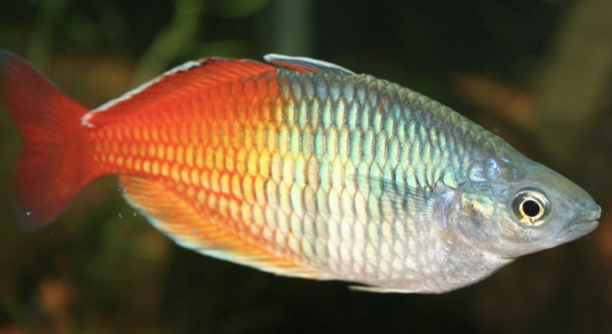
Rainbow fish are known for their vibrant colors and are popular in aquariums. Many aquarium owners wonder if the background color of their tank affects how these fish behave and thrive.
Research suggests that rainbow fish may respond better to darker backgrounds. A darker environment can make their colors stand out more, potentially reducing stress and making them feel more secure. However, other factors also play a role.
Understanding how background color affects your rainbow fish can help you create an ideal environment. It’s important to look at different aspects of their habitat, from water quality to the lighting conditions.
Why Does the Background Matter for Rainbow Fish?
Rainbow fish are naturally drawn to environments where they feel safe and secure. A dark background in an aquarium can provide a sense of calm and prevent overstimulation. Fish in a brightly lit or too-busy setting might become stressed or shy away from interacting with their surroundings. The darker background helps them feel more comfortable and confident, allowing their vibrant colors to stand out. This is particularly important for rainbow fish, as they rely on their colors to communicate and establish dominance or attract mates.
The right background also helps fish stay relaxed and focused on their immediate environment, such as food or potential mates. A peaceful, darker setting can prevent them from being distracted by external factors like movement in the room. Over time, fish who feel secure are likely to thrive better and exhibit more natural behaviors.
When creating an aquarium for rainbow fish, it’s important to consider other elements like lighting and water quality. However, providing a darker backdrop can be one of the easiest and most effective ways to improve their overall well-being.
The Impact of Lighting on Rainbow Fish
Lighting is a key factor in setting up an aquarium for rainbow fish. While a dark background may help, the intensity of the light plays a big role in their overall comfort. A well-balanced light source can enhance the fish’s natural colors, creating an appealing display without causing stress.
Rainbow fish generally thrive in aquariums with moderate to low lighting. Intense or harsh lighting may make them feel exposed and uncomfortable, leading to changes in behavior like hiding or excessive swimming. Therefore, using dimmer lighting paired with a darker background can result in a healthier and more vibrant tank. Experimenting with different types of lights, like LED or fluorescent, can help find the best match for both the fish and their environment.
The goal is to create a calm space that enhances your fish’s natural beauty while maintaining their comfort. Keep in mind that every fish is unique, so observing their response to changes in lighting is key.
Other Environmental Factors That Affect Rainbow Fish
While a dark background can help, several other environmental factors impact the well-being of rainbow fish. Water temperature, oxygen levels, and pH balance are all critical to their health. Keeping these factors in check is essential for creating a habitat where rainbow fish can thrive.
Fish that live in stable, well-maintained tanks tend to show more natural behaviors. Rainbow fish are sensitive to sudden changes in their environment. A stable water temperature, around 72-79°F, helps prevent stress. Regular water changes and testing ensure the water remains clean and the right pH levels are maintained. Fish that are well cared for are more likely to display their full range of colors and socialize. This environment supports healthy growth and lessens the likelihood of illness or stress.
Even with the perfect background, a fluctuating or dirty environment can negate the benefits. Proper filtration systems, regular maintenance, and monitoring water quality are just as important as setting up the right background. A well-rounded aquarium setup is the key to getting the best results for your rainbow fish.
The Role of Tank Size and Space
Tank size directly impacts the behavior of rainbow fish. Crowded tanks can cause stress, reduce movement, and affect the fish’s natural color display. Providing enough space helps them feel secure and promotes healthy interactions with other fish.
Rainbow fish require space to swim freely. A larger tank, usually around 30 gallons or more, gives them the room they need to thrive. When fish are cramped, they can become aggressive or overly shy, making it harder for them to show their full beauty. Ample space allows for natural social structures, whether they are schooling together or interacting with their environment. By ensuring your fish have enough room, you are fostering an environment that supports both physical health and emotional well-being.
Making sure the tank is large enough is one of the simplest ways to improve your fish’s quality of life. Additionally, consider using plants or decorations to create hiding spots and swim paths that mimic the fish’s natural habitat.
The Influence of Tank Decorations
Tank decorations can make a big difference in how rainbow fish behave. Using plants, rocks, and other elements in the tank provides hiding spots and makes the fish feel more secure. These decorations offer a place for fish to retreat, reducing stress and encouraging natural behavior.
Adding plants or rocks can also replicate the environment rainbow fish are used to in the wild. This enhances their comfort and allows them to explore their space. Fish enjoy swimming through plants or around decorations, as it mimics the movement they would experience in their natural habitat. This added stimulation helps improve their overall well-being.
Creating a tank with plenty of areas for your rainbow fish to explore and hide will make a noticeable difference in their happiness and health.
The Importance of Tank Maintenance
Maintaining a clean and stable tank is crucial for rainbow fish. Regular water changes and cleaning help prevent harmful bacteria from building up. Keeping the tank environment consistent ensures your fish stay healthy and active.
A clean tank supports the overall health of your rainbow fish. When water conditions are well-maintained, fish can thrive, showing off their natural colors and active behaviors. This includes ensuring the tank is free of algae, debris, and waste, which can stress the fish. Regular maintenance is a simple but necessary part of fishkeeping.
The Effect of Water Flow on Rainbow Fish
Rainbow fish prefer moderate water flow. Too strong a current can make them feel unsafe or stressed, while too little flow can reduce oxygen levels. A balanced water flow encourages natural swimming patterns and keeps them active.
Moderate flow provides the right conditions for rainbow fish. In the wild, they are used to rivers and streams with a steady but gentle current. Replicating this with a filter or pump ensures they have the appropriate water movement to stay healthy. Without it, they may become lethargic or unwilling to swim.
FAQ
Do rainbow fish need a dark background to thrive?
While rainbow fish don’t necessarily require a dark background to survive, it can enhance their colors and reduce stress. Dark backgrounds make their vibrant hues pop, giving them a more relaxed environment. A calming backdrop helps rainbow fish feel less exposed, which can make them more comfortable. However, the fish will do just fine in lighter settings if other factors, such as water quality and tank size, are well-maintained.
What type of lighting is best for rainbow fish?
Rainbow fish do well with moderate lighting. Too much light can stress them out, especially if the tank has a bright, busy background. Low to medium-intensity lighting is ideal for promoting their natural behaviors. Dim lighting paired with a dark or neutral background can create an environment that mimics the fish’s natural habitat. You should also use lighting that doesn’t flicker or change rapidly to avoid stressing your fish.
How often should I change the water for my rainbow fish?
Rainbow fish require clean water to stay healthy. A 25% water change every two weeks is a good rule of thumb for most tanks. If you have a heavily stocked aquarium or more waste-producing fish, you may need to increase the frequency of water changes. Regular water testing is also crucial to ensure the right balance of pH, ammonia, nitrites, and nitrates. Clean water supports both physical health and vibrant color display in rainbow fish.
What size tank is suitable for rainbow fish?
Rainbow fish need ample space to swim and thrive. A minimum of a 30-gallon tank is recommended for a small group of rainbow fish. This gives them enough room to move freely and reduces stress. If you plan to keep multiple species of fish, consider a larger tank to avoid overcrowding. Proper space is key to promoting healthy behavior and vibrant colors in your fish.
Can rainbow fish live with other types of fish?
Rainbow fish are generally peaceful and can coexist with other non-aggressive fish. They do well with other species that are similar in size and temperament. Avoid housing them with overly aggressive or fin-nipping species, as this could cause stress or injury. Good tankmates include tetras, rasboras, and peaceful bottom dwellers like Corydoras. Make sure to maintain a balanced tank to ensure all fish can coexist happily.
Do rainbow fish need a lot of plants in their tank?
While rainbow fish enjoy having plants in their tank, they don’t necessarily require a heavily planted environment. Plants offer hiding spots and help simulate their natural habitat. However, it’s more about providing a comfortable, enriching space. If you include plants, ensure they’re well-maintained and don’t overrun the tank. Some plants also help with water filtration, improving overall water quality.
How can I tell if my rainbow fish are stressed?
Stressed rainbow fish may exhibit several signs, including faded colors, erratic swimming, hiding frequently, or not eating. If they seem lethargic or spend too much time near the tank surface gasping for air, it could be a sign of stress or poor water quality. Pay attention to changes in behavior and try to identify the source of stress, whether it’s water quality, tankmates, or environmental factors like lighting and background.
What temperature should my rainbow fish tank be?
Rainbow fish thrive in a temperature range between 72-79°F (22-26°C). Consistent water temperature is important for their health and comfort. Sudden temperature fluctuations can stress the fish and make them more vulnerable to illness. Use a reliable aquarium heater to maintain a stable environment, and always monitor the water temperature with a thermometer.
Do rainbow fish need a filter?
Yes, rainbow fish need a filter to keep their water clean and healthy. A good filter helps maintain proper water flow, removes excess waste, and promotes oxygenation. However, ensure the filter’s flow rate is suitable for your tank size and fish. Too strong of a current can stress your rainbow fish, so choose a filter with adjustable settings if possible.
Are rainbow fish sensitive to water pH?
Rainbow fish prefer a slightly acidic to neutral pH range of 6.5 to 7.5. Extreme pH fluctuations can cause stress or health issues. Regular water testing will help you maintain the right pH levels. If necessary, you can adjust the pH with commercially available products or by making small, gradual changes to the water. Stable conditions are key to a happy, healthy fish.
How can I encourage my rainbow fish to breed?
To encourage breeding, provide ideal conditions: stable water temperature (around 75-78°F), clean water, and ample space. Rainbow fish are often more likely to breed in groups, so keeping a few males and females together can help. Adding live plants and soft substrates gives them a place to lay eggs. Separate the breeding pair after spawning to protect the eggs from being eaten.
Do rainbow fish need a lot of attention?
Rainbow fish are relatively low-maintenance compared to other species. They don’t require constant attention but do benefit from regular tank checks and water changes. Providing a stable and clean environment, as well as monitoring their health, is important. They enjoy a well-maintained tank with good water quality, and they will do well with occasional observation.
Can rainbow fish be kept with shrimp?
Rainbow fish can be kept with shrimp, but caution is needed. Smaller or younger shrimp may become prey for larger, more aggressive rainbow fish. However, if you have a peaceful setup with adequate hiding spots, they can live together. It’s best to choose shrimp species that are large enough to avoid being eaten, such as Amano or Cherry shrimp.
Final Thoughts
Rainbow fish can thrive in a variety of environments, but the setup of their tank plays a significant role in their overall well-being. While a dark background can make their vibrant colors stand out, it’s not the only factor that affects their happiness. Water quality, tank size, and proper lighting are also essential elements to consider when creating the perfect home for rainbow fish. A balanced environment helps reduce stress and encourages natural behaviors, allowing them to thrive.
It’s important to keep in mind that every rainbow fish is unique. Some may respond better to darker backgrounds, while others may not show a noticeable difference. What matters most is maintaining a stable and clean environment. Consistent water changes, the right temperature, and careful monitoring of the tank’s pH levels all contribute to the health of your fish. Tank decorations and plants can also improve the atmosphere by giving your rainbow fish space to explore and feel secure. Ensuring your fish have enough room to swim freely is crucial, as overcrowding can lead to stress and poor health.
Creating an environment that mimics the rainbow fish’s natural habitat will help them feel comfortable and show off their natural beauty. A peaceful tank setup, with appropriate lighting, water flow, and tankmates, will allow your fish to live a long and healthy life. By paying attention to their needs, you can enhance their overall experience and enjoy the vibrant colors they bring to your aquarium.

Hello,
If you enjoy the content that we create, please consider saying a "Thank You!" by leaving a tip.
Every little bit helps us continue crafting quality advice that supports the health, happiness, and well-being of pets around the world, for pets of all shapes, sizes, and species.
We really appreciate the kindness and support that you show us!