
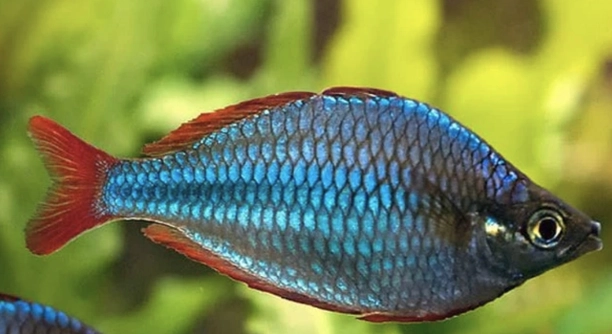
Rainbow fish are a popular choice for aquariums, and observing their behavior can be quite fascinating. One aspect that may catch your attention is how they behave after feeding.
Rainbow fish typically display a shift in activity after feeding. They may become more energetic or relaxed, depending on their individual temperament and the environment. This change is a natural response to being nourished.
These shifts can help you understand their habits better and ensure they thrive in your aquarium.
What Happens to Rainbow Fish After Feeding?
Rainbow fish exhibit different behaviors after feeding, often influenced by their environment. Some become more active, swimming around the tank with enthusiasm. Others might become more passive, hanging near the substrate or in sheltered areas. This behavior is not just about digestion; it also reflects their comfort level and energy reserves.
Feeding is an essential part of their daily routine, and like most fish, their post-meal actions are driven by the availability of food and the conditions in the tank. In some cases, they may also show signs of social behavior, interacting with other fish in the tank.
Observing these changes helps aquarium owners maintain a balanced and healthy environment for their fish. Over time, you can notice patterns in how your rainbow fish behave after meals. If they become overly lethargic, it could indicate issues like overfeeding or water quality concerns. Monitoring their actions gives valuable insights into their well-being and can guide adjustments for optimal care.
Factors Influencing Post-Feeding Behavior
Post-feeding behavior can change depending on the type of food provided and the amount given.
Fish that consume high-protein foods might become more active after eating, while those fed with more plant-based diets might be less energetic. This could be due to the way their bodies process the nutrients. Too much food can cause discomfort or sluggishness, while smaller meals tend to keep them active.
Changes in Activity Levels
After feeding, rainbow fish may show increased activity, particularly if they are fed smaller, more frequent meals. This is usually a sign of their bodies responding positively to the food and staying energized. Larger meals, on the other hand, can leave them less active as they focus on digestion.
It’s important to recognize these patterns as they help determine the right feeding schedule. If the fish are too lethargic after meals, it could indicate that they’re being overfed or the food is too heavy for them to process quickly. Keeping an eye on their behavior allows you to adjust their diet and feeding times to maintain their health.
Rainbow fish have a tendency to follow each other when eating, showing that they are social feeders. After a meal, some may linger near the food source or swim together in small groups. This behavior strengthens their social bonds and provides a sense of security within the aquarium environment.
Impact of Tank Environment
The environment of the tank can greatly affect how rainbow fish behave after feeding. Tanks that are too crowded or have poor water quality may cause stress, leading to a decrease in activity levels post-feeding. Clean, well-maintained tanks encourage active, healthy behavior in your fish.
Good filtration, proper water temperatures, and balanced water chemistry create a more comfortable setting for your rainbow fish, allowing them to focus on eating and interacting with other tank mates instead of being distracted by their environment. If they feel safe, they are more likely to be active and healthy after meals. A quiet, peaceful environment contributes to their overall well-being, encouraging natural behaviors like swimming, exploring, and interacting with other fish.
Feeding Frequency and Behavior
Feeding rainbow fish too frequently can lead to overfeeding, which can affect their post-meal activity. Smaller, more regular feedings are ideal, allowing them to stay energized without overloading their digestive system.
When fed properly, rainbow fish typically show a boost in activity after smaller meals. They are more likely to swim around the tank, exploring their environment and engaging with other fish. This behavior indicates they are receiving enough nutrients without the stress of being overfed.
Food Type and Fish Behavior
The type of food you offer impacts your rainbow fish’s post-feeding behavior. High-protein foods can make them more energetic, while plant-based diets often lead to calmer, less active behavior. It’s essential to vary their diet for balanced health.
By adjusting their food type, you can see changes in their post-meal energy. Protein-rich foods like brine shrimp can make them swim actively for a while after eating. On the other hand, plant-based foods may encourage slower digestion, resulting in a more relaxed post-meal period.
Observing Changes in Health
Monitoring post-meal behavior can help detect any underlying health issues. If the fish remain unusually still after eating, it could indicate an imbalance in their diet or an issue with the tank environment.
FAQ
Why do rainbow fish become more active after feeding?
Rainbow fish may become more active after feeding due to the energy boost they get from their meals. After consuming food, their bodies use the nutrients to fuel movement and engage in social interactions with other fish. This behavior is typically seen in fish that are well-fed and healthy. The increased activity is often a sign that the fish are properly nourished and comfortable in their environment. If they remain lethargic or disinterested in their surroundings after meals, it may indicate overfeeding or other health concerns.
Can rainbow fish show signs of stress after feeding?
Yes, rainbow fish can show signs of stress after feeding if the conditions are not ideal. Stress can result from overcrowded tanks, poor water quality, or improper feeding practices. If rainbow fish become stressed after meals, they might exhibit sluggish behavior, hide more often, or show signs of discomfort like clamped fins. Stress can also suppress their immune system, making them more vulnerable to diseases. Monitoring their behavior and ensuring a stable environment is crucial for their well-being.
How often should I feed my rainbow fish?
Feeding rainbow fish once or twice a day is generally recommended. Overfeeding can lead to obesity and poor water quality, as uneaten food will decompose. Smaller, more frequent meals are better than large, infrequent feedings. The key is to offer enough food to satisfy their hunger without leaving excess food in the tank. A feeding schedule that consists of a small portion in the morning and another in the evening works well for most rainbow fish.
What type of food should I feed rainbow fish?
Rainbow fish thrive on a varied diet that includes both protein and plant-based foods. High-quality fish flakes or pellets provide essential nutrients, while occasional treats like brine shrimp, daphnia, or bloodworms can add protein. You can also offer finely chopped vegetables like spinach or zucchini. A diverse diet ensures your rainbow fish receive the necessary nutrients for health and vibrant coloration.
Can rainbow fish overeat?
Yes, rainbow fish can overeat if they are given too much food at once. Overfeeding can lead to obesity, digestive problems, and poor water quality due to uneaten food decomposing in the tank. It’s important to feed them only what they can consume in a few minutes and adjust the amount based on their size and activity level. Overeating also impacts their post-feeding behavior, making them sluggish or less social.
How can I tell if my rainbow fish are eating enough?
Rainbow fish should appear active and healthy if they are eating enough. They will eagerly approach the food during feeding time and consume it within a few minutes. If you notice that your fish are losing weight, are less active, or show signs of malnutrition like faded colors, it could be a sign they are not eating enough. Additionally, monitor their waste output. Healthy fish produce regular, firm waste, indicating proper digestion.
Can I feed my rainbow fish live food?
Yes, feeding rainbow fish live food can be beneficial. Live food like brine shrimp, daphnia, or mosquito larvae can provide extra protein and encourage natural hunting behavior. However, it’s essential to ensure that the live food is safe and free of parasites or contaminants. Live food should be given in moderation, as part of a balanced diet that also includes flakes or pellets.
How do rainbow fish behave after eating too much?
Rainbow fish that have overeaten may show signs of sluggishness or discomfort after meals. They might retreat to quieter areas of the tank, become less social, or exhibit labored swimming. Overeating can lead to digestive issues, which affect their behavior. If this occurs frequently, it’s important to adjust the feeding amounts and frequency to ensure the fish are receiving an appropriate amount of food.
Why do rainbow fish sometimes hide after eating?
Rainbow fish may hide after eating if they feel stressed, overwhelmed, or insecure. This can happen if the tank is too crowded, the water quality is poor, or they feel threatened by other tank mates. Hiding after meals is not typical behavior for healthy fish, so if this happens regularly, it’s important to assess the tank environment and feeding schedule. Stress is a common factor in this behavior.
Do rainbow fish interact with each other after feeding?
Yes, rainbow fish often interact with each other after feeding. They are social fish and tend to swim together in schools, especially after meals. This interaction helps reinforce social bonds and allows the fish to feel more secure in their environment. However, the level of interaction can vary depending on the individual fish’s personality and the size of the tank. If there are aggressive fish in the group, it could affect the dynamics after feeding time.
Final Thoughts
Rainbow fish, like many other species, are greatly affected by their feeding habits and the environment they live in. Their activity levels after feeding can reveal much about their overall health and well-being. By paying attention to how your fish behave after meals, you can make necessary adjustments to their feeding schedule or tank conditions. This will ensure they remain healthy, active, and comfortable in their environment. Maintaining a regular, balanced feeding routine is crucial for their long-term health and vibrant coloration.
Feeding rainbow fish properly also involves understanding the different factors that influence their post-meal behavior. Overfeeding can lead to sluggishness, stress, and even health issues. Offering smaller, more frequent meals helps to keep them energized and reduces the risk of overfeeding. Additionally, variety in their diet is essential for their health. A mix of protein and plant-based foods will help maintain their nutrition, allowing them to remain active and healthy. Regularly observing their behavior after meals can give insight into whether their feeding habits need to be adjusted.
The tank environment plays a significant role in how rainbow fish behave after feeding. Poor water quality, overcrowded tanks, and insufficient hiding spots can lead to stress, which may cause the fish to act differently than usual. Creating a peaceful, clean, and well-maintained environment ensures that your fish are comfortable and healthy. Proper care, including the right feeding schedule and tank conditions, is essential for fostering the natural behaviors of rainbow fish. A balanced approach to their diet and living conditions is key to keeping them vibrant and active.

Hello,
If you enjoy the content that we create, please consider saying a "Thank You!" by leaving a tip.
Every little bit helps us continue crafting quality advice that supports the health, happiness, and well-being of pets around the world, for pets of all shapes, sizes, and species.
We really appreciate the kindness and support that you show us!