
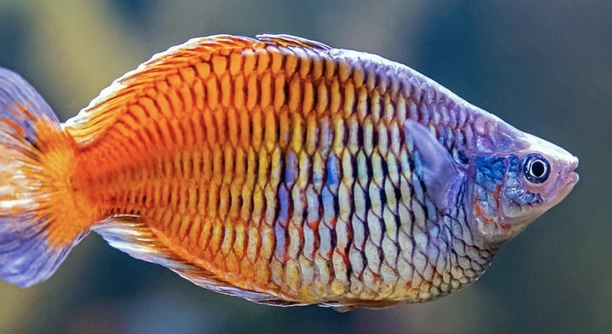
Rainbow fish are beautiful and captivating, but they can be sensitive to their environment. A few simple mistakes in setting up their tank can cause stress, affecting their health and happiness. Proper care is essential to avoid common issues.
The most common setup mistakes that stress rainbow fish are improper tank size, poor water quality, inadequate hiding spots, and improper tank mates. Each of these factors can cause discomfort and potentially harm your fish if not addressed.
Understanding these factors will help create a stress-free environment for your rainbow fish, ensuring they thrive and remain healthy in their tank.
1. Incorrect Tank Size
When setting up a tank for rainbow fish, size matters. These fish need plenty of space to swim around comfortably. A tank that’s too small will create stress, limiting their natural behavior and affecting their health. For a group of rainbow fish, a minimum of 30 gallons is recommended. If you’re keeping more than one species, you’ll need even more space. When fish feel cramped, they often exhibit signs of stress, such as hiding or displaying erratic behavior. A larger tank allows for better water quality, better oxygen circulation, and a more stable environment overall.
Choosing the right tank size is crucial for the long-term health of your rainbow fish. It provides the space needed for exercise and reduces stress levels.
If your tank is too small, the water quality will deteriorate faster. It’s harder to maintain a stable environment in smaller tanks, which can lead to rapid fluctuations in temperature and pH. This instability can cause stress and illness.
2. Poor Water Quality
Rainbow fish are sensitive to water quality, and even minor changes can cause stress. Ensure that your tank has proper filtration to maintain clean water. Perform regular water changes to keep ammonia and nitrate levels low. Poor water quality can lead to skin lesions, difficulty breathing, and lethargy.
Maintaining a proper water filtration system keeps toxins in check and reduces the stress on your fish. A good filter will also help maintain consistent water temperature and oxygen levels.
Test the water regularly to ensure it’s within the correct range for rainbow fish. If your water has too many impurities, they will likely become stressed, which could lead to disease. Regular water changes are key to preventing this.
3. Inadequate Hiding Spots
Rainbow fish appreciate having hiding spots in their tank. These places give them a sense of security, especially when they feel stressed or threatened. Without them, your fish will likely become anxious, leading to more erratic behavior or even aggression. Adding plants, rocks, or decorations that provide shelter will help.
In the wild, rainbow fish seek out areas where they can hide from predators. Replicating this in your tank reduces their stress levels. Using natural materials like plants or driftwood helps mimic their natural habitat, making them feel more comfortable.
A lack of hiding spots may also cause your fish to feel exposed. This stress can weaken their immune system, making them more vulnerable to diseases. Creating safe spaces allows your rainbow fish to swim freely and feel at ease.
4. Poor Tank Mates
Choosing the right tank mates for your rainbow fish is vital to their well-being. Aggressive or overly active fish can create a stressful environment, leaving your rainbow fish constantly on edge. Make sure to select peaceful, compatible species that won’t compete for space or food.
Rainbow fish thrive in peaceful community tanks. When housed with compatible fish, they become more relaxed and display their natural, vibrant colors. Be mindful of tank mates that may nip at their fins or invade their territory. These actions can stress your fish, leading to health problems.
Consider species that enjoy similar water conditions and behaviors. It’s important to find a balance in the tank to avoid aggression or competition. Proper tank mates allow rainbow fish to feel secure and encourage a harmonious environment.
5. Fluctuating Water Temperature
Rainbow fish thrive in stable temperatures. Rapid temperature changes can cause stress and even lead to illness. Maintaining a consistent temperature between 75°F and 80°F is ideal for these fish. Use a reliable heater and thermometer to keep things steady.
Temperature swings can affect the fish’s metabolism, causing lethargy and weak immune systems. This makes them more susceptible to diseases. Installing a good heater with an adjustable thermostat will ensure a more stable environment.
A sudden drop in temperature can also lead to shock. Avoid placing your tank in areas where the temperature fluctuates too much, like near windows or air conditioning units. Stability is key for keeping your rainbow fish healthy.
6. Overcrowding
Overcrowding is another stress factor for rainbow fish. Too many fish in a small space can lead to poor water quality and increased aggression. This causes the fish to feel threatened and can even result in physical harm. Always follow the recommended stocking limits for your tank.
Ensuring enough space for each fish is crucial. Overcrowded tanks often have issues like high ammonia levels, low oxygen, and poor circulation. These conditions make it harder for rainbow fish to thrive, leading to stress and potential disease outbreaks.
It’s important to provide a peaceful, spacious environment where your rainbow fish can swim freely. When overcrowded, they’re more likely to display signs of aggression or retreat into hiding spots. Proper stocking levels reduce these risks and help create a healthier habitat.
FAQ
What size tank do rainbow fish need?
Rainbow fish need a tank that provides enough space for them to swim comfortably. A minimum of 30 gallons is recommended for a small group of fish. If you plan to keep multiple species, a larger tank is necessary. This size helps maintain better water quality and allows the fish to move around freely. A cramped tank will stress the fish and lead to health issues, so it’s always better to go bigger if you have the space.
Can rainbow fish live with other species?
Yes, rainbow fish can live with other species, but compatibility is key. Choose peaceful species that won’t compete for food or territory. Avoid keeping them with aggressive fish or those that nip fins, as it will create unnecessary stress. Species like tetras, catfish, and small peaceful gouramis make good tank mates.
How often should I change the water in my rainbow fish tank?
Water changes are essential to maintain a healthy environment for your rainbow fish. Typically, you should change 20% to 30% of the water every week or two, depending on your tank size and fish load. This helps remove waste and toxins that build up, keeping the water clean and preventing stress.
What is the ideal water temperature for rainbow fish?
Rainbow fish thrive in a temperature range between 75°F and 80°F (24°C – 27°C). Keeping the water at a consistent temperature is crucial for their health. Fluctuations in temperature can cause stress and make them more susceptible to diseases. Use a reliable heater and thermometer to maintain a stable environment.
Do rainbow fish need a filter?
Yes, rainbow fish require a filter to maintain water quality. A good filtration system removes toxins, excess food, and waste products from the water. This reduces the risk of poor water quality, which can lead to stress or illness. Choose a filter that’s suitable for the tank size and flow rate that won’t overwhelm the fish.
Can rainbow fish live in freshwater?
Rainbow fish are freshwater fish and should be kept in freshwater tanks. They are not suitable for brackish or saltwater environments. It’s important to replicate their natural freshwater habitat, which includes stable water parameters, adequate oxygen levels, and good filtration. Keeping them in freshwater will ensure their long-term health and happiness.
What type of plants should I have in a rainbow fish tank?
Rainbow fish enjoy a well-planted tank with plenty of greenery. Plants provide hiding spots, improve water quality, and mimic their natural habitat. Live plants like java fern, Amazon sword, and water wisteria are great choices. They also help keep the water clean by absorbing excess nutrients.
How many rainbow fish should I keep together?
Rainbow fish are social creatures, and it’s best to keep them in groups of at least six. Keeping them in groups allows them to feel secure, reduces stress, and promotes natural schooling behavior. In smaller groups, rainbow fish can become more territorial or shy, so a larger group is always preferable.
Can rainbow fish eat flake food?
Yes, rainbow fish can eat flake food, but it should be supplemented with other types of food for a balanced diet. High-quality pellets, frozen or live foods like brine shrimp or bloodworms, and vegetables should be added to their diet. Offering a variety of foods ensures they get all the necessary nutrients.
What should I do if my rainbow fish are showing signs of stress?
If your rainbow fish show signs of stress, first check the water quality. Test for ammonia, nitrite, nitrate, and pH levels. Ensure the tank has enough hiding spots and isn’t overcrowded. If the water quality is fine, look for potential stressors, like aggressive tank mates or fluctuating temperature. Removing any stress factors and providing a peaceful environment can help.
How do I prevent diseases in my rainbow fish?
To prevent diseases, maintain excellent water quality, provide a balanced diet, and avoid overcrowding. Quarantine new fish before introducing them to the tank to prevent the spread of disease. Keep the tank clean by performing regular water changes and removing any uneaten food promptly.
Do rainbow fish need a lot of light?
Rainbow fish enjoy moderate lighting, but it should not be too intense. Providing around 8 to 10 hours of light per day is usually ideal. Too much light can cause algae growth, while too little can make the fish feel insecure. It’s also important to have areas in the tank with dim lighting, where they can retreat when needed.
Are rainbow fish good for beginners?
Rainbow fish can be a good choice for beginners as long as the tank setup is appropriate. They are hardy and relatively easy to care for, provided their water parameters and tank conditions are maintained. If you’re new to fishkeeping, start with a basic setup, and keep an eye on water quality and temperature.
What can cause rainbow fish to lose their color?
Loss of color in rainbow fish is often a sign of stress or poor health. Factors like poor water quality, temperature fluctuations, or inadequate diet can cause fading colors. Make sure to keep the tank clean, maintain a stable environment, and provide a varied, nutritious diet to help them maintain their vibrant hues.
Final Thoughts
Rainbow fish are beautiful and resilient creatures that can thrive in a well-maintained tank. By ensuring their environment is stable and their needs are met, these fish can live long, healthy lives. Proper tank size, water quality, and suitable tank mates are essential to reduce stress and promote their well-being. Understanding their natural behaviors and preferences is key to creating a peaceful habitat where they feel secure and comfortable.
Maintaining a proper balance in the tank is crucial for the health of rainbow fish. The right water temperature, filtration, and consistent care all play important roles in keeping these fish stress-free. By addressing common stress factors such as overcrowding, poor water conditions, and inappropriate tank mates, you can ensure a peaceful, thriving community in your aquarium. Regular maintenance, such as water changes and checking the filter, will help avoid many potential issues.
In the end, keeping rainbow fish is a rewarding experience when you create an environment that meets their needs. With the right care, they will bring vibrant colors and lively movement to your aquarium. By being mindful of the factors that cause stress, you can ensure that your rainbow fish stay healthy and continue to thrive for years to come. A little attention to detail goes a long way in maintaining their happiness and well-being.

Hello,
If you enjoy the content that we create, please consider saying a "Thank You!" by leaving a tip.
Every little bit helps us continue crafting quality advice that supports the health, happiness, and well-being of pets around the world, for pets of all shapes, sizes, and species.
We really appreciate the kindness and support that you show us!