
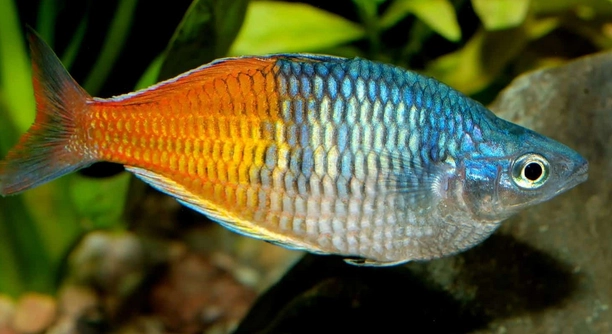
Rainbow fish are known for their bright colors and unique schooling behavior. However, if you’re finding that your rainbow fish aren’t schooling as expected, you’re not alone. Many fishkeepers face this issue at some point.
The main reason your rainbow fish won’t school typically results from stress or environmental factors. Changes in tank conditions, improper water quality, or even incompatible tankmates can prevent your fish from forming their usual tight-knit groups.
Several factors can impact your rainbow fish’s social behavior. Understanding these issues will help you create an environment where your fish can thrive and display their natural schooling habits.
Stress and Water Conditions
One of the primary reasons your rainbow fish might not be schooling is stress caused by poor water quality. These fish are sensitive to changes in their environment. A sudden shift in water temperature, pH, or ammonia levels can make them uneasy, disrupting their natural behavior. If the water conditions aren’t ideal, rainbow fish may scatter instead of schooling together. They thrive in stable environments with consistent water parameters, so it’s important to regularly check the water conditions. Monitoring these levels can make a significant difference in keeping your fish calm and comfortable.
Even minor fluctuations can lead to significant stress. If the water conditions aren’t correct, your fish will naturally avoid one another and may act more timid or skittish. Stress can also weaken their immune systems, making them more vulnerable to illness. It’s essential to have reliable filtration and perform regular water changes to keep your fish healthy.
Rainbow fish are highly adaptable, but they still need proper care. Keeping their environment stable will encourage them to feel secure and school naturally. If you haven’t already, invest in a good water test kit and adjust the tank as needed.
Incompatible Tankmates
Your rainbow fish may be avoiding their schooling behavior due to tankmates that aren’t compatible. Aggressive or territorial fish can create tension in the tank, which discourages the social nature of rainbow fish.
Rainbow fish are peaceful, but they can become stressed if they’re sharing space with overly aggressive or large fish. Tankmates that are overly territorial might chase the rainbow fish away, causing them to scatter or hide. It’s essential to research fish species before adding them to the tank. While rainbow fish can coexist with many species, they need peaceful companions that won’t stress them out.
Adding species that are calm and gentle will allow your rainbow fish to feel secure enough to school. If you have large or territorial fish, it might be worth considering rearranging the tank layout. This can help reduce aggression and give your rainbow fish space to interact.
Tank Size and Space
If your tank is too small, your rainbow fish may feel crowded and stressed. A cramped environment doesn’t provide enough room for them to feel comfortable. Rainbow fish need space to swim freely and socialize with one another.
A small tank can make it difficult for your fish to school, as they may not feel secure in such tight quarters. The more space you provide, the easier it is for them to form groups. Rainbow fish prefer larger tanks where they can explore different areas and interact with other fish.
When choosing a tank size, aim for at least 30 gallons for a small group of rainbow fish. This gives them enough room to swim in various directions, reducing stress and promoting their natural schooling behavior. Remember, they need both horizontal and vertical space to feel at ease.
Water Temperature and Consistency
Rainbow fish thrive in water temperatures between 72°F and 78°F. If the water is too cold or too warm, they may not feel comfortable enough to school. Consistent temperatures are also key to their well-being.
Fluctuations in water temperature can cause stress, leading to an unwillingness to school. If your tank’s heater isn’t functioning properly or the room temperature changes frequently, your rainbow fish may spread out to seek comfort. This behavior is a sign of unease. Maintaining a steady temperature will help them remain relaxed.
You can use a reliable aquarium thermometer to monitor the water temperature. If needed, adjust the heater and avoid placing your tank near drafty windows or air vents. A stable, moderate temperature makes all the difference in ensuring your rainbow fish feel safe enough to swim together.
Diet and Nutrition
If your rainbow fish are not getting the right nutrients, it can affect their behavior. A poor diet might lead to weaker immune systems and overall stress, which can discourage schooling.
Make sure to feed them a balanced diet of high-quality flakes, pellets, and occasional live food. A varied diet supports their health and promotes social interactions. Skipping proper nutrition can also cause them to become lethargic or more territorial, which might prevent schooling.
Offering fresh foods like brine shrimp or daphnia can also encourage natural behaviors, including swimming together in groups. Always remove excess food to avoid water quality issues.
Lighting and Tank Environment
Rainbow fish need stable lighting to feel secure and form groups. Harsh or erratic lighting can stress them out, causing them to scatter.
A soft, consistent light simulates their natural habitat and encourages peaceful behavior. Consider using a timer to keep the light cycle steady. Changes in lighting can lead to confusion, preventing the fish from schooling together. For optimal results, use moderate lighting that mimics day and night cycles.
FAQ
Why aren’t my rainbow fish schooling together?
Rainbow fish may not school due to various factors like stress, poor water conditions, or incompatible tankmates. Stress from changes in water temperature, pH, or ammonia levels can prevent them from feeling safe enough to group. Additionally, if tankmates are aggressive or territorial, rainbow fish may stay separated for protection. Inadequate space or overcrowding can also lead to individual behavior rather than schooling. To encourage schooling, ensure the water conditions are stable, the tank is large enough, and that the fish are kept with peaceful companions.
Can I force my rainbow fish to school?
You can’t force your rainbow fish to school, but you can create the right environment to encourage it. The fish will naturally school if they feel secure, have enough space, and are in stable water conditions. Consistent lighting and maintaining a peaceful tank environment will make them more likely to swim together. However, if environmental factors like stress, illness, or aggressive tankmates persist, schooling may not happen. Focus on providing optimal care, and give them time to adjust to their surroundings.
How do I know if my rainbow fish are stressed?
Signs of stress in rainbow fish include erratic swimming, hiding, loss of color, and not interacting with other fish. They might swim frantically near the surface or in one area of the tank. When stressed, rainbow fish may lose their vibrant colors and appear dull or pale. Stress can be caused by poor water conditions, improper lighting, or the presence of aggressive fish. Addressing these issues and improving the tank environment will help reduce stress and restore the fish’s normal behavior.
How can I improve water conditions for my rainbow fish?
To improve water conditions, start by checking the pH, temperature, ammonia, and nitrate levels. Rainbow fish thrive in water with a pH between 6.5 and 7.5 and a temperature of 72°F to 78°F. Regular water changes, filtration, and monitoring of these parameters are essential. Make sure your filter is functioning properly and isn’t creating strong currents that may disturb the fish. Using a water test kit regularly will help you catch any imbalances early on, ensuring a safe environment for your rainbow fish.
Do rainbow fish need to be in schools to be happy?
Rainbow fish are naturally social creatures and prefer to be in groups, but they can live individually if necessary. However, they will likely display better health, more vibrant colors, and active behavior when kept with others of their species. Keeping them in groups of at least 5-6 will reduce stress and help them feel secure. If you don’t have the space for a large group, even two or three rainbow fish can still be content, though they may not show their natural schooling behavior.
What tank size is ideal for rainbow fish?
Rainbow fish need adequate space to swim and feel comfortable. A minimum of 30 gallons is recommended for a small group, though larger tanks are always better. A bigger tank provides more room for fish to school and reduces the risk of overcrowding. A 50-gallon or larger tank would be ideal for keeping several rainbow fish, giving them ample space to interact with one another. Having enough room will help minimize stress and support their natural behaviors, including schooling.
Can rainbow fish live with other species?
Rainbow fish can live with many other peaceful species, such as tetras, catfish, and other community fish. However, they should not be kept with aggressive or territorial species, as this can cause stress and disrupt schooling behavior. It’s important to research the temperament of any new fish before adding them to your tank. Rainbow fish thrive when kept with calm, non-aggressive species that won’t disrupt their peaceful nature. Also, consider the size of the tank to ensure all species have enough space to coexist comfortably.
How often should I feed my rainbow fish?
Rainbow fish should be fed once or twice a day, offering only as much food as they can eat in 2-3 minutes. Overfeeding can lead to water quality issues and affect their behavior. It’s important to provide a balanced diet, including high-quality flakes, pellets, and occasional live or frozen foods like brine shrimp. A varied diet ensures they get the necessary nutrients for their health and helps encourage active and social behavior. Be sure to remove any uneaten food after feeding to maintain water quality.
Do rainbow fish require special lighting?
Rainbow fish do not require special lighting, but they do thrive under a regular light cycle that mimics day and night. Use moderate lighting to prevent stress caused by overly bright or fluctuating light. A timer can help maintain a consistent light schedule, ensuring the fish experience a natural day/night cycle. Too much light can lead to algae growth and stress, while too little light may cause the fish to become lethargic. Aim for 10-12 hours of light per day for optimal health.
Why are my rainbow fish losing color?
Rainbow fish may lose their vibrant colors if they are stressed, sick, or living in poor water conditions. Stress can come from environmental factors like fluctuating water temperature, pH, or the presence of aggressive tankmates. Poor nutrition or illness can also lead to a loss of color. To restore their brightness, ensure that the water quality is stable, their diet is well-balanced, and they are kept in a peaceful environment. Healthy fish will naturally regain their vibrant colors once the stressors are removed.
Final Thoughts
Rainbow fish are beautiful and social creatures that thrive when given the right environment. If your rainbow fish aren’t schooling together, it’s important to consider the factors that could be affecting their behavior. Water conditions, tankmates, and the tank size all play a significant role in their social habits. Stress, whether caused by poor water quality, temperature fluctuations, or aggressive companions, can cause rainbow fish to scatter instead of forming groups. Creating a stable environment that closely mirrors their natural habitat will help your fish feel more secure and promote their natural schooling behavior.
Tank size is another key consideration when it comes to your rainbow fish’s well-being. These fish need plenty of space to swim and interact with one another. A cramped tank can lead to stress and prevent them from schooling. Ideally, a larger tank offers more opportunities for them to swim freely and form groups. With enough space and the right water conditions, rainbow fish will feel more comfortable and will be more likely to school together. It’s also important to remember that rainbow fish do best in groups of their own species, so having a small group of 5 to 6 fish can help foster a sense of security and companionship.
Lastly, be patient and consistent with your care. It may take time for rainbow fish to adjust to their environment, especially if they’ve been exposed to stressors. Regular water changes, a balanced diet, and careful tank management will improve their overall health and encourage more natural behaviors, including schooling. By providing a peaceful, well-maintained aquarium with proper lighting, water temperature, and appropriate tankmates, you’ll give your rainbow fish the best chance to thrive and display their beautiful, social nature.

Hello,
If you enjoy the content that we create, please consider saying a "Thank You!" by leaving a tip.
Every little bit helps us continue crafting quality advice that supports the health, happiness, and well-being of pets around the world, for pets of all shapes, sizes, and species.
We really appreciate the kindness and support that you show us!