
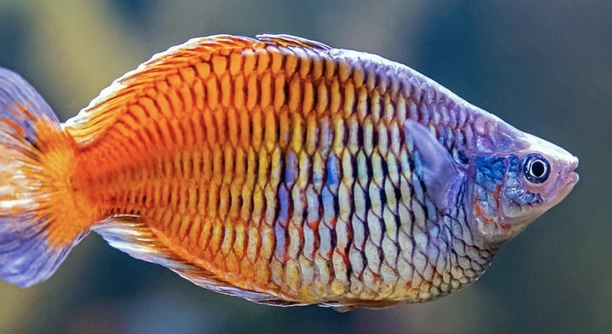
Rainbow fish are a beautiful addition to any aquarium, known for their vibrant colors. However, if you’re trying to identify their gender, it can be tricky without the right knowledge.
To tell if rainbow fish are male, look for differences in size, color, and fin shape. Males are typically smaller, with more intense colors and longer, more pointed fins compared to females.
Understanding these key traits will help you easily distinguish between male and female rainbow fish. Keep reading to learn more about identifying these stunning creatures.
Size Differences Between Male and Female Rainbow Fish
One of the most noticeable differences between male and female rainbow fish is their size. Males tend to be smaller than females, which can be helpful when trying to tell them apart. In general, males will be more compact and slender, while females will have a rounder, fuller body. This difference in size becomes especially apparent when both sexes are placed side by side. For example, when the fish are ready to breed, males are often visibly smaller as they try to show off their vibrant colors to attract females.
While size is not the only factor, it plays a significant role in identifying rainbow fish. As the fish mature, males tend to remain smaller throughout their lifespan. Keep in mind that this size difference may not be immediately obvious in younger fish, but as they grow, it becomes more apparent.
Understanding the size difference between male and female rainbow fish will help you identify them more easily. If you have a mix of male and female fish in your tank, knowing this feature can make your aquarium setup more enjoyable.
Coloration Variations Between Males and Females
Another key difference is the coloration. Male rainbow fish often have brighter, more intense hues than females.
In their natural habitat, males use their vivid colors to attract mates, and these colors can vary depending on the species. The vibrancy can be seen in the fins, body, and even the tail. On the other hand, females have a more subdued color pattern, with duller shades of the same colors found on the males. This helps distinguish between the sexes, especially when the fish are in close proximity to each other. Males may also display colorful patterns that stand out even more when they are excited or during mating rituals.
Knowing how to spot these color differences can be extremely helpful, especially when observing your rainbow fish in the tank. You’ll begin to notice that the males seem to stand out more, thanks to their vibrant appearance.
Fin Differences Between Males and Females
Male rainbow fish often have longer, more pointed fins compared to females. These fins can appear to be more pronounced and can be a distinguishing feature. When males are ready to breed, their fins may look even longer or more colorful.
The long, sharp fins are often used in mating displays, where males spread their fins wide to attract females. This feature is particularly noticeable during the breeding season. On the other hand, females usually have shorter, more rounded fins. As the fish grow, the difference in fin shape becomes easier to spot, especially when males are in their prime.
Understanding fin differences between the sexes will make identification much simpler. This characteristic is easy to observe as the fish move around the tank, giving you a quick way to spot the males. Watching how their fins move during displays can also highlight their gender.
Behavior Differences Between Males and Females
Male rainbow fish tend to be more active and display more aggressive behavior than females.
Males often swim faster and may chase one another, especially when competing for a mate. This can be seen during breeding seasons when males are more territorial and show off their colors. On the other hand, females are generally more reserved and swim at a slower pace. Their behavior remains calm, and they typically avoid confrontations. While males are often more visible as they compete or court females, females stick to the background, allowing males to dominate the more active areas of the tank.
Recognizing these behavior patterns will help you identify which fish is male or female. By watching how your fish interact, you can easily tell the difference. The males’ active, attention-seeking behavior is a clear indication of their gender.
Breeding Season Differences
During the breeding season, male rainbow fish undergo a noticeable transformation. They often become more vibrant and active, with their colors appearing more intense. This seasonal change helps males attract females. Females, however, tend to remain relatively unchanged.
This shift in coloration and behavior is an easy way to tell males from females, especially when breeding occurs. As the males become brighter, they showcase their fins and colors, making it clear which ones are seeking mates. Watching for these changes during breeding times can make gender identification easier.
The Role of Body Shape
Males typically have a more streamlined, slender body compared to females. This difference helps them swim faster and be more agile during mating displays.
The shape of their body is a result of their more active behavior. In contrast, females have a rounder, fuller body that is better suited for carrying eggs. This shape difference becomes more apparent as the fish mature, especially when they are side by side.
Age as an Indicator
As rainbow fish age, the differences between males and females become more pronounced. Younger fish may look similar, but the characteristics mentioned earlier become clearer with age.
As males mature, their colors become brighter, and their fins longer. Females, however, will remain larger with a fuller, rounder shape. Knowing these age-related traits will help you distinguish the sexes as they grow older.
FAQ
How can I tell if my rainbow fish is male or female when they are young?
When rainbow fish are young, it can be difficult to differentiate between males and females. The size and color differences aren’t as obvious at first, but as they grow, you’ll notice that males tend to be smaller and more colorful, while females are larger with a more subdued color. As they approach maturity, males will start to show their brighter hues and longer fins, while females will remain plumper and less vibrant.
Are the color differences noticeable year-round?
The color differences between male and female rainbow fish are most noticeable when the males are in breeding condition. Males display their brightest colors during this time to attract females. Outside of breeding season, males may still be slightly more colorful than females, but the colors won’t be as intense. Females typically maintain a more consistent, duller hue throughout the year.
Do rainbow fish males always have longer fins than females?
Yes, male rainbow fish generally have longer, more pointed fins compared to females. This is particularly true when they are mature and actively breeding. The longer fins help males stand out to potential mates, as they are part of their mating display. Females, on the other hand, have shorter, more rounded fins, which are not as visually striking.
Can I identify the sex of rainbow fish just by their size?
Size can be a good indicator, especially as rainbow fish reach adulthood. Males tend to be smaller and more slender than females, who are generally rounder and fuller, especially when carrying eggs. While size alone may not always be a perfect way to identify their sex, it’s an important feature to consider alongside color and fin differences.
Are there any significant differences in behavior between male and female rainbow fish?
Yes, males are typically more active and aggressive than females. They often chase each other or display their vibrant colors in an effort to attract a mate, especially during breeding season. Females tend to be more passive and stay in the background, focusing more on feeding and avoiding confrontation. Watching their behavior closely can help you determine the sex.
Do rainbow fish males change color during breeding?
Yes, male rainbow fish undergo a noticeable change in color during breeding. Their colors become more vibrant and intense as they try to attract females. This transformation is often the easiest way to tell if a male is ready to breed. The male’s fins may also appear larger or more pronounced during this time, adding to the display.
Can I distinguish rainbow fish sexes by their body shape?
Body shape can be a useful indicator as well. Males typically have a more streamlined, slender body, which allows them to be faster swimmers and more agile in their courtship displays. Females, on the other hand, are usually rounder and fuller, especially when they are carrying eggs. This difference becomes more apparent as they mature.
Do rainbow fish males always exhibit aggressive behavior?
Male rainbow fish are more likely to show aggressive behavior when they are trying to establish dominance or compete for mates. This aggression can be seen in chasing and displaying their fins to other males. However, outside of breeding or territorial disputes, their aggression is generally mild. Females tend to avoid conflict and swim calmly, without engaging in aggressive behavior.
Can the sex of rainbow fish change over time?
In some fish species, sex changes occur naturally as they mature. However, rainbow fish typically do not change sex over their lifetime. The physical and behavioral traits of males and females are determined genetically and remain consistent once they reach maturity. Therefore, once you’ve identified the sex of your rainbow fish, it will not change.
Do rainbow fish males court females differently than other fish species?
Male rainbow fish do court females in a unique way. Instead of relying solely on visual displays, males may also engage in synchronized swimming patterns and flashing their vibrant colors to get the female’s attention. This is a part of their courtship ritual, and it’s a behavior that is often more pronounced when they are trying to impress a female during breeding season.
Do female rainbow fish ever become more colorful?
While female rainbow fish are generally less colorful than males, they can show some color changes, especially when they are carrying eggs. Some females may also display slightly brighter colors in response to environmental factors like water quality and light, but they will never reach the intensity seen in males, especially during breeding.
How long does it take for rainbow fish to reach maturity?
Rainbow fish typically reach sexual maturity around 6 to 12 months, depending on the species and environmental conditions. At this point, the males will start to show their vibrant colors and longer fins, and the females will appear rounder. This is when the differences in size, color, and behavior become more noticeable and easier to distinguish.
Can rainbow fish be both male and female?
Rainbow fish are sexually dimorphic, meaning there are distinct differences between males and females, but they are never hermaphroditic. They will always be either male or female, and their physical traits will reflect their sex. It’s important to note that while males may have more vibrant colors, they cannot switch to being female and vice versa.
Is it possible to have a tank full of only male rainbow fish?
Yes, it is possible to keep a tank full of only male rainbow fish. However, males might show more territorial behavior or compete for dominance in the absence of females. This could lead to some aggressive interactions, especially if the tank is overcrowded or lacks hiding spots. Adding plants or decorations for cover can help reduce aggression.
Do rainbow fish males display different behavior when they are kept alone?
Male rainbow fish, when kept alone, may not display their usual mating behaviors. Without females around, they may focus more on territorial behavior and exploring their environment. However, if you introduce females into the tank, they may begin to display their vibrant colors and more active courtship behavior, as they try to attract mates.
Final Thoughts
Identifying whether rainbow fish are male or female can be an enjoyable and rewarding task once you know what to look for. By observing key differences in size, coloration, fins, and behavior, you can easily tell the males from the females. While the most noticeable changes come during the breeding season, there are subtle traits that help distinguish the sexes year-round. Males are generally smaller, more colorful, and have longer, sharper fins, while females are usually larger and have more subdued colors. These characteristics can become more apparent as the fish mature, making it easier to spot the differences over time.
If you’re trying to manage a breeding group or just want to understand your fish better, knowing the sex of your rainbow fish is important. The males will often display more active and aggressive behavior, especially during breeding, while females tend to be more passive and less colorful. Their body shape also plays a role, with males being more slender and females being rounder, especially when they are carrying eggs. These distinctions help create a clearer picture of their roles in the aquarium and can be useful if you’re looking to breed them or simply want to know more about their natural behavior.
Remember, though, that some of these traits can vary slightly depending on the species of rainbow fish you have. Different species may have different levels of vibrancy in their males or distinct physical traits. Observing these small differences over time will give you a better understanding of your fish’s gender, making it easier to identify them in the future. Whether you’re a new hobbyist or an experienced fish keeper, these tips will help you appreciate your rainbow fish even more.

Hello,
If you enjoy the content that we create, please consider saying a "Thank You!" by leaving a tip.
Every little bit helps us continue crafting quality advice that supports the health, happiness, and well-being of pets around the world, for pets of all shapes, sizes, and species.
We really appreciate the kindness and support that you show us!