
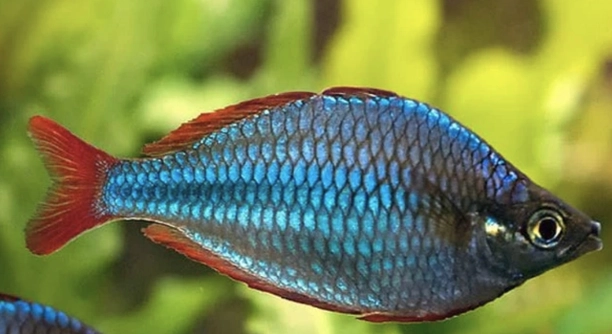
Rainbow fish are known for their vibrant colors and active personalities, making them a popular choice for aquarium enthusiasts. If you’re considering keeping rainbow fish, you might be wondering whether heavily planted tanks are a good fit for them.
Rainbow fish generally thrive in tanks with plants, though they prefer open swimming spaces. They enjoy environments with plants that offer hiding spots and shade, but they also need ample space to swim freely.
A tank with plants can provide your rainbow fish with a more natural and enriching environment. The right balance of plants and space can help keep them healthy and happy.
Benefits of Plants in a Rainbow Fish Tank
Having plants in a tank for rainbow fish can create a more natural habitat, offering numerous benefits. Plants provide hiding spots that help reduce stress for the fish, allowing them to feel safer. They also improve water quality by absorbing excess nutrients and helping to maintain stable water conditions. This can be particularly helpful in preventing algae growth. The plants also offer surfaces for beneficial bacteria to grow, which contribute to a healthy tank environment. Furthermore, the plants can provide oxygen, which is essential for the fish’s wellbeing. However, it’s important to ensure that plants don’t overcrowd the tank, as rainbow fish need ample swimming space.
Adding plants will help replicate their natural environment, and rainbow fish are often found in areas with dense vegetation in the wild. Even though they prefer open areas for swimming, plants give them opportunities to explore and find shelter if needed. Choosing plants that are easy to maintain and thrive in similar water conditions can benefit both the fish and the tank’s overall health.
Plants do contribute to creating a more comfortable environment for rainbow fish, making the tank feel more natural for them.
Choosing the Right Plants
Not all plants are suited for rainbow fish tanks. It’s essential to choose plants that will survive in the tank’s water parameters, which often include slightly alkaline and soft water. Popular choices include Java fern, Anubias, and Amazon sword plants. These plants are hardy, easy to maintain, and won’t overwhelm the fish with dense foliage. Low-maintenance plants are ideal since they won’t require constant trimming or specific care.
Rainbow fish can be quite active, and plants should complement their behavior rather than restrict it. Plants that grow too tall or too thick might block swimming areas, making the fish feel cramped. In contrast, short plants or those that allow space for swimming are perfect for these fish. Some plants even have floating leaves, which can provide shade and a more comfortable environment for the fish.
When choosing plants, think about the type of tank setup you have and the overall appearance you want. A combination of low-maintenance plants and adequate swimming areas is key to creating a balanced environment.
Space and Swimming Room for Rainbow Fish
Rainbow fish need plenty of space to swim freely, even with plants in the tank. Overcrowding the tank with too many plants can limit their movement, leading to stress. It’s essential to find a balance between plants and open space. Rainbow fish prefer tanks where they can swim actively, so the layout should be designed to give them room to roam.
Plants should be placed strategically, ensuring there are open areas where the fish can swim without obstruction. This way, they still get the benefits of plants, such as hiding spots and shaded areas, without feeling cramped. It’s important to remember that rainbow fish are fast swimmers and thrive in open, clear water spaces. Placing plants along the tank’s edges or in the background can create space for the fish to move freely.
Maintaining an open area is key, especially if you plan to keep multiple fish in the same tank. They enjoy exploring and swimming, and too many plants can make this difficult. Careful planning can help create a balanced environment where the fish feel comfortable without sacrificing their need for movement.
Tank Maintenance with Plants
A tank with plants requires regular maintenance to keep everything in balance. Plants can accumulate algae, and dead leaves can affect water quality if not cleaned regularly. Regular pruning is also essential to keep plants from overtaking the tank and blocking light. Removing excess plant growth ensures the tank remains clean and healthy for the fish.
Water changes should be done every week, especially in a planted tank, as plants absorb nutrients from the water, which could lead to an imbalance if not monitored. It’s also important to check water parameters regularly to ensure they remain within a range suitable for both the plants and the rainbow fish. A balanced tank environment is crucial for their health.
Plants can add complexity to tank care, but they also provide a more natural and thriving environment for the fish. With the right routine, keeping a planted tank will not only enhance the fish’s health but also create a visually appealing aquarium.
Lighting Needs for Plants and Fish
Lighting plays a crucial role in both the plants and the rainbow fish. Plants require the right amount of light to grow, while rainbow fish need light to stay active and healthy. Too much light can cause algae to bloom, while too little can stunt plant growth.
A balance in lighting is essential for both. Moderate light is typically ideal for most plants. The lighting should be on for about 8–10 hours a day to mimic natural conditions. Ensuring that the tank isn’t exposed to constant bright light helps avoid algae growth, which can affect both plants and fish.
Investing in a good quality light system will also help maintain the health of your plants, ensuring they thrive and do not get overwhelmed by algae. This keeps both the environment and the fish happy.
Substrate Selection
Choosing the right substrate for your planted tank is key. Rainbow fish prefer a soft substrate, allowing them to dig around without injuring themselves. A nutrient-rich substrate promotes healthy plant growth and can help maintain a stable environment. Fine gravel or sand works well for both the fish and plants.
A proper substrate helps the roots of plants thrive while providing a comfortable foundation for the rainbow fish. Avoid using substrates with sharp edges, as these can harm the fish and prevent their natural behavior. The right substrate choice ensures a healthier tank overall.
Fish Behavior in Planted Tanks
Rainbow fish generally enjoy plants in their tanks, but their behavior may vary depending on the species. Some are more territorial, while others are social and peaceful. They may use plants to hide or rest, especially during their nighttime or when they feel stressed. Having plants gives them more natural options for interaction.
In a planted tank, rainbow fish will typically swim among plants, but they may also swim near the open spaces. It’s important to monitor their behavior and ensure that they have enough room to move freely. Healthy, active fish are typically a sign that their environment is suitable.
FAQ
Do rainbow fish need plants in their tank?
Rainbow fish can live without plants, but having them in the tank enhances their environment. Plants provide natural hiding spots, shade, and surfaces for algae growth, which rainbow fish enjoy. While not essential, plants contribute to the overall health and well-being of the fish by improving water quality and mimicking their natural habitat.
Can rainbow fish live in a tank with a lot of plants?
Rainbow fish can live in a heavily planted tank as long as there is enough open swimming space. They are active swimmers and need room to move around. Overcrowding the tank with plants can limit their space and cause stress, so it’s important to maintain a balance between plants and open areas.
What types of plants are best for rainbow fish tanks?
Hardy plants such as Java fern, Anubias, and Amazon sword are great choices. These plants thrive in a variety of water conditions and are easy to care for. They also provide the fish with places to hide and rest while not blocking their swimming area. Avoid overly tall plants that could crowd the tank.
How often should I clean a planted tank with rainbow fish?
A planted tank should be cleaned regularly, at least once a week. This includes removing dead leaves, cleaning the substrate, and pruning overgrown plants. Water changes should also be done weekly to maintain healthy water parameters. Algae can build up quickly in a planted tank, so it’s essential to stay on top of cleaning.
Do rainbow fish prefer bright or dim lighting?
Rainbow fish prefer moderate lighting. Too much light can lead to excessive algae growth, while too little light can hinder plant growth. A lighting cycle of 8–10 hours a day is ideal for both plants and fish. Make sure to provide a natural light/dark cycle to keep the fish comfortable.
Can rainbow fish live in a tank with floating plants?
Yes, rainbow fish can live in a tank with floating plants. Floating plants provide shade, which rainbow fish appreciate, especially during the warmer months. They can also help create a more natural-looking tank. However, ensure that the plants don’t block too much light from reaching the bottom of the tank, as this can harm plants and fish alike.
How many rainbow fish should I keep in a planted tank?
Rainbow fish are social, so it’s best to keep them in groups of at least six. A larger group reduces stress and encourages natural behaviors. The tank size will determine how many rainbow fish you can keep. For a planted tank, ensure there’s enough swimming room for the fish and enough plants to create a comfortable environment.
Do rainbow fish eat plants?
Rainbow fish do not typically eat plants, but they may nibble on soft or decaying leaves. It’s rare for them to damage healthy plants. However, keeping a variety of plant types in the tank can ensure that the plants thrive while giving the fish natural options for hiding and exploring.
Will rainbow fish damage the plants in my tank?
Rainbow fish are generally not destructive to plants. They may occasionally nibble on leaves, especially softer plants, but they are not known to uproot or destroy them. However, some species of rainbow fish may be more curious or active and could accidentally damage plants by swimming through them or causing them to shift.
Can rainbow fish live in a tank without plants?
Rainbow fish can survive in a tank without plants, but their environment will be less natural and potentially more stressful. Plants offer hiding spots, oxygen, and natural filtration. Without plants, rainbow fish may feel more exposed, which could affect their behavior. Adding plants can make the tank more enriching for the fish.
Are there any special tank requirements for rainbow fish with plants?
Rainbow fish thrive in slightly alkaline, soft water with temperatures between 72–80°F (22–27°C). When keeping plants, it’s essential to ensure that the water parameters remain stable and suitable for both the plants and fish. Regular water changes, maintaining proper lighting, and keeping the substrate clean are key to a healthy planted tank.
Final Thoughts
Rainbow fish can benefit from a planted tank, though they don’t require one to thrive. Plants help create a more natural and enriching environment for the fish. They offer hiding spots, reduce stress, and improve water quality. In turn, this can encourage healthy and active behavior in your rainbow fish. However, it’s important to maintain a balance between plants and swimming space. Rainbow fish are active swimmers and need enough room to move around. Too many plants can limit their space, which may lead to stress or a less comfortable environment for them.
When setting up a planted tank for rainbow fish, consider choosing plants that are easy to care for and thrive in similar water conditions. Java fern, Anubias, and Amazon swords are excellent choices. These plants provide shade and hiding places, but they won’t overcrowd the tank. You should also pay attention to the lighting and water conditions. Moderate lighting is usually best for both the plants and fish. Remember to maintain water quality by regularly cleaning the tank, removing dead leaves, and performing water changes to ensure the tank stays healthy.
In conclusion, while rainbow fish don’t strictly need plants to survive, a planted tank can enhance their living environment. By carefully choosing the right plants, managing lighting, and ensuring plenty of open space for swimming, you can create a happy and healthy space for your rainbow fish. Just be mindful of the balance between plants and swimming areas, and your fish will likely thrive.

Hello,
If you enjoy the content that we create, please consider saying a "Thank You!" by leaving a tip.
Every little bit helps us continue crafting quality advice that supports the health, happiness, and well-being of pets around the world, for pets of all shapes, sizes, and species.
We really appreciate the kindness and support that you show us!