
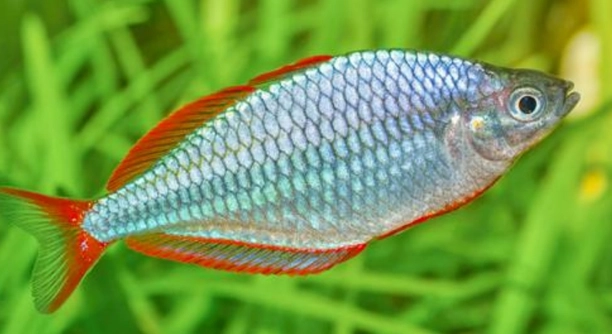
Rainbow fish are vibrant, colorful creatures that thrive in specific water conditions. Their health and happiness depend on maintaining the right environment. Understanding the water parameters they need is essential for keeping them healthy in your aquarium.
Rainbow fish require a stable environment to thrive, with optimal parameters including temperature, pH, hardness, ammonia levels, and water flow. Monitoring these aspects is vital for their long-term health and wellbeing. Consistency is key for success.
Properly managing water conditions will ensure your rainbow fish stay active and colorful. Let’s explore the essential water parameters and how they impact their growth and behavior.
Temperature: The Key to Rainbow Fish Health
Maintaining the right temperature is essential for rainbow fish. These fish thrive in water that ranges between 72°F and 79°F (22°C and 26°C). If the temperature fluctuates too much, it can cause stress and weaken their immune system. In extreme cases, it may even lead to illness or death. A steady, warm temperature allows them to feel secure and encourages healthy growth. It’s a good idea to use a reliable aquarium heater and thermometer to monitor and adjust the temperature as needed.
Rainbow fish are quite sensitive to sudden changes in temperature. Rapid fluctuations can lead to shock, making them more vulnerable to disease. It’s crucial to keep the water temperature stable within the recommended range for their wellbeing.
Maintaining the right temperature doesn’t just keep your rainbow fish happy but also helps with their overall behavior and appetite. When the water is too cold, they may become lethargic and eat less. Conversely, excessively warm water can lower oxygen levels, which can harm them. Stability is the key for the best results.
pH Level: Finding the Right Balance
The pH level of the water can significantly impact rainbow fish.
Rainbow fish prefer a slightly acidic to neutral pH, ideally between 6.5 and 7.5. If the water is too acidic or too alkaline, it can lead to stress and cause health issues. Regular testing and adjustments ensure your rainbow fish are comfortable. A stable pH promotes a healthy environment for them to thrive.
Water Hardness: The Right Minerals Matter
Rainbow fish need water that is neither too soft nor too hard. The ideal range for water hardness is between 8 and 12 dGH (degrees of general hardness). Soft water lacks essential minerals, while hard water may cause scaling on your aquarium equipment. It’s crucial to find a balance for your fish’s health.
Water hardness affects the osmoregulation of rainbow fish. If the water is too soft, they may struggle to maintain proper salt and mineral levels in their bodies, which could lead to health issues. On the other hand, excessively hard water can cause mineral imbalances. Regular testing and appropriate adjustments can ensure the right environment for your fish.
For those in areas with soft tap water, adding mineral supplements can help raise hardness. If your water is too hard, you can dilute it with distilled water or use a water softener. Either way, keeping the hardness within the recommended range will help your rainbow fish feel at home.
Ammonia and Nitrite Levels: Essential for a Healthy Tank
Maintaining safe ammonia and nitrite levels is vital for your rainbow fish’s survival.
Ammonia and nitrites are toxic to fish, even in small amounts. The ideal concentration for both should be zero. A properly cycled tank with a healthy filtration system can help break down these harmful substances. Test the water regularly to make sure both ammonia and nitrites remain at safe levels. If ammonia or nitrite levels rise, it may indicate that your tank needs better filtration or more regular water changes. Keeping these levels in check reduces the risk of fish stress and disease.
A tank with high ammonia or nitrite levels can lead to poor health, weakened immune systems, and even death in extreme cases. Overfeeding, overcrowding, and poor filtration often lead to an increase in these harmful chemicals. Regular water changes, along with a strong filtration system, can maintain a safe and healthy environment for your fish.
Water Flow: Keeping It Gentle
Rainbow fish prefer a gentle to moderate water flow in their tank. Strong currents can stress them out, making them less active and more prone to illness. They thrive in calm waters where they can swim comfortably without being pushed around.
A gentle flow allows rainbow fish to feel safe and secure. It mimics their natural habitat, where water movement is usually mild. Make sure to adjust your filter’s flow rate to suit the needs of your fish, or use a sponge filter to reduce water pressure.
Lighting: Balance for Health and Color
Rainbow fish require proper lighting to stay healthy and vibrant. Too much light can lead to stress, while too little can affect their natural color and behavior. A 10 to 12-hour light cycle is ideal.
A consistent light schedule also helps keep the fish’s biological rhythms in check. Dim lighting can help reduce stress during the night, while brighter periods encourage more active behavior. Proper lighting enhances the natural beauty of rainbow fish, showcasing their colors and making your aquarium visually appealing.
FAQ
What is the ideal water temperature for rainbow fish?
Rainbow fish prefer water temperatures between 72°F and 79°F (22°C and 26°C). Keeping the water in this range will help your fish stay healthy and active. If the temperature falls outside of this range, they may become stressed or even ill. A stable temperature is crucial for their wellbeing, as rapid changes can harm their immune system. Invest in a reliable aquarium heater to maintain the right temperature and monitor it regularly with a thermometer. Consistency is key to keeping rainbow fish happy.
How can I maintain the right pH level for my rainbow fish?
Rainbow fish thrive in slightly acidic to neutral pH, typically between 6.5 and 7.5. If the pH is too high or too low, it can cause stress and health problems. Test the pH levels in your aquarium water regularly to ensure it stays within the recommended range. If you need to adjust the pH, you can use pH buffers, which are available at pet stores. Be cautious with changes, as a sudden shift in pH can shock your fish. Gradual adjustments are always better than making quick changes to the water’s chemistry.
How do I maintain the right water hardness for rainbow fish?
Rainbow fish prefer moderately hard water, with a range of 8 to 12 dGH. Water that is too soft or too hard can cause stress and health issues for your fish. You can test the hardness of your water with a simple test kit. If your water is too soft, you may need to add minerals to raise the hardness. Conversely, if it’s too hard, you can dilute it with distilled water. Regular testing is important to keep the hardness levels stable, as fluctuations can affect your fish’s overall health.
What is the best way to reduce ammonia and nitrite levels in the tank?
Ammonia and nitrites should always be at zero in your rainbow fish tank. These toxic compounds can build up from fish waste, leftover food, or decaying plants. The best way to keep ammonia and nitrite levels in check is by maintaining a well-filtered tank and performing regular water changes. A good filtration system helps break down harmful chemicals. If ammonia or nitrite levels rise, do a partial water change immediately and test the water again. Ensure your tank is properly cycled, as this will help keep harmful substances at bay.
How do I control water flow in a tank with rainbow fish?
Rainbow fish prefer calm waters, so it’s important to avoid strong currents that can stress them. You can control water flow by adjusting your filter’s flow rate or using a sponge filter, which provides gentle filtration without creating turbulence. If your filter’s flow is too strong, you can also redirect the current using decorations or plants in the tank. Keeping the water flow moderate and steady ensures that your rainbow fish feel comfortable and safe, mimicking their natural environment where the current is not too strong.
How often should I change the water in a tank with rainbow fish?
Regular water changes are essential for maintaining a healthy environment for your rainbow fish. Aim to change 20-30% of the tank water every week. This helps remove harmful waste products like ammonia and nitrates, which can accumulate over time. It also ensures the water remains clean and stable, promoting a healthy habitat for your fish. Make sure the new water matches the temperature and pH of the tank to avoid stressing your fish. Regular water changes will improve water quality and keep your fish active and vibrant.
What is the best way to monitor the water quality for rainbow fish?
Monitoring water quality involves regularly testing the pH, ammonia, nitrite, nitrate, and hardness levels. There are test kits available that make this process easy. Perform these tests weekly, especially in the beginning, to keep track of any changes in your tank’s chemistry. If you notice any issues, adjust the water parameters accordingly, and always make changes slowly to avoid stressing your fish. A good water testing routine helps ensure that your rainbow fish stay healthy and that any potential problems are addressed before they become serious.
Do rainbow fish need a specific lighting schedule?
Yes, rainbow fish benefit from a consistent lighting schedule. Aim for 10-12 hours of light each day to mimic their natural environment. Too much light can cause stress, while too little light can make your fish more lethargic. Use an aquarium light with a timer to keep a consistent light cycle, turning it off at night to give the fish a rest. Proper lighting helps rainbow fish display their vibrant colors and encourages healthy behaviors, like feeding and active swimming.
Can rainbow fish live with other species?
Rainbow fish are peaceful and social, so they can live well with other non-aggressive species. They enjoy being in groups, so it’s recommended to keep them in schools of at least six fish. They do well with other fish that prefer similar water parameters, like tetras, guppies, and peaceful barbs. However, avoid keeping them with aggressive or overly territorial species, as this can cause stress. Before introducing new fish, always research their specific needs to ensure compatibility in terms of water temperature, pH, and overall temperament.
What should I feed my rainbow fish?
Rainbow fish are omnivores, so they need a balanced diet of both plant-based and protein-rich foods. Feed them high-quality flake or pellet food that is specifically designed for freshwater fish. Supplement their diet with occasional live or frozen foods like brine shrimp or daphnia. You can also add vegetable matter such as blanched spinach or peas. It’s important not to overfeed them, as excess food can cause water quality issues. Feed them small amounts two to three times a day, and remove any uneaten food to prevent waste buildup in the tank.
Final Thoughts
Rainbow fish are relatively easy to care for when the right water parameters are maintained. By ensuring a stable temperature, proper pH, water hardness, and safe levels of ammonia and nitrites, you can create an environment that supports their health and vibrant colors. Their peaceful nature makes them great additions to most freshwater tanks, and with the right care, they can thrive for years.
Maintaining proper water flow, lighting, and regular water changes will help keep your rainbow fish active and healthy. They are very sensitive to changes in their environment, so keeping things stable is important. Monitoring the water quality with regular testing can prevent issues before they become serious. Also, making sure their tankmates are compatible will help keep them stress-free and happy.
Caring for rainbow fish doesn’t have to be complicated, but it does require attention to detail. With the right conditions in place, your rainbow fish will flourish, showing off their brilliant colors and active behavior. Taking the time to understand their needs will not only ensure their wellbeing but also make your aquarium a beautiful and peaceful environment.

Hello,
If you enjoy the content that we create, please consider saying a "Thank You!" by leaving a tip.
Every little bit helps us continue crafting quality advice that supports the health, happiness, and well-being of pets around the world, for pets of all shapes, sizes, and species.
We really appreciate the kindness and support that you show us!