
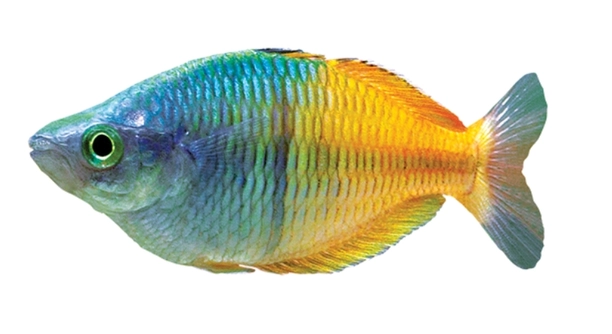
Setting up a healthy environment for rainbow fish is essential to their well-being. Proper tank conditions will help them thrive and show off their vibrant colors. These fish require more attention than some other species, so it’s important to get it right.
Creating a healthy tank setup for rainbow fish involves factors like water quality, temperature, tank size, and suitable companions. A well-maintained tank will ensure their growth and vibrant colors, keeping them healthy and happy for years.
By following these tips, you can provide the best care possible. These practices are simple yet crucial in maintaining a healthy environment for your rainbow fish.
Choose the Right Tank Size
Rainbow fish are active swimmers, so they need plenty of space to thrive. A tank that’s too small can cause stress and lead to health issues. For a small group of rainbow fish, a 30-gallon tank is ideal. This gives them enough room to move around and explore. If you plan to keep a larger school, you might need a bigger tank to avoid overcrowding.
A tank with proper size helps maintain water quality and reduces the chances of fish fighting. Overcrowding can lead to poor water circulation, which impacts the fish’s health. Larger tanks are easier to maintain, and your rainbow fish will appreciate the extra space to swim.
If you’re planning on keeping other fish alongside your rainbow fish, consider a larger tank. When choosing a tank, remember that bigger is always better for your fish’s well-being.
Maintain Proper Water Quality
Water quality plays a key role in the health of rainbow fish. Their vibrant colors and activity levels depend on clean, well-filtered water. Regular water changes are essential to keep harmful substances from building up.
Investing in a reliable filtration system will help keep the water clean and free of harmful waste. A filter that matches the size of your tank will ensure that debris and waste are effectively removed. Along with proper filtration, you should monitor water parameters, such as pH, ammonia, nitrites, and nitrates.
Maintaining a stable water temperature is equally important. Rainbow fish prefer slightly warmer water, ranging between 74°F and 80°F. Fluctuations in temperature or poor water quality can weaken their immune system, leaving them vulnerable to disease. Regular water checks and adjustments will ensure your rainbow fish stay healthy.
Provide Suitable Tank Mates
Rainbow fish are generally peaceful but can become stressed if housed with aggressive species. When selecting tank mates, choose peaceful fish that won’t compete for food or space. Avoid keeping them with fin-nipping fish or overly territorial species.
Ideal tank mates include small, peaceful species such as tetras, guppies, and Corydoras catfish. These fish won’t bother your rainbow fish and will help create a balanced, stress-free environment. It’s important to create a community that promotes harmony and reduces aggression.
A peaceful community helps your rainbow fish feel safe and secure. By choosing the right companions, you ensure they can show off their best behaviors without the threat of conflict.
Create Hiding Spots
Rainbow fish prefer environments where they can hide if needed. Providing hiding spots will reduce stress and create a sense of security. Plants, rocks, and caves work well for creating these spaces.
Adding live plants not only improves water quality but also offers natural hiding places. Floating plants like duckweed or Amazon swords provide cover, while larger decorations like driftwood can serve as resting areas. Rainbow fish can explore their surroundings, but having spots to retreat to when needed is essential for their well-being.
Ensure there are enough hiding spots for all fish in the tank. A lack of spaces can cause tension, especially in a crowded tank. Hiding areas allow rainbow fish to have a peaceful environment where they can feel safe. It will also reduce territorial behavior between your fish.
Maintain Stable Temperature
A consistent water temperature is crucial for the health of rainbow fish. These fish prefer slightly warmer waters, between 74°F and 80°F. Sudden temperature fluctuations can cause stress and lead to illness.
Investing in a reliable aquarium heater helps maintain a stable temperature. It’s important to monitor the water regularly using a thermometer to ensure it stays within the ideal range. Rainbow fish are sensitive to changes, and consistent warmth keeps them active and vibrant.
In addition to temperature control, avoid placing the tank in direct sunlight or near heating vents. Both can cause temperature spikes that stress your fish. Keep the tank in a stable environment for optimal health.
Use Soft Substrate
Rainbow fish prefer a soft substrate that won’t harm their delicate fins. Sand or fine gravel is ideal for their tank setup. This type of substrate is gentle and won’t scratch their bodies.
Soft substrates also allow beneficial bacteria to thrive, helping maintain good water quality. It’s easier to clean than rough gravel, preventing waste buildup. Keeping the substrate clean will help your rainbow fish stay healthy.
A soft substrate also encourages natural behaviors like digging. These activities contribute to their well-being and make them feel at home in their environment.
Offer a Balanced Diet
Rainbow fish require a varied diet to maintain their vibrant colors and overall health. A mix of high-quality flake food, frozen foods like brine shrimp, and live foods can keep them nourished.
It’s important to feed your fish a range of protein sources to support growth and energy. Too much of one type of food can cause imbalances, leading to health issues. Offering a variety helps prevent malnutrition and ensures a more balanced lifestyle for your fish.
Make sure you’re feeding appropriate portion sizes to avoid overfeeding, which can lead to water quality problems. Regular feeding, along with variety, ensures your rainbow fish stay in good condition.
Keep Lighting Balanced
Rainbow fish thrive under moderate lighting. Too much light can cause algae growth, while too little can affect their natural behavior. It’s important to maintain a balance that mimics their natural environment.
Providing 10 to 12 hours of light a day works well for these fish. Use a timer to maintain consistency. Balanced lighting encourages healthy plant growth and provides a day-night cycle for your fish.
Consider using LED lights that are energy-efficient and won’t overheat your tank. The right lighting helps your rainbow fish stay healthy and happy, while also creating a beautiful aquarium.
FAQ
How often should I change the water in my rainbow fish tank?
It’s recommended to change 20-25% of the water every two weeks. This helps maintain water quality and prevents the buildup of toxins like ammonia. If your tank has more fish or if you have a smaller tank, you may need to change the water more frequently. Regular water changes are essential for keeping the fish healthy, especially in tanks with high stocking levels. Don’t forget to condition tap water to remove chlorine before adding it to the tank.
What is the ideal tank size for rainbow fish?
A minimum of 30 gallons is recommended for a small group of rainbow fish. The more space they have, the healthier they’ll be. Overcrowding can lead to stress, poor water quality, and territorial behavior. If you plan to keep a larger school of rainbow fish or add other species to the tank, you may want to go for a larger tank, such as a 50-gallon or 75-gallon setup. A spacious tank encourages natural behavior and improves the overall health of the fish.
Can I keep rainbow fish with other species?
Yes, rainbow fish can live with many other species, as long as they are peaceful. Avoid aggressive or fin-nipping fish, as they could harm your rainbow fish. Good tank mates include small, peaceful species like tetras, guppies, and Corydoras catfish. It’s important to choose companions that don’t compete for the same resources and that won’t intimidate your rainbow fish. Creating a peaceful community is key to keeping all the fish healthy and stress-free.
What should I feed rainbow fish?
Rainbow fish need a varied diet to stay healthy. You should feed them high-quality flake food, as well as occasional frozen or live foods like brine shrimp, daphnia, and bloodworms. A balanced diet supports their energy, vibrant colors, and overall growth. You can also offer small amounts of vegetable matter like spirulina or blanched spinach. Be sure to feed them in small portions to avoid overfeeding, which can pollute the tank.
How can I maintain the right water temperature for rainbow fish?
Rainbow fish thrive in water temperatures between 74°F and 80°F. You can use a reliable aquarium heater to maintain a consistent temperature. Make sure to monitor the temperature regularly with a thermometer. Avoid placing your tank in areas with fluctuating temperatures, such as near windows or heating vents. Stability is key, so keep the water temperature steady to prevent stress on your fish.
Do rainbow fish require a lot of light?
Rainbow fish don’t require excessive light, but they do need a moderate amount to mimic natural conditions. Providing 10-12 hours of light per day is ideal. This allows them to maintain their natural day-night cycle. Overexposure to light can cause algae growth, while insufficient lighting may affect the fish’s natural behavior. Use a timer to ensure consistent lighting, and consider using LED lights to save energy and prevent overheating.
How can I tell if my rainbow fish are stressed?
Signs of stress in rainbow fish include faded colors, erratic swimming, loss of appetite, or hiding more than usual. Stress can result from poor water quality, overcrowding, or incompatible tank mates. If you notice any of these signs, check the water parameters and make sure the fish have enough space and hiding spots. Addressing the stressors quickly will help prevent health problems.
What is the best substrate for rainbow fish?
Rainbow fish prefer a soft substrate like fine gravel or sand. This type of substrate is gentle on their fins and allows beneficial bacteria to grow, which helps maintain water quality. Avoid rough gravel or sharp objects, as they could potentially harm the fish. Soft substrates also make it easier to clean the tank and keep the environment healthy.
Can I keep rainbow fish in a planted tank?
Yes, rainbow fish do well in planted tanks. Live plants provide shelter, improve water quality, and offer natural hiding spots. Plants like Amazon swords, Java ferns, and Anubias are excellent choices for rainbow fish tanks. Be sure to provide enough space for the plants to grow and for the fish to swim freely. Healthy plants also help stabilize water parameters, which benefits the fish.
How many rainbow fish should I keep together?
Rainbow fish are schooling fish and do best in groups. A minimum of six is recommended for a small school, but larger groups of 10-12 fish will allow them to feel more secure and exhibit natural behavior. A group of rainbow fish will be more active and vibrant compared to keeping just one or two. Larger schools also help reduce aggression and territorial behavior.
How long do rainbow fish live?
Rainbow fish typically live for 5 to 8 years when kept in optimal conditions. Their lifespan can be affected by factors like water quality, tank size, diet, and stress. Keeping up with regular tank maintenance, providing a balanced diet, and ensuring a stable environment will help your rainbow fish live a long, healthy life.
What is the ideal pH level for rainbow fish?
Rainbow fish prefer a slightly acidic to neutral pH, between 6.5 and 7.5. It’s important to monitor the pH levels in your tank, as drastic fluctuations can cause stress or harm to the fish. Regular water changes and a good filtration system will help keep the pH stable. If you notice pH instability, check your tank’s water parameters and adjust accordingly.
Can I breed rainbow fish in my tank?
Yes, rainbow fish can breed in a well-maintained tank. Provide them with a separate breeding area with soft plants like Java moss, which they will use to lay their eggs. It’s helpful to maintain slightly cooler water temperatures, around 72°F, to trigger breeding behavior. After the eggs hatch, you can raise the fry in a separate tank until they are large enough to join the adult fish.
Do rainbow fish need a filter?
Yes, rainbow fish require a reliable filtration system to keep the water clean and free of harmful substances. A filter helps remove waste, excess food, and toxins from the tank, promoting good water quality. Choose a filter that’s appropriate for the size of your tank, and make sure to clean it regularly to prevent clogs and maintain optimal filtration. A healthy, well-filtered tank is crucial for keeping rainbow fish happy.
Final Thoughts
Setting up a healthy environment for rainbow fish requires attention to detail and consistency. These vibrant fish thrive in stable conditions, with clean water, proper temperature, and a balanced diet. A well-maintained tank will not only keep your fish healthy but also encourage them to exhibit their natural behaviors. By providing them with the right tank size, appropriate tank mates, and a suitable substrate, you create an environment that promotes their well-being. Regular maintenance, like water changes and monitoring water quality, will help you avoid many common issues and ensure your fish live a long, healthy life.
Feeding rainbow fish a variety of foods is also important for their health. While high-quality flakes can form the base of their diet, adding frozen or live foods like brine shrimp, daphnia, and bloodworms will keep them active and vibrant. Remember to feed them in small portions to avoid overfeeding, which can lead to poor water quality. Proper nutrition helps maintain their energy levels and vibrant colors, ensuring they stay in top shape. Balanced feeding, along with a stable environment, is key to promoting their overall health.
In summary, the health and happiness of your rainbow fish depend on how well you maintain their tank environment. Keep their water clean, provide appropriate lighting, and ensure they have enough space to swim and interact with other peaceful fish. With the right care, rainbow fish can thrive and bring beauty to your aquarium for many years. Always be mindful of their needs and monitor their health closely, as small changes in water conditions can have a significant impact on their well-being. By following these tips, you will create a thriving aquarium that both you and your fish can enjoy.

Hello,
If you enjoy the content that we create, please consider saying a "Thank You!" by leaving a tip.
Every little bit helps us continue crafting quality advice that supports the health, happiness, and well-being of pets around the world, for pets of all shapes, sizes, and species.
We really appreciate the kindness and support that you show us!