
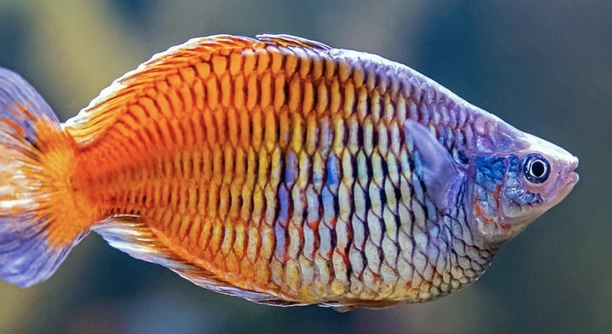
Preparing for rainbow fish is an exciting task, but it’s essential to ensure that everything is clean and ready before introducing them to their new home. Keeping your tank environment pristine helps promote their well-being.
Before adding rainbow fish to your tank, clean the filter, substrate, decorations, and glass. Ensure proper water parameters by cleaning the water testing equipment and any other accessories like nets. Maintaining a clean tank ensures a healthy environment for your fish.
This guide will walk you through the necessary steps to ensure your rainbow fish thrive in their new home.
Clean the Tank Filter
The tank filter is one of the most crucial components in maintaining a healthy aquarium. Over time, it collects debris and waste, which can harm the water quality. Before introducing your rainbow fish, ensure the filter is clean and functioning properly. If the filter has been running for a while, it’s important to inspect it for any buildup. Turn it off and disassemble it carefully. Clean the filter media, such as sponges or cartridges, with water from the tank to avoid killing beneficial bacteria. Rinse out the pump and impeller to remove any dust or debris.
A clean filter ensures that your fish will have proper water circulation and filtration. This prevents dangerous toxins from building up and keeps the tank environment healthy. Check the manufacturer’s recommendations for filter maintenance to keep it running smoothly.
Regular filter maintenance is an essential part of setting up a tank for new fish. Make sure to also monitor its performance after cleaning to ensure that it continues working properly.
Clean the Substrate
The substrate in your aquarium can trap food, waste, and debris, making it vital to clean it thoroughly. If you have gravel or sand, use a gravel vacuum to suck up any trapped dirt.
Vacuuming the substrate will help maintain water clarity and prevent the buildup of harmful substances. It’s also important to check for any signs of algae or mold growth. If the substrate appears too dirty or impacted, consider replacing it. Keeping the substrate clean will also improve water flow.
Regular cleaning of the substrate helps to maintain a balanced ecosystem within your tank. Doing this before introducing rainbow fish ensures that their environment is free from excess waste and harmful bacteria.
Clean the Aquarium Decorations
Aquarium decorations like rocks, plants, and ornaments can collect algae and debris. Before placing your rainbow fish in the tank, thoroughly clean all decorations to avoid introducing harmful substances.
Use warm water to clean the decorations. Avoid soap or chemicals, as they can harm the fish. Scrub off any visible algae or buildup using a soft brush. If you notice excessive growth, soak the decorations in a diluted vinegar solution to remove stubborn algae. Rinse them well to ensure no residue remains before placing them back in the tank.
Cleaning your decorations will help keep the tank’s aesthetic and maintain a safe environment for your new fish. This simple step can also improve the overall appearance of your aquarium, making it more inviting for the rainbow fish.
Clean the Tank Glass
Cleaning the glass is necessary for maintaining a clear view of your fish and ensuring the overall aesthetics of the tank. Over time, algae and mineral deposits can cloud the glass, making it difficult to observe the water conditions.
To clean the glass, use a soft cloth or a specialized aquarium glass scraper. Scrub the interior gently to remove algae without scratching the surface. Avoid using abrasive materials or harsh chemicals, as they could harm the tank’s ecosystem. For the exterior, use a non-toxic glass cleaner or simply warm water to remove fingerprints and dust.
Having clean glass helps with better light penetration, which in turn supports the growth of plants and maintains the overall water quality. It’s essential to check for any signs of buildup and clean the glass regularly to keep the environment healthy for your rainbow fish.
Clean the Water Testing Equipment
Before adding rainbow fish, ensure your water testing equipment is clean and functioning correctly. This will allow you to monitor the water parameters effectively.
Rinse the test kits and equipment with clean water to remove any residue. Avoid harsh cleaning agents that could damage the tools. A simple rinse ensures accurate readings for your tank’s water chemistry. Clean tools will prevent cross-contamination between tests.
Regularly cleaning and calibrating your testing equipment helps maintain accurate results. This is important for monitoring the conditions in your tank, ensuring your rainbow fish thrive in a safe environment.
Clean the Tank Heater
A tank heater must be cleaned to maintain consistent water temperature for your rainbow fish. Over time, heaters can develop mineral buildup.
To clean the heater, unplug it and gently scrub it with a soft brush. If necessary, soak it in vinegar to dissolve any hard water deposits. Once cleaned, rinse thoroughly with fresh water to remove any vinegar. After cleaning, check the heater’s functionality before placing it back in the tank.
A clean heater is crucial to ensuring that your tank maintains the ideal temperature range for rainbow fish. Without proper heat control, your fish may experience stress or health issues.
FAQ
What is the ideal water temperature for rainbow fish?
Rainbow fish thrive in a temperature range of 72°F to 79°F (22°C to 26°C). Keeping the water within this range is crucial for their overall health and well-being. If the temperature fluctuates too much, rainbow fish can become stressed, which can lead to weakened immune systems and disease. A reliable aquarium heater will help maintain a consistent temperature. Always use a thermometer to monitor the water temperature regularly.
How often should I change the water in my tank?
Water changes should be done regularly to maintain a healthy environment. A 25% water change every 2-3 weeks is generally recommended. However, if the tank has a high fish load or poor filtration, you may need to change the water more often. Consistent water changes help prevent the buildup of harmful substances like ammonia, nitrites, and nitrates, which can harm the fish.
Can I keep rainbow fish with other species?
Yes, rainbow fish are generally peaceful and can be kept with other species that have similar care requirements. Avoid keeping them with overly aggressive fish, as they can become stressed or injured. Ideal tank mates include other peaceful species such as tetras, guppies, or peaceful cichlids. Always research the compatibility of species before introducing new fish to the tank.
What type of food should I feed my rainbow fish?
Rainbow fish are omnivores and require a varied diet. Provide them with high-quality flake or pellet food that contains both plant and animal matter. Supplement their diet with live or frozen foods such as brine shrimp, daphnia, or bloodworms. Offering a variety of foods ensures they get all the essential nutrients for growth and health.
How do I know if my rainbow fish are stressed?
Stressed rainbow fish may display signs such as erratic swimming, hiding, reduced appetite, or color fading. They may also become more aggressive toward tank mates. Stress can result from poor water quality, overcrowding, temperature fluctuations, or incompatible tank mates. Addressing the root cause of stress is important to help the fish recover.
Can I keep rainbow fish in a small tank?
Rainbow fish require a spacious tank to thrive. A minimum of 30 gallons is recommended for a small group of rainbow fish. Smaller tanks can lead to poor water quality and stress, especially with multiple fish. A larger tank provides better filtration, stable water conditions, and more space for the fish to swim, promoting their overall health and happiness.
Do rainbow fish need live plants in their tank?
Rainbow fish enjoy having live plants in their environment, though it is not a necessity. Plants provide shelter and enhance the aesthetic of the tank. They also help maintain water quality by absorbing nitrates and providing oxygen. If live plants are not an option, artificial plants can also provide hiding spots and a more natural environment.
How can I tell if my rainbow fish are healthy?
Healthy rainbow fish have vibrant colors, clear eyes, and smooth, intact scales. They should swim actively and have a good appetite. If your fish are lethargic, losing color, or not eating, it could be a sign of illness. Regular water tests and observing the behavior of your fish will help you detect early signs of health issues.
Are rainbow fish easy to breed?
Breeding rainbow fish can be somewhat challenging but is achievable with the right conditions. They require a separate breeding tank with pristine water quality, appropriate temperature (around 75°F to 78°F), and soft water. A varied diet with live foods will encourage breeding. After spawning, the eggs should be removed to prevent the parents from eating them. Hatching and raising the fry will require additional care, including feeding infusoria or specialized fry food.
Do rainbow fish need a filter?
Yes, rainbow fish need a filter to keep the water clean and maintain proper water conditions. A good filter helps remove excess waste, debris, and harmful chemicals, ensuring the fish live in a safe environment. Make sure to choose a filter that is appropriately sized for your tank. A filter that’s too powerful can create strong currents, which may stress the fish.
How can I prevent algae growth in my tank?
Algae can be controlled by limiting light exposure, performing regular water changes, and using a good filtration system. Avoid leaving aquarium lights on for more than 8-10 hours a day. You can also introduce algae-eating fish or invertebrates, such as snails or shrimp, to help keep algae in check. In severe cases, using an algae scraper can help remove algae from tank surfaces.
Why are my rainbow fish not eating?
There are several potential reasons for rainbow fish refusing food. Stress, poor water quality, or illness can cause a loss of appetite. Ensure the tank is clean, the water parameters are stable, and there are no aggressive tank mates. If the problem persists, check for signs of disease and consider consulting an aquarium specialist.
Can I use tap water for my rainbow fish tank?
Tap water can be used for your tank, but it’s important to treat it with a water conditioner to remove chlorine, chloramine, and heavy metals that may be harmful to your fish. It’s also necessary to test the water for pH, hardness, and other parameters to ensure they are within the range suitable for rainbow fish. If your tap water quality is poor, consider using filtered or reverse osmosis water.
Do rainbow fish need a lot of light?
Rainbow fish prefer moderate lighting. Too much light can encourage excessive algae growth and stress the fish. Too little light may affect the growth of plants in the tank. Aim for 8-10 hours of light per day, using an aquarium light that mimics natural daylight. Make sure to turn off the light during the night to give your fish a proper rest cycle.
Final Thoughts
Proper preparation is essential when introducing rainbow fish to your aquarium. Ensuring that your tank is clean and well-maintained before adding them will help create a safe and healthy environment. This includes cleaning decorations, the tank glass, the heater, and water testing equipment. Each step ensures that your rainbow fish have the best possible start in their new home.
Aside from maintaining cleanliness, it is important to monitor the water quality regularly. Keeping an eye on the water temperature, pH levels, and ammonia/nitrite/nitrate levels will help ensure your fish stay healthy. Rainbow fish are sensitive to poor water conditions, so regular water changes and proper filtration are key. Proper feeding also plays a major role in their health, so offering a balanced diet will keep them active and vibrant.
By following these simple guidelines, you can provide a well-maintained tank for your rainbow fish. This preparation will not only help your fish adjust better to their new home but also contribute to their long-term health and well-being. Whether you’re a beginner or an experienced aquarist, taking the time to properly set up the tank is one of the most important steps in keeping your rainbow fish happy.

Hello,
If you enjoy the content that we create, please consider saying a "Thank You!" by leaving a tip.
Every little bit helps us continue crafting quality advice that supports the health, happiness, and well-being of pets around the world, for pets of all shapes, sizes, and species.
We really appreciate the kindness and support that you show us!