
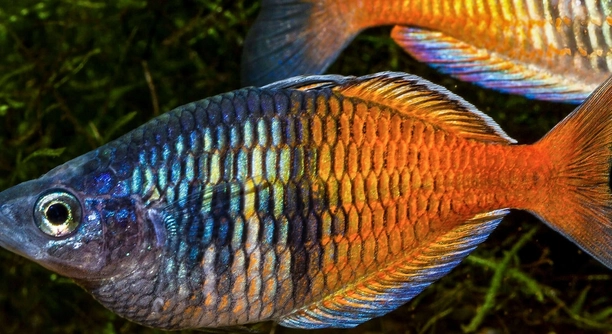
Adding plants to a rainbow fish tank can enhance its beauty while creating a natural, healthy environment for your fish. These vibrant fish thrive in tanks with both aquatic plants and proper care. Choosing the right plants is key.
The best plants for a rainbow fish tank include species that offer color contrast, hiding spots, and proper oxygenation. Hardy plants like Java fern, Anubias, and Amazon sword are ideal for this type of tank, offering growth and structure.
Selecting the right plants ensures your rainbow fish thrive. The following plants can add vibrancy and support to your tank.
Java Fern
Java fern is one of the most popular plants for rainbow fish tanks due to its low-maintenance nature. It thrives in a variety of conditions, making it suitable for both beginners and experienced aquarium keepers. The long, flowing leaves provide a natural hiding place for fish, especially juvenile rainbow fish. Java fern grows slowly, which helps prevent it from overcrowding the tank.
This plant doesn’t require high light levels, making it a great option for a balanced environment. Java fern can be attached to rocks or driftwood in the tank, and its roots will spread out over time, creating a lush appearance.
It’s essential to keep the plant in a tank with stable water conditions, as drastic changes in pH or temperature can affect its growth. Regular trimming helps maintain its shape and prevents it from taking over the tank. Java fern also promotes better oxygen levels, benefiting the overall health of your rainbow fish.
Anubias
Anubias is another hardy plant that works well in a rainbow fish tank. It’s slow-growing and can adapt to a wide range of conditions, from low to medium light. The plant’s thick leaves are less likely to be damaged by the fish, making it a durable option.
One of the benefits of Anubias is that it doesn’t require substrate planting, as it can be easily attached to rocks or driftwood. Its resilient nature ensures it can withstand the activities of rainbow fish without being uprooted or damaged. The wide, dark green leaves offer a nice contrast to the bright colors of your fish.
With proper care, Anubias can thrive in both fresh and brackish water tanks. It’s a great choice if you’re looking to add low-maintenance greenery to your setup while promoting a healthy aquatic ecosystem for your fish.
Amazon Sword
Amazon sword is a great plant for adding a lush, green backdrop to your rainbow fish tank. It grows quickly, filling in the space and offering the fish some shelter. This plant prefers moderate to high light levels and thrives in nutrient-rich substrate.
It can grow large, reaching up to 20 inches, and provides ample hiding spots for the fish, especially when it’s allowed to grow freely. Amazon sword plants also require regular pruning to prevent them from overtaking the tank. You may also need to supplement the substrate with fertilizers to keep the plant healthy.
With its hardy nature, the Amazon sword plant is a great choice for beginners. It also helps with tank filtration, absorbing excess nutrients that could lead to algae growth. This plant brings balance and beauty to your aquatic environment while supporting the overall health of the fish.
Hornwort
Hornwort is an excellent plant for rainbow fish tanks, thanks to its fast growth and ability to thrive in low to moderate light conditions. It works well in both floating and rooted forms, offering flexibility in tank setup.
This plant helps keep the water clear by absorbing excess nutrients, making it an ideal addition for aquariums prone to algae growth. Hornwort doesn’t require any substrate, as it can grow freely in the water column. Its dense, feathery leaves provide plenty of hiding spots for fish, making them feel more secure.
The plant is also a great oxygenator, promoting a healthy aquatic environment. It’s easy to maintain and doesn’t need regular pruning, though you can trim it if you want to keep the size in check. Hornwort is a reliable choice for both beginner and experienced aquarium keepers.
Vallisneria
Vallisneria is a fast-growing, easy-to-care-for plant that works well in rainbow fish tanks. It thrives in moderate to high light and can be planted in the substrate or allowed to float. Its long, ribbon-like leaves create a beautiful, flowing effect in the tank.
This plant is perfect for providing hiding spots for rainbow fish, especially juvenile fish who may need some shelter. Vallisneria also helps improve water quality by absorbing excess nutrients and preventing algae growth. As it grows, the plant can spread across the tank, creating a lush and natural look.
Ludwigia
Ludwigia is a popular aquatic plant known for its striking red and green leaves. It does well in moderate to high light and requires a nutrient-rich substrate to thrive. It’s perfect for adding vibrant color to your tank.
Ludwigia’s growth rate is moderate, so it requires occasional pruning to keep it in check. It thrives in tanks with stable water parameters, so be sure to maintain consistent temperature and pH. This plant will add visual interest and depth to your tank while offering a contrast to the colorful rainbow fish.
FAQ
How many plants should I have in my rainbow fish tank?
The number of plants in your tank depends on the size of your aquarium and the types of plants you choose. A general rule is to aim for about 30-50% of your tank’s surface area covered with plants. This provides enough space for your fish to swim comfortably while offering hiding spots. For smaller tanks, you can have just a few plants, but for larger tanks, adding more varieties can help create a balanced environment. Ensure that the plants you choose can thrive in your tank’s conditions.
Can I mix different types of plants in the same tank?
Yes, mixing plant types is not only possible, but it can also enhance the aesthetic of your tank. Just be mindful of the light and substrate requirements of each plant. Some plants may need low light, while others may require high light. Additionally, some plants need nutrient-rich substrate, while others can thrive in low-nutrient environments. Make sure to select plants that have similar needs for a healthy ecosystem. Proper placement of plants also helps prevent overcrowding, allowing each plant the space it needs to grow.
Do I need a special substrate for aquatic plants in my tank?
Aquatic plants generally thrive in nutrient-rich substrates, but it’s not always necessary to get a special one. Plants like Anubias or Java fern can grow well in basic gravel or sand. However, for plants like Amazon sword or Vallisneria, which have higher nutrient requirements, a nutrient-dense substrate will promote better growth. If you’re using regular gravel, you can supplement with root tabs or liquid fertilizers to ensure your plants get the nutrients they need. Choose a substrate that fits your plants’ needs and your tank’s aesthetic.
How can I prevent algae from growing in my tank?
Algae growth is often a result of excess nutrients in the water, especially nitrates and phosphates. To prevent algae, be sure to regularly clean your tank and remove any uneaten food or organic waste. Plants like Hornwort and Amazon sword can help by absorbing excess nutrients, which reduces the potential for algae growth. Maintaining proper lighting is also important—too much light can cause algae to flourish. Aim for 8-10 hours of light per day and consider using an aquarium light with a timer to keep the cycle consistent.
What type of lighting do plants need in a rainbow fish tank?
Lighting needs vary based on the type of plants you choose. Low-light plants like Anubias or Java fern can thrive with standard lighting, while plants like Amazon sword and Ludwigia need brighter light to grow properly. LED lights designed for planted tanks provide good coverage without overheating the water. It’s best to aim for about 2-3 watts per gallon for medium light plants. For high-light plants, increase the wattage or use specialized lighting to encourage growth. Be sure to use a timer to keep the lighting consistent, promoting healthy plant growth.
How do I maintain healthy plants in my tank?
Maintaining healthy plants requires consistent care. Regularly trim any dead or dying leaves to encourage new growth and prevent decay. Make sure your plants are getting the right amount of light—too little can cause them to become leggy, while too much can lead to algae growth. Test the water regularly to ensure the pH, hardness, and temperature are within the ideal range for both your plants and rainbow fish. Additionally, use fertilizers as needed to supplement the nutrients your plants might be lacking. Proper tank maintenance will keep your plants healthy and thriving.
Can I use live plants in a tank with rainbow fish?
Yes, live plants are an excellent choice for rainbow fish tanks. These fish thrive in environments with natural plant cover, as it helps them feel more secure. Live plants also provide oxygen, absorb excess nutrients, and contribute to the overall health of the tank. Rainbow fish are peaceful and won’t harm most types of plants. However, be sure to choose plants that are tough enough to withstand any occasional nibbling or movement. Plants like Anubias, Java fern, and Vallisneria are perfect for these types of setups.
Do plants help improve water quality in a rainbow fish tank?
Yes, plants play a crucial role in maintaining water quality. They absorb nitrates and other waste products produced by fish, which helps prevent water pollution and algae blooms. Plants also provide oxygen, which benefits the overall health of your fish. Some plants, like floating species, also help absorb excess light, reducing the chances of algae overgrowth. A well-planted tank is generally healthier, as the plants keep the water balanced by processing waste and supporting beneficial bacteria that help break down organic matter.
How often should I prune my plants?
Pruning frequency depends on the growth rate of the plants in your tank. Fast-growing plants like Amazon sword or Vallisneria may need pruning every few weeks to maintain their size and prevent overcrowding. Slower-growing plants, like Anubias, only need trimming when they start to look untidy or have dead leaves. Regular pruning ensures that plants don’t overtake the tank, which could interfere with the movement of your rainbow fish. Removing dead or yellowing leaves also keeps the tank looking neat and healthy.
Can plants be kept floating in my rainbow fish tank?
Yes, floating plants can be a great addition to a rainbow fish tank. They provide shade, which can be especially beneficial for fish that prefer low light. Floating plants like Hornwort or Water Sprite also help absorb excess nutrients, improving water quality. However, make sure to trim floating plants regularly to prevent them from covering the entire surface of the water. Overcrowding the surface with plants can limit oxygen exchange and affect the health of the fish. Maintaining balance is key to keeping both plants and fish happy.
Final Thoughts
Choosing the right plants for a rainbow fish tank can greatly enhance both the aesthetic and health of your aquarium. With the right balance of plants, your fish will have a more natural environment, offering both hiding spots and opportunities to swim freely. Plants like Vallisneria, Anubias, and Amazon sword not only look beautiful but also help maintain water quality by absorbing excess nutrients. This creates a more stable and healthier environment for both your plants and fish. By considering your tank’s size, light levels, and water conditions, you can select plants that thrive while complementing the colorful nature of rainbow fish.
It’s important to remember that each plant has specific needs, so doing a little research beforehand will ensure you pick plants that will grow well together in your tank. Some plants, like Java fern, can grow in lower light, while others, like Ludwigia, may require more attention and stronger lighting. Proper maintenance, including trimming and occasional water testing, will keep both the plants and your rainbow fish healthy. Plants also help with oxygenation and provide a natural filtration process, making your tank more self-sustaining. Regular care can help create a beautiful, thriving ecosystem where both fish and plants flourish.
Lastly, don’t forget that patience is key when setting up a planted tank. Plants need time to settle and establish themselves in the environment. Over time, you’ll notice how the plants grow and change, adding more beauty to your tank. Also, remember that as your plants grow, they may need pruning or adjustments. But with a little attention, your rainbow fish tank will become a vibrant and harmonious space. Whether you’re a beginner or experienced aquarium keeper, adding the right plants to your rainbow fish tank can make all the difference.

Hello,
If you enjoy the content that we create, please consider saying a "Thank You!" by leaving a tip.
Every little bit helps us continue crafting quality advice that supports the health, happiness, and well-being of pets around the world, for pets of all shapes, sizes, and species.
We really appreciate the kindness and support that you show us!