
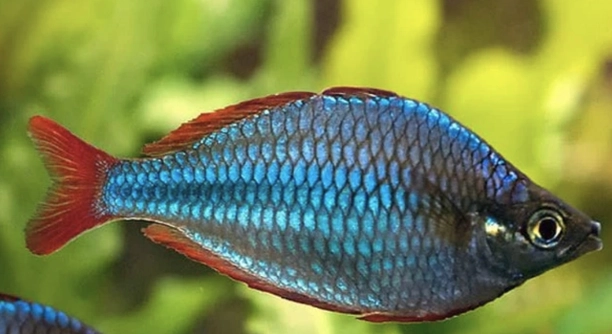
Rainbow Fish are known for their vibrant colors and peaceful nature. If you’re setting up a community tank, understanding which species can coexist is essential. Among these, livebearers are popular tank mates, but compatibility varies.
Rainbow Fish can live with livebearers under certain conditions. Both species prefer similar water temperatures and peaceful environments, making them generally compatible. However, ensuring enough space and monitoring behavior are key factors to avoid stress or aggression.
Proper tank conditions, such as space, water quality, and fish behavior, can help maintain harmony. Understanding these details will guide you in creating a balanced and peaceful community tank.
Tank Setup for Rainbow Fish and Livebearers
When setting up a tank for Rainbow Fish and livebearers, it’s crucial to create an environment that supports both species’ needs. These fish thrive in similar conditions, requiring stable water temperatures between 75°F and 80°F. Both species also prefer a peaceful environment, so overcrowding should be avoided. A well-planted tank is ideal, as it provides hiding spots and reduces stress. Proper filtration is important to maintain water quality, as both species are sensitive to poor conditions. Ensuring ample space for swimming is necessary to prevent territorial disputes.
Livebearers tend to be active swimmers and appreciate plenty of space to move freely. Avoid keeping too many fish in a small tank, as this can increase stress levels. A minimum of 30 gallons is recommended for a peaceful tank setup.
Providing hiding spots for both species can help ease aggression. Livebearers, in particular, might feel more secure in areas with dense plants or decorations. This setup will reduce stress, allowing your Rainbow Fish and livebearers to coexist peacefully.
Fish Compatibility and Behavior
It’s important to monitor fish behavior closely when mixing different species. Although Rainbow Fish and livebearers are generally peaceful, they can become territorial if stressed. Both fish types have specific needs for space and swimming area, which should be taken into account when considering their tank mates. Aggression can also arise when fish feel overcrowded or when there isn’t enough food. Regularly observe the fish for signs of stress, such as fin nipping or hiding, and make adjustments if needed.
Rainbow Fish are not overly aggressive, but they might show territorial behavior, particularly males. Livebearers, especially in groups, tend to be more active and can sometimes irritate slower-moving fish. Ensure that the tank provides plenty of hiding spots, as these can give less dominant fish a safe retreat from the more dominant ones. Proper tank decoration with plants, rocks, or driftwood is vital for creating a balanced environment. A healthy tank setup should encourage natural behaviors without causing harm to the fish.
Water Parameters and Tank Conditions
Maintaining proper water conditions is essential for both Rainbow Fish and livebearers. Both species thrive in slightly acidic to neutral water with a pH level between 6.5 and 7.5. Regular water changes help ensure optimal conditions, as both types of fish are sensitive to water quality fluctuations. Keeping the water temperature stable is also important, so invest in a reliable heater for consistency.
Water hardness should also be considered. Both species prefer moderately hard water, with a general hardness of 8-12 dGH. To avoid stress, test the water regularly to ensure all parameters are within the acceptable range. Poor water quality can lead to illness, so always ensure proper filtration to remove excess waste and toxins. Regular maintenance, such as removing uneaten food and checking water levels, will help keep the environment suitable for your fish.
Providing an effective filtration system ensures that your tank remains clean and free of harmful substances. Both Rainbow Fish and livebearers prefer clean water, which supports healthy gill function and minimizes the risk of diseases. High-quality filtration is especially necessary in tanks with multiple fish.
Feeding and Diet
Both Rainbow Fish and livebearers are omnivores, which means they will accept a variety of foods. Flake food and pellets can form the basis of their diet, but they also enjoy live or frozen foods like brine shrimp and daphnia. Variety in their diet helps ensure they receive all the nutrients they need to thrive. Both species also require vitamins and minerals, so supplementing with occasional plant matter is beneficial.
Feed your fish in small amounts several times a day. Overfeeding can lead to water quality issues and stress. Ensure that all fish can eat without competition, as dominant fish may hog the food. Both species are quick to take food, but ensure the food doesn’t sink too quickly. Watching your fish eat will help you gauge their feeding habits and avoid waste buildup at the bottom of the tank.
Livebearers may also enjoy the occasional algae-based food, which can complement their diet and add variety. While Rainbow Fish generally prefer protein-rich foods, offering some vegetable matter like spirulina flakes will support a balanced diet for both species.
Tank Mates to Avoid
Some fish species can be too aggressive or too large to live peacefully with Rainbow Fish and livebearers. Avoid species like cichlids, particularly larger or territorial ones. Also, be cautious with fin-nipping species like barbs, which could harass your fish.
Fish that are overly aggressive can cause stress and injury to your tank mates. It’s important to consider not only the size but also the behavior of potential tank mates. Aggressive fish may chase or bite your Rainbow Fish and livebearers, making it difficult for them to thrive.
Some species may also compete for food, leaving your Rainbow Fish and livebearers malnourished. It’s always better to choose peaceful and similarly sized fish that won’t pose a threat. Compatibility is key to ensuring a harmonious environment.
Tank Maintenance and Cleanliness
Regular tank maintenance is crucial for the health of both Rainbow Fish and livebearers. Perform weekly water changes, removing around 25% of the water to keep the levels of toxins low. This will prevent harmful bacteria and parasites from building up.
Clean the tank substrate during water changes by vacuuming the gravel. This will help remove debris and uneaten food, reducing the chance of water contamination. Also, clean your filter regularly, as a clogged filter can lead to poor water circulation. Removing algae from tank walls will also help maintain water quality.
Maintaining stable water conditions requires attention to detail. Test the water regularly for pH, ammonia, nitrate, and nitrite levels. A well-maintained tank will ensure that your fish stay healthy and vibrant, avoiding unnecessary stress or illness. Regular maintenance is one of the best ways to ensure longevity and happiness for your fish.
FAQ
Can Rainbow Fish live with all types of livebearers?
Rainbow Fish can generally live with most types of livebearers, but compatibility depends on the specific species. Peaceful livebearers like guppies, mollies, and platys are good choices. However, species like swordtails and some larger livebearers may be more aggressive and might cause stress. Always observe fish behavior to ensure they are getting along.
What water temperature is best for Rainbow Fish and livebearers?
Both Rainbow Fish and livebearers thrive in water temperatures between 75°F and 80°F. Keeping the water temperature within this range is essential to maintain their health and activity levels. Too high or too low temperatures can cause stress, making the fish more susceptible to illness.
Are Rainbow Fish and livebearers compatible with each other?
Yes, Rainbow Fish and livebearers can coexist peacefully if given enough space and proper care. Both species prefer similar water conditions and peaceful tank environments, but ensuring a spacious tank and plenty of hiding spots is key to avoiding any territorial disputes. Monitoring behavior is essential.
How many Rainbow Fish and livebearers can I keep together?
The number of fish you can keep depends on the size of your tank. A 30-gallon tank is the minimum recommended for a community of Rainbow Fish and livebearers. As a general guideline, aim for 1 inch of fish per gallon, but ensure that the fish have enough space to swim freely. Overcrowding can lead to stress and health issues.
Do livebearers need a separate breeding tank?
Livebearers breed easily in community tanks, but if you don’t want baby fish, it might be a good idea to set up a separate breeding tank. In a mixed tank, baby fish may get eaten by other tank mates. If you want to raise them, separate breeding or nursery tanks provide a safer environment for fry.
What are the signs of stress in Rainbow Fish and livebearers?
Stress in both Rainbow Fish and livebearers can manifest in several ways. Look for behaviors like hiding, erratic swimming, loss of appetite, or visible damage like torn fins. Stress can also lead to faded colors. If these signs are present, check water quality, tankmates, and environmental conditions.
What is the best way to prevent aggression between Rainbow Fish and livebearers?
To prevent aggression, ensure that your tank is large enough and has enough hiding spots for both species. Avoid overcrowding, and make sure there is plenty of space for each fish. Avoid keeping overly territorial or aggressive fish species. Also, feed regularly but in small amounts to reduce competition for food.
Do Rainbow Fish and livebearers require the same water hardness?
Yes, both Rainbow Fish and livebearers prefer moderately hard water, with a general hardness of 8-12 dGH. If the water is too soft or too hard, it can stress the fish. Regularly check your tank’s water hardness, and adjust it as needed to ensure a comfortable environment for both species.
Can Rainbow Fish and livebearers live in freshwater only?
Both Rainbow Fish and livebearers are freshwater species. While they can tolerate a small range of salinity, they generally do best in freshwater environments. Be sure to maintain appropriate water conditions, such as pH, temperature, and hardness, to support their health.
What kind of tank decorations do Rainbow Fish and livebearers prefer?
Both Rainbow Fish and livebearers appreciate a well-decorated tank with plenty of plants, rocks, and driftwood. Livebearers tend to be more active, so they benefit from open swimming spaces, while Rainbow Fish appreciate both plants and open water. Decor should also include hiding spots for less dominant fish to reduce stress.
How do I know if my livebearers are pregnant?
Pregnant female livebearers will show a noticeable gravid spot near their abdomen, a darkened area that indicates developing fry. As the pregnancy progresses, the female will become rounder, and the spot will become more pronounced. Some species may also become more inactive or spend more time hiding.
What type of filtration do Rainbow Fish and livebearers need?
Both Rainbow Fish and livebearers require a good filtration system to maintain water quality. Choose a filter that is gentle enough to avoid strong currents but powerful enough to keep the water clean. Sponge filters or hang-on-back filters are commonly used in community tanks, as they provide adequate filtration without disturbing the fish too much.
Can livebearers and Rainbow Fish live in a tank with plants?
Yes, plants are a great addition to a tank with both Rainbow Fish and livebearers. Livebearers appreciate plants for hiding places, and plants also provide natural filtration and oxygenation. Rainbow Fish enjoy swimming around plants and will often use them as cover. Choose hardy plants that can withstand the activity in the tank.
How often should I feed Rainbow Fish and livebearers?
Feed both Rainbow Fish and livebearers small amounts of food two to three times a day. Overfeeding can lead to water quality issues, so feed only what your fish can consume within a few minutes. A varied diet, including flakes, pellets, and occasional live or frozen food, will keep them healthy and vibrant.
How can I maintain water quality for my fish?
Regular water changes are key to maintaining good water quality. Change 20-25% of the tank water every week, and clean the tank substrate to remove waste and leftover food. Also, check water parameters like ammonia, nitrites, and nitrates regularly. A reliable filter system will help keep water clean, but routine maintenance is still important.
Do Rainbow Fish and livebearers need a lot of light?
Rainbow Fish and livebearers do well with moderate lighting. Too much light can encourage algae growth, while too little light may cause stress and hinder the natural behavior of your fish. Aim for 10-12 hours of light per day, using a timer to keep the lighting consistent and help mimic a natural day-night cycle.
Are Rainbow Fish and livebearers prone to any diseases?
Like all fish, Rainbow Fish and livebearers can suffer from common fish diseases, including ich, fin rot, and swim bladder disease. Maintaining good water quality, feeding a balanced diet, and observing your fish regularly for any signs of illness can help prevent outbreaks. Early detection is key to treating diseases effectively.
Final Thoughts
When considering keeping Rainbow Fish with livebearers, it’s important to ensure that both species have compatible temperaments and similar care needs. Rainbow Fish are generally peaceful, colorful fish that thrive in a well-maintained aquarium. Livebearers, such as guppies, mollies, and platies, are also peaceful and do well in groups. Their compatibility mostly depends on their environment and the size of the tank. A well-planned setup with enough space and hiding spots for each species can lead to a thriving community.
Tank maintenance plays a crucial role in keeping both Rainbow Fish and livebearers healthy. Clean water, proper filtration, and regular water changes are essential for maintaining a stable environment. Both species are sensitive to poor water quality, so it’s important to test the water regularly for parameters such as pH, ammonia, and nitrate levels. Keeping the water clean and stable reduces stress, preventing illnesses that can affect the health of your fish. A well-maintained tank will also make it easier to manage the population of livebearers, ensuring that they don’t overpopulate the tank.
Ultimately, the success of keeping Rainbow Fish with livebearers comes down to proper planning and care. By choosing compatible species, providing a suitable environment, and maintaining good water quality, you can create a peaceful and vibrant aquarium. Pay attention to the individual needs of both species and make adjustments as necessary to ensure a harmonious tank. With the right conditions, Rainbow Fish and livebearers can coexist and thrive, creating a beautiful and healthy aquarium.

Hello,
If you enjoy the content that we create, please consider saying a "Thank You!" by leaving a tip.
Every little bit helps us continue crafting quality advice that supports the health, happiness, and well-being of pets around the world, for pets of all shapes, sizes, and species.
We really appreciate the kindness and support that you show us!