
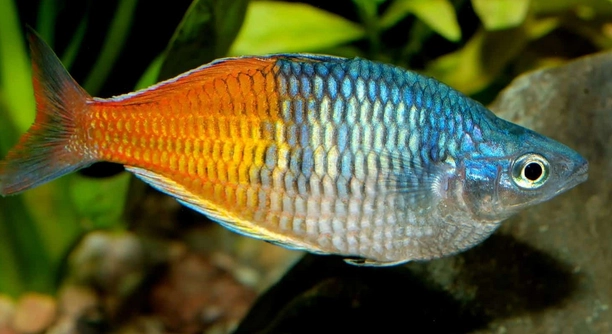
Rainbow fish are admired for their bright and colorful appearance, often seen in aquariums around the world. Their vibrant hues make them a favorite among fish enthusiasts. But can they change color? Let’s explore how and why.
Rainbow fish can indeed change color, primarily due to changes in their environment, health, and mood. This color shift is due to the special pigment cells in their skin called chromatophores, which respond to various factors.
Understanding the mechanisms behind their color-changing abilities can help you take better care of these beautiful creatures. By learning more about this process, you can appreciate the dynamic nature of rainbow fish even more.
Why Do Rainbow Fish Change Color?
Rainbow fish can change color for several reasons, mostly linked to their environment. In nature, this ability helps them adapt to different conditions, hide from predators, or attract mates. Stress, changes in light, temperature, and even the presence of other fish can trigger color changes. For instance, when they’re feeling threatened, their colors may fade, or they may become darker to blend in better with their surroundings.
The color changes are controlled by pigment cells in their skin called chromatophores. These cells can expand or contract, altering the appearance of the fish’s color. If a fish is healthy and calm, its colors will be vibrant, showcasing a spectrum of beautiful hues. When stressed or unwell, these colors can dull or change to darker shades. It’s a natural response that helps them survive.
Changes in a rainbow fish’s color are fascinating and give insight into its current health or mood. Observing these shifts can tell you a lot about how well your fish is doing, from its comfort level to its well-being.
Factors Affecting Rainbow Fish Color
Many factors can influence how rainbow fish change color. These include the lighting, water quality, temperature, and their social interactions. Even the time of day can play a role, as some species change color during specific periods.
For example, rainbow fish are more likely to show off their brightest colors during the breeding season. Males, especially, display vibrant hues to attract females. On the other hand, environmental stress can cause the fish to lose some of their brightness or even turn a darker shade.
The color-changing abilities of rainbow fish are more than just an interesting visual effect; they can also be seen as signals that indicate something important. Whether it’s a response to stress, illness, or excitement, their colors reflect how they’re feeling and interacting with their surroundings. Understanding these changes can help you keep your fish healthy and happy. Keeping the environment stable and providing proper care can make a big difference in how your fish look and feel.
How Stress Affects Rainbow Fish Color
Stress is one of the main reasons rainbow fish change their color. When they feel threatened, scared, or uncomfortable, they may show darker or duller shades. This is often a sign that something in their environment is off, whether it’s too much noise, overcrowding, or poor water conditions.
Fish need a calm, stable environment to thrive. If their tank has sharp temperature fluctuations, too many fish, or insufficient hiding spots, the fish can become stressed, and their colors will reflect this. Changes in color can also signal sickness or injury, so it’s important to check their surroundings and their health regularly. Stress can also weaken their immune system, leading to further issues.
Providing the right conditions for rainbow fish—like clean water, appropriate tank mates, and a peaceful atmosphere—helps reduce stress and keeps their colors vibrant. Stress-free fish will have the chance to display their most beautiful and vivid colors, which is a sign of good health and well-being.
How to Help Your Rainbow Fish Maintain Healthy Colors
Creating a healthy tank environment is key to ensuring rainbow fish keep their colors bright. Start by maintaining good water quality, which includes regular cleaning and ensuring the pH, hardness, and temperature levels are within the fish’s ideal range. This minimizes stress and keeps them comfortable.
Proper nutrition also plays a significant role in maintaining vibrant colors. Offering a varied diet with high-quality fish food, including proteins, vegetables, and occasional live food, ensures your rainbow fish stay healthy. A balanced diet supports their immune system and allows them to fully develop their color-changing abilities.
Additionally, avoid overcrowding the tank and provide enough space for each fish. Rainbow fish are social, but too many fish in one space can lead to aggression and stress. Keeping your tank clean and maintaining a steady routine helps your fish feel secure and supports their natural ability to display beautiful colors.
The Role of Light in Color Changes
Lighting plays a huge part in how rainbow fish look. Different lighting can enhance or dull their colors. Bright, natural light helps to show off their vibrant hues, while dim lighting may cause them to appear darker or less colorful.
In aquariums, it’s important to mimic natural lighting. Fish benefit from both daytime and nighttime cycles, so avoid keeping the tank lights on 24/7. A regular light-dark schedule helps maintain their health and color. Too much artificial light or low lighting can affect their color display.
The Influence of Water Temperature on Color
Temperature is another important factor influencing rainbow fish’s color. Fish are cold-blooded, meaning their body temperature changes with the water around them. If the water is too warm or too cold, it can stress the fish and affect their color.
Keeping the water temperature within the recommended range for rainbow fish (typically between 72-78°F) will help them maintain bright, healthy colors. Water that is too warm can cause them to become stressed, while cold water can make them sluggish. Always check the temperature regularly to keep your fish happy and colorful.
Social Interactions and Color Shifts
Rainbow fish’s colors can also change depending on their social interactions. Males, in particular, will display brighter colors to attract females, especially during breeding periods. This is part of their natural behavior, helping them stand out and catch the attention of potential mates.
If there’s a dominant male in the tank, other males may show less vibrant colors to avoid confrontation. The dynamics of your tank can have a direct impact on how colorful your fish appear. Providing a balanced social environment will help your rainbow fish feel secure and confident enough to show their full range of colors.
FAQ
Can rainbow fish change color instantly?
Rainbow fish can change their color quickly, but not instantly. Their chromatophores, the pigment cells in their skin, can respond rapidly to environmental changes like light, temperature, or stress. However, it may take a little time for their full color change to show. For example, if they become stressed, their colors might dull within minutes, but their return to brighter hues can take hours or even longer, depending on the situation.
What colors do rainbow fish change to?
Rainbow fish can display a wide range of colors, including blue, green, yellow, orange, red, and even black. The colors can vary between species and can be influenced by their mood, health, and environment. Under stress, their colors tend to darken, while healthy, happy fish will show more vibrant and intense hues.
Do rainbow fish change color when they breed?
Yes, male rainbow fish often change color during the breeding season. Their colors become brighter and more vibrant to attract females. These vivid colors are part of their mating display, helping them stand out and signal their readiness to mate. Females, on the other hand, tend to maintain a more subdued coloration during this time.
Why is my rainbow fish losing its color?
If your rainbow fish is losing its color, it could be due to stress, poor water conditions, or illness. Common causes include fluctuating water temperatures, overcrowded tanks, or aggressive tank mates. Make sure your fish have a stable environment, and check water parameters like pH, temperature, and ammonia levels. If the loss of color persists, it could be a sign of an underlying health issue.
Can poor water quality affect rainbow fish color?
Yes, poor water quality is one of the main factors affecting rainbow fish color. When the water is polluted or has high levels of toxins, such as ammonia or nitrites, fish can become stressed, leading to dull or faded colors. Regular water changes, proper filtration, and testing water parameters can help keep the tank clean and ensure your fish stay healthy and colorful.
How does stress affect rainbow fish color?
Stress is a significant factor in color change. When rainbow fish feel threatened or uncomfortable, they may show darker or more muted colors. Stress can be caused by overcrowding, aggressive tank mates, sudden changes in water temperature, or even excessive handling. Keeping the tank environment stable and peaceful will help minimize stress and maintain the fish’s vibrant colors.
Can rainbow fish change color with the seasons?
Some species of rainbow fish may change their coloration slightly with the seasons, particularly during breeding seasons. For instance, males may show more vivid colors to attract mates. However, these changes are not drastic and are primarily influenced by factors such as lighting, temperature, and social behavior, rather than the actual season of the year.
Do rainbow fish need special lighting to display their colors?
Rainbow fish do best in aquariums with natural or bright light. Good lighting enhances their colors, making them appear more vibrant. Dim lighting can cause them to look dull or muted. However, it’s important to avoid excessive or harsh artificial lighting, as this can cause stress and affect their health. A balanced light cycle with both day and night periods is best for their well-being.
Can rainbow fish colors be affected by the tank size?
Tank size can indirectly affect rainbow fish color. If the tank is too small, the fish may become stressed due to overcrowding or insufficient space to swim. This stress can cause them to lose some of their vibrancy. A larger tank gives them more space to move freely and thrive, reducing stress and helping them display their full range of colors.
Is it possible for rainbow fish to permanently change color?
Rainbow fish can permanently change color if their environment or health is significantly altered. For example, if the fish experiences chronic stress, poor water quality, or illness, their colors may remain dull or darker over time. However, with the proper care and stable conditions, rainbow fish can regain their natural vibrancy and color.
Do rainbow fish lose their color as they age?
As rainbow fish age, their colors may naturally fade or become less intense. This is especially common in older fish, as they may not have the same energy or health as younger ones. However, this fading is usually gradual. If the color loss is rapid, it may indicate health or environmental issues that need attention.
Final Thoughts
Rainbow fish are fascinating creatures known for their ability to change color. Their vibrant hues can shift depending on several factors, including their environment, stress levels, and social interactions. Understanding these color changes is important for anyone keeping rainbow fish as pets. It’s not just about aesthetics; the colors are a reflection of their health and well-being. A fish that is displaying bright colors is typically healthy and thriving, while dull or darkened colors may indicate stress, illness, or poor living conditions.
Maintaining a stable environment for rainbow fish is key to ensuring they stay vibrant and healthy. This means paying attention to factors like water quality, temperature, and lighting. Keeping the water clean, with proper filtration and regular water changes, helps minimize stress. It’s also essential to make sure the fish are not overcrowded, as this can lead to stress and aggression, which can affect their color. Providing enough hiding spots and suitable tank mates can help keep the fish comfortable and reduce the chances of them changing color due to stress.
If you notice your rainbow fish losing color or showing signs of stress, it’s important to assess their living conditions. Check the water parameters like pH, ammonia, and nitrate levels, and make sure the temperature is in the right range. Stress is a major factor in color changes, so creating a calm, peaceful environment is essential for keeping your rainbow fish healthy. With the right care, you can enjoy the full range of beautiful colors these fish are known for, and keep them thriving in your aquarium for years to come.

Hello,
If you enjoy the content that we create, please consider saying a "Thank You!" by leaving a tip.
Every little bit helps us continue crafting quality advice that supports the health, happiness, and well-being of pets around the world, for pets of all shapes, sizes, and species.
We really appreciate the kindness and support that you show us!