
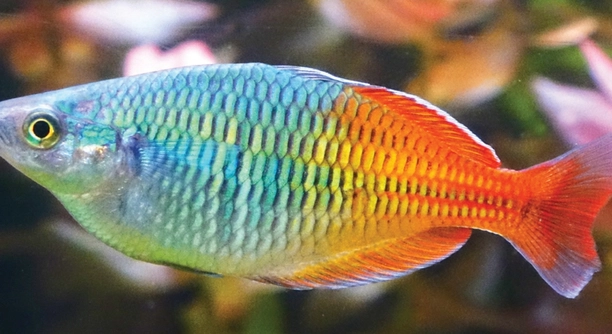
Rainbow fish are popular aquarium pets, known for their colorful scales and active nature. Their care often includes considerations of their environment, including the space they need to thrive. Understanding their preferences can help improve their well-being.
Rainbow fish generally prefer spacious, open areas in their habitat, as it allows for more natural swimming behaviors. A large tank with open swimming spaces can promote their physical and mental health, offering them freedom to explore.
Proper tank size and environment can contribute to the overall health of rainbow fish. Ensuring their space is spacious and accommodating is essential for their comfort and longevity.
Why Space Matters for Rainbow Fish
Rainbow fish, like many aquarium species, thrive in environments where they feel free to move around. In the wild, they are used to swimming in large, open bodies of water. Their instinctive behavior is to swim in schools, covering large distances. A cramped environment may cause stress, leading to health problems. A spacious tank allows them to express natural behaviors, which is key to their overall well-being.
A spacious environment encourages natural swimming patterns, reduces stress, and promotes healthy growth. Keeping rainbow fish in larger tanks makes it easier for them to adjust to their surroundings and interact with tank mates.
In addition to offering ample space for swimming, the layout of the tank matters too. Plants, rocks, and other decorations can provide hiding spots but should not obstruct swimming lanes. A well-balanced setup with open spaces allows rainbow fish to swim freely while still offering areas to rest. Regular tank maintenance ensures that the space remains safe and enjoyable for them.
Tank Size and Rainbow Fish Behavior
A tank that is too small limits rainbow fish movement, leading to frustration and poor health.
The minimum recommended tank size for rainbow fish is usually around 30 gallons for a small school. However, the larger the tank, the better it is for their long-term health. A larger tank mimics their natural habitat, offering more freedom to swim and explore.
When kept in tight spaces, rainbow fish may show signs of aggression, not only towards each other but also towards tank mates. This behavior is often triggered by stress. When they have room to move, their aggression tends to decrease, and their social dynamics improve. Additionally, more space allows for a balanced aquarium environment, with better water quality and oxygen levels. Fish are less likely to suffer from poor water conditions when the tank is spacious enough to allow for proper filtration.
Tank Layout for Rainbow Fish
Rainbow fish appreciate a tank that offers variety without overcrowding. Simple elements like plants and smooth rocks are great, but the key is ensuring open swimming paths. Avoid over-decorating or adding too many obstacles that may limit their movement.
Plants should be placed toward the back or along the edges, leaving plenty of space in the center for the fish to swim. Avoid tall plants in the middle that could block their natural path. Rocks and decorations can create hiding spaces but should be spread out to maintain clear swimming areas. A few well-placed decorations will provide comfort and security without crowding the tank.
It’s important to remember that rainbow fish are active swimmers and need room to move around freely. While a few plants or rocks add natural beauty, overcrowding the tank will cause stress. Keeping the layout simple but functional ensures that your fish remain happy and healthy. A well-thought-out tank design can help maintain the balance between aesthetic appeal and the fish’s need for open space.
Water Conditions for Rainbow Fish
Water temperature and quality can impact the health of rainbow fish. Maintaining stable conditions is essential for their well-being.
Rainbow fish do best in a temperature range of 74°F to 80°F (23°C to 27°C). The water should be slightly acidic to neutral, with a pH between 6.5 and 7.5. Regular water changes are important to keep the environment clean.
Along with proper temperature and pH levels, oxygenated water is crucial for rainbow fish. An air pump or strong filtration system helps keep the water moving, promoting healthy oxygen exchange. Stagnant water can lead to health problems, making filtration a necessary part of tank setup.
Tank Mates for Rainbow Fish
Rainbow fish are generally peaceful, but they still need compatible tank mates. Avoid aggressive or territorial species that might stress them out.
Species like tetras, guppies, or peaceful barbs work well with rainbow fish. These fish share similar water requirements and temperaments, making them good tank mates. Keep in mind that overcrowding can cause stress, even among peaceful species.
Feeding Rainbow Fish
Rainbow fish are not picky eaters, but a varied diet is important for their health. Offer a mix of flakes, pellets, and live or frozen foods.
In addition to flakes or pellets, occasional treats like brine shrimp or bloodworms can encourage healthy growth and vibrant colors. Proper nutrition supports their immune system, so feeding them a variety of foods is essential for their long-term well-being.
Maintenance and Care
Regular maintenance is crucial for keeping rainbow fish healthy. Perform partial water changes every week to maintain good water quality.
Check the water temperature, pH, and ammonia levels regularly to ensure they remain within the ideal range. Also, clean the filter every couple of weeks and remove any uneaten food to avoid water contamination.
FAQ
Do rainbow fish need a large tank?
Yes, rainbow fish benefit from having a larger tank. A bigger tank provides more room for swimming, which is essential for their health. While a 30-gallon tank can work for a small group, a larger tank (50 gallons or more) will offer them more space to move freely. More space also reduces the chances of stress, which can lead to health issues.
Can rainbow fish live with other species?
Rainbow fish are peaceful and generally do well with other non-aggressive species. Ideal tank mates include species like tetras, guppies, and peaceful barbs. Avoid aggressive fish or those that might harass them, such as cichlids. When choosing tank mates, make sure all species share similar water conditions to keep everyone healthy.
What is the best water temperature for rainbow fish?
Rainbow fish prefer water temperatures between 74°F and 80°F (23°C to 27°C). Keeping the water within this range ensures they remain comfortable and healthy. Temperatures outside this range can stress them and make them more susceptible to diseases. Use a reliable heater to maintain a consistent temperature in the tank.
How often should I feed rainbow fish?
Rainbow fish should be fed twice a day, offering only as much food as they can consume in a few minutes. Overfeeding can lead to water quality issues, so it’s important to monitor their intake. A varied diet is essential for their health, including high-quality flake food, pellets, and occasional live or frozen foods like brine shrimp and bloodworms.
Can rainbow fish live in a tank without plants?
While rainbow fish can survive in a tank without plants, adding plants to their environment is beneficial. Plants offer hiding spots, mimic their natural habitat, and help maintain good water quality by absorbing excess nutrients. Just be sure the plants don’t overcrowd the swimming space.
What type of substrate should I use for rainbow fish?
Rainbow fish do well with a fine, sandy substrate or smooth gravel. Avoid sharp edges that could harm their delicate fins. The substrate should be easy to clean to prevent the buildup of waste. It’s also important to keep the substrate clean to maintain good water quality.
Do rainbow fish require a filter?
Yes, a filter is essential for maintaining good water quality in the tank. Rainbow fish need clean, oxygenated water to stay healthy. A filter helps remove debris, waste, and excess nutrients, which can cause harmful algae growth. Be sure to choose a filter that matches the size of your tank.
How long do rainbow fish live?
Rainbow fish can live for up to 5 to 8 years with proper care. Ensuring they have a good diet, a well-maintained tank, and compatible tank mates will help extend their lifespan. Consistent water quality and stable conditions are key factors in keeping them healthy throughout their lives.
Do rainbow fish need a lot of light?
Rainbow fish do not require intense lighting, but they do benefit from a consistent light cycle. A natural 12-hour light and 12-hour dark cycle is ideal. Avoid very bright or direct lighting, as it can stress the fish and promote algae growth. Moderate lighting helps highlight their vibrant colors without overwhelming them.
Why are my rainbow fish not eating?
If rainbow fish stop eating, it could be due to stress, poor water quality, or illness. First, check the water parameters and make sure they’re within the ideal range. If the conditions are fine, consider any changes in the tank that might be stressing the fish, such as new tank mates or frequent movement around the tank. Illness is also a possibility, so keep an eye out for any unusual behavior or physical signs.
How many rainbow fish should I keep together?
Rainbow fish are schooling fish and should be kept in groups of at least 5 to 6 individuals. Keeping them in a group helps reduce stress and encourages natural behavior. A larger school will be even better, especially in larger tanks, as it helps them feel secure and promotes a sense of social interaction.
Can rainbow fish be bred in captivity?
Yes, rainbow fish can be bred in captivity, but it requires proper conditions. Set up a breeding tank with soft water, stable temperature, and some plants or mesh for the eggs to stick to. Ensure the fish are well-fed and healthy. The eggs will hatch in a few days, and the fry can be fed infusoria or baby brine shrimp.
What is the best way to introduce rainbow fish to a new tank?
When introducing rainbow fish to a new tank, do it gradually to minimize stress. Acclimate them slowly by floating the bag in the tank and slowly mixing the tank water with the water in the bag over 20-30 minutes. This process helps them adjust to the water temperature and conditions.
Can rainbow fish handle strong currents?
Rainbow fish prefer moderate water flow. While they can tolerate some current, they do not thrive in very strong currents. If your tank has a strong filter or water flow, you can place plants or decorations to create calmer areas for them to swim comfortably. Make sure the flow isn’t overwhelming.
Final Thoughts
Rainbow fish are beautiful and active fish that can make a great addition to any aquarium. They thrive in spacious tanks where they have room to swim and explore. When choosing tank mates, it’s important to select species that are peaceful and share similar water requirements to avoid stress and aggression. Providing a good balance of open swimming space along with hiding spots can help them feel comfortable in their environment. Keeping a variety of plants, rocks, and decorations in the tank will give them a more natural habitat, but it’s essential not to overcrowd the space.
Maintaining the right water conditions is key to the health of rainbow fish. They do best in stable water temperatures between 74°F and 80°F and prefer slightly acidic to neutral water with a pH between 6.5 and 7.5. Regular water changes and proper filtration will keep the water clean, which is necessary for their well-being. Ensuring good oxygen levels and using a reliable filter will help prevent water quality issues that could lead to health problems. It’s also important to monitor ammonia and nitrate levels, as these can quickly become toxic if not kept in check.
Feeding rainbow fish is simple, as they’re not picky eaters. A varied diet that includes flakes, pellets, and occasional live or frozen foods like brine shrimp and bloodworms will help keep them healthy and vibrant. It’s best to feed them small portions twice a day, ensuring they eat everything within a few minutes to avoid polluting the water. With proper care, rainbow fish can live for many years, bringing color and activity to your aquarium. By providing the right environment, monitoring water quality, and offering a balanced diet, you’ll ensure your rainbow fish stay happy and healthy for a long time.

Hello,
If you enjoy the content that we create, please consider saying a "Thank You!" by leaving a tip.
Every little bit helps us continue crafting quality advice that supports the health, happiness, and well-being of pets around the world, for pets of all shapes, sizes, and species.
We really appreciate the kindness and support that you show us!