
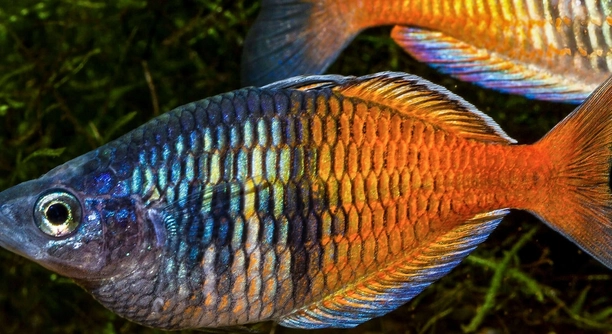
Rainbow fish are popular aquarium pets known for their bright colors and peaceful nature. Many aquarium owners wonder what happens if they are kept alone, away from their usual shoals. Let’s explore this topic.
Rainbow fish are social creatures that thrive in groups. Keeping them alone may lead to stress, reduced activity, and a lack of natural behavior, negatively affecting their well-being. They are best kept in small groups for a balanced life.
The right social environment is crucial for maintaining the health of your rainbow fish. Understanding this will help you provide the best care for your aquatic friend.
Why Rainbow Fish Need to Be in Groups
Rainbow fish are naturally social animals that thrive in the company of others. In their natural habitats, they form tight-knit shoals that help protect them from predators and provide a sense of security. When kept alone, rainbow fish can feel isolated, which can cause them to become stressed. This stress can lead to physical symptoms like faded colors and lethargy. Without the companionship of their kind, they might also become more susceptible to illness.
While it’s possible for a rainbow fish to survive alone, it won’t flourish in the same way it would in a group. The social interaction with other rainbow fish encourages movement and activity, which are essential for their physical and mental health. These fish are known for their playful nature, which is often exhibited when they are in a group. The constant interaction with others helps keep them engaged and less stressed.
In short, rainbow fish are better off in groups. Keeping them with other rainbow fish mimics their natural environment, allowing them to express their full potential. A lone rainbow fish may not live as happily or healthily as one that’s surrounded by its peers.
How to Provide the Right Environment
It’s important to set up your aquarium to allow your rainbow fish to thrive. A tank that’s too small or lacks enough hiding spots can make them feel exposed and stressed.
A good-sized tank with proper filtration and enough space for multiple fish is ideal. Rainbow fish need swimming room to move around freely. Also, providing some plants or decorations that offer hiding spots can help create a more secure environment. When setting up the tank, always make sure to have enough space for the group. Ideally, aim for at least five to six fish, as smaller groups can still cause social stress. A well-maintained tank that mimics their natural surroundings will keep them happy and active.
For the best results, also ensure that the water quality is consistently high. Regular water changes, proper temperature control, and monitoring pH levels will further contribute to the overall health of your rainbow fish. When they feel comfortable and safe, rainbow fish are less likely to experience stress and other health issues.
How a Single Rainbow Fish Behaves Alone
A lone rainbow fish might appear calm at first but will show signs of stress over time. Its colors may dull, and it could become less active. Without the social interactions it craves, the fish could also become more timid or aggressive.
Without other rainbow fish around, your fish may exhibit unusual behavior, such as hiding for long periods or swimming aimlessly. This lack of stimulation can lead to a decrease in appetite, making it harder for the fish to maintain a healthy weight. Over time, the constant stress can also make it more susceptible to diseases. Healthy fish need interaction and movement to stay physically and mentally strong. If you notice these signs, it’s a clear indicator that your rainbow fish needs a group of its own kind to feel safe and comfortable.
In the absence of a group, rainbow fish can develop irregular swimming patterns. They might swim near the surface or linger near the tank walls. This behavior is typically due to the stress of isolation. When housed with other rainbow fish, they become more active and engage in social behaviors like chasing or schooling together. Their natural tendency to be around others helps them feel secure.
How to Help a Single Rainbow Fish
If you currently have a lone rainbow fish, adding more fish to its tank may be the best way to help. Ensure the new fish are compatible with the existing one to prevent aggression or territorial issues.
It’s important to introduce them gradually. Start by adding the new fish in smaller groups, so the existing rainbow fish doesn’t feel overwhelmed by too many newcomers at once. Gradual introductions allow the fish to adjust to one another and avoid the stress of an immediate group change. If you can, try to add similar-sized fish that are of the same species to encourage natural schooling behavior. However, avoid introducing aggressive fish that may harm your rainbow fish. Keeping the tank environment calm and stable helps ease the transition for both the new and existing fish.
Can a Single Rainbow Fish Live with Other Species?
It is possible for a single rainbow fish to live with other species, but it’s not ideal. Rainbow fish thrive best with their own kind, even if they coexist peacefully with other tank mates. Social interaction with other rainbow fish is crucial.
If you choose to keep a lone rainbow fish with other species, make sure the other fish are non-aggressive and compatible in terms of size and water requirements. Some peaceful species like tetras, mollies, or gouramis can be a good match. However, the rainbow fish will still miss the company of its own kind. It may not interact the same way it would with fellow rainbow fish. Also, ensure that the other species don’t crowd or stress the rainbow fish.
Fish like cichlids or bettas, on the other hand, could be more aggressive and may stress the rainbow fish. The tank size should also be sufficient to accommodate both the rainbow fish and its tank mates, giving everyone enough space to thrive without competing for resources.
Importance of a Group for a Happy Rainbow Fish
When kept alone, rainbow fish can experience mental and physical stress. This affects their overall health. A group provides the social structure they need for a healthy and active lifestyle. Without it, they can become lethargic or anxious.
Keeping your rainbow fish in groups allows them to express natural behaviors, like schooling and interacting with others. This helps in reducing stress, keeping them more active and engaged. When surrounded by their kind, they feel secure and more comfortable in their environment.
FAQ
Can rainbow fish live alone in a tank?
Rainbow fish can survive alone, but they are social animals that thrive in groups. When kept alone, they may become stressed, which can lead to health problems like faded colors, reduced activity, and a weakened immune system. The best way to keep them happy and healthy is by housing them with at least a few other rainbow fish. A single rainbow fish may not exhibit its usual playful and vibrant nature without the companionship of others.
How many rainbow fish should I keep together?
The ideal group size for rainbow fish is at least five to six individuals. This allows them to exhibit natural social behaviors, like schooling and foraging together. Keeping a small group will help them feel secure and reduce stress. Larger groups are also fine if your tank has enough space, but they will still do well in a smaller group as long as it’s above three fish.
Are rainbow fish aggressive towards other species?
Rainbow fish are generally peaceful and not known for aggression, but their behavior can vary depending on the species and tank conditions. They can live peacefully with many other species as long as those species are not overly aggressive or territorial. It’s essential to choose tank mates that share similar water temperature and pH preferences, and avoid fish that may stress or bully them.
What are the signs that a rainbow fish is stressed?
Signs of stress in rainbow fish include dull colors, lack of appetite, erratic swimming, hiding for extended periods, and slower movements. They may also become more territorial or aggressive towards other fish. If your rainbow fish shows these signs, it’s often a signal that something is wrong with its environment or social conditions. Stress can also make them more vulnerable to disease, so it’s important to address any issues promptly.
Can rainbow fish live in a community tank?
Yes, rainbow fish can live in a community tank as long as the other species are peaceful and not overly aggressive. They are compatible with other non-aggressive fish like tetras, mollies, and gouramis. However, they still benefit from being kept with their own kind. A community tank should be well-balanced in terms of space, hiding spots, and tank mates to ensure all the fish are comfortable.
What size tank do rainbow fish need?
For a small group of rainbow fish (around five to six), a tank size of at least 30 gallons is recommended. This gives the fish enough space to swim and interact without overcrowding. The larger the tank, the more room for additional fish and decorations, which will help create a more natural environment. A well-maintained tank with proper filtration will help keep the water clean and healthy.
How do I introduce new rainbow fish to the tank?
When adding new rainbow fish, it’s important to do so gradually. Introduce them one at a time or in small groups to avoid overwhelming the existing fish. Make sure the water parameters are stable and that the new fish are of similar size to prevent bullying. It’s a good idea to use a quarantine tank for new arrivals to monitor for any signs of illness before introducing them to the main tank.
What do rainbow fish eat?
Rainbow fish are omnivores, so their diet should include a mix of high-quality flakes, pellets, and frozen or live foods like brine shrimp, daphnia, or bloodworms. They will also eat plant matter, so including some aquatic plants in the tank will allow them to graze. Offering a variety of foods will ensure they receive all the nutrients they need for a healthy diet. Avoid overfeeding, as this can lead to water quality issues.
How can I make my rainbow fish feel more comfortable?
To make your rainbow fish feel comfortable, provide them with a well-planted tank that offers hiding spots and swimming areas. A tank with soft, diffuse lighting and plenty of open space will allow the fish to feel secure. Keeping the water clean and maintaining stable temperature and pH levels are crucial for their health. Adding a few other rainbow fish will also make them feel less stressed and more at ease in their environment.
Can rainbow fish breed in captivity?
Yes, rainbow fish can breed in captivity, but the conditions need to be ideal. They require stable water conditions, a well-maintained tank, and a nutritious diet. When breeding, male rainbow fish often display more vibrant colors to attract females. Providing plenty of plants for the female to lay her eggs on will help encourage spawning. Once the eggs are laid, they should be removed to prevent the adult fish from eating them. It’s important to be ready for the extra care needed for the baby fish once they hatch.
Do rainbow fish need special water conditions?
Rainbow fish do best in soft to slightly hard water with a neutral to slightly alkaline pH. They prefer temperatures between 74-79°F (23-26°C). Regular water changes are essential to maintain a healthy environment, as rainbow fish are sensitive to poor water quality. A reliable filtration system will help keep the water clean, and regular monitoring of parameters like pH, ammonia, nitrite, and nitrate levels is necessary to ensure they thrive.
Final Thoughts
Rainbow fish are beautiful, peaceful creatures that add color and life to any aquarium. While they can survive alone, they thrive best when kept in groups. These fish are naturally social and rely on interaction with others for their well-being. When kept alone, they may become stressed, which can lead to various health issues. It’s important to remember that their social nature plays a key role in their overall happiness and health. A single rainbow fish, though it might survive, will not reach its full potential in a solitary environment.
When considering housing rainbow fish, the tank size, the number of fish, and the choice of tank mates all matter. A group of at least five to six rainbow fish is ideal, as it allows them to engage in natural schooling behavior. Keeping them in a peaceful, spacious environment will reduce stress and help them stay healthy. It’s important to choose compatible species if you plan to add other fish to the tank. Fish that are too aggressive may create tension and harm the overall environment. A well-balanced, peaceful aquarium is the key to keeping rainbow fish happy.
Overall, while rainbow fish can be kept with other species, having a group of their own kind is the best way to support their natural behaviors. Keeping them in the right environment with proper care and attention to their social needs will ensure they live a long, healthy life. Providing a tank that meets their needs is essential not only for their well-being but also for the enjoyment of having these vibrant, active fish in your aquarium.

Hello,
If you enjoy the content that we create, please consider saying a "Thank You!" by leaving a tip.
Every little bit helps us continue crafting quality advice that supports the health, happiness, and well-being of pets around the world, for pets of all shapes, sizes, and species.
We really appreciate the kindness and support that you show us!