
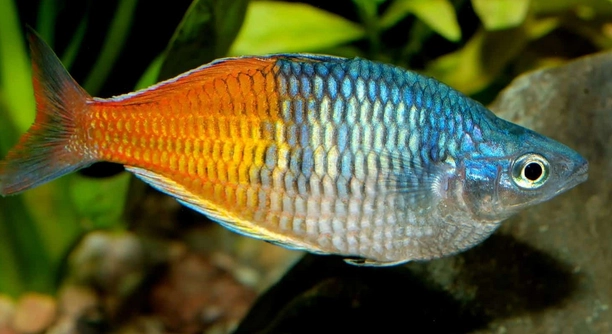
Rainbow fish are known for their vibrant colors, but there are many misconceptions about them. These myths can sometimes make it harder to care for them or understand their true nature. Let’s set the record straight.
Many myths about rainbow fish can lead to confusion and misconceptions. These fish are hardy and easy to care for, but they do have specific needs. Correcting these myths ensures that their care and habitat are optimized for their well-being.
Debunking these myths will help you better understand the needs of rainbow fish, ensuring they thrive in your aquarium.
Myth 1: Rainbow Fish Are Difficult to Care For
Many people believe that rainbow fish require special care or specific conditions to thrive. This myth often stems from the assumption that their vibrant colors mean they are fragile or sensitive. In reality, rainbow fish are quite hardy and adaptable to various environments. With the right water conditions and tank setup, they can live for years with minimal fuss. They are well-suited for both beginner and experienced aquarists, making them an excellent choice for any tank.
What really matters is providing them with a clean, stable environment. Consistent water temperature, proper filtration, and occasional water changes are key factors in keeping rainbow fish healthy. These fish don’t need complex or expensive setups, but they do thrive in well-maintained tanks.
In fact, rainbow fish are much easier to care for than many other tropical species. They adapt well to a wide range of water parameters, and as long as their basic needs are met, they can live happily without demanding special treatments. Their hardiness and friendly nature make them perfect additions to any community tank.
Myth 2: Rainbow Fish Only Thrive in Large Tanks
Some believe that rainbow fish need large aquariums to thrive, assuming their size requires vast amounts of space. However, this is not entirely accurate. While it’s true that they benefit from having room to swim, rainbow fish do well in moderate-sized tanks if the water conditions are kept stable.
Rainbow fish do enjoy swimming in open spaces, but they are not confined to large tanks. A 20-gallon tank can be sufficient for a small group of them, as long as the water is kept clean, and the tank is properly maintained. They do best in groups, as their social nature allows them to flourish in environments where they feel safe and active.
Having a properly sized tank for rainbow fish helps promote natural behavior, but they can easily live in smaller aquariums without any negative effects. Keeping the tank clean, stable, and providing plants or hiding spots will ensure they remain happy.
Myth 3: Rainbow Fish Need a Strictly Vegetarian Diet
Some people think rainbow fish can only thrive on a vegetarian diet, but this is far from the truth. They are omnivores and enjoy a balanced diet of both plant-based and protein-rich foods. Providing them with variety ensures they receive all the nutrients needed for health and vitality.
In the wild, rainbow fish eat a mix of algae, small invertebrates, and plant matter. Their diet in an aquarium should reflect this diversity. High-quality flake food, frozen or live foods like brine shrimp or daphnia, along with vegetables, will support their growth and coloration.
It’s important to rotate the types of food to give rainbow fish a balanced diet. A mix of plant matter, like spirulina, and protein sources ensures they get all the necessary vitamins and minerals. Avoid feeding them only one type of food, as variety promotes a more vibrant and active fish.
Myth 4: Rainbow Fish Require Special Water Conditions
Another common myth is that rainbow fish are sensitive to water conditions and require highly specific water chemistry. While they do best in stable conditions, rainbow fish are quite adaptable. They can live in a range of water parameters, which makes them suitable for a variety of aquariums.
Rainbow fish thrive in slightly acidic to neutral water with a temperature range of 72–79°F. They prefer soft to moderately hard water but can tolerate a wider range of hardness as long as the water remains clean. Maintaining stable water conditions is more important than exact water parameters. Regular water changes and a reliable filtration system will go a long way in keeping them healthy.
While rainbow fish do best in slightly alkaline or neutral conditions, they are very resilient. As long as the tank is properly maintained and water quality is monitored, these fish will adapt to many different environments, ensuring they remain happy and active in a variety of tanks.
Myth 5: Rainbow Fish Only Live for a Few Months
Many believe that rainbow fish have a short lifespan, but in reality, they can live for 5 to 8 years when properly cared for. They are not short-lived as some may think, and their longevity depends on the quality of care they receive.
Proper tank maintenance, a balanced diet, and stable water conditions are essential for their longevity. Rainbow fish, like other species, need consistent care to thrive. Keeping their environment clean and offering them a healthy diet will ensure that they live out their full lifespan.
Rainbow fish are fairly resilient, and their lifespan can be extended with minimal effort. Avoiding stressors, maintaining water quality, and feeding them nutritious foods will contribute to their overall health and help them live longer.
Myth 6: Rainbow Fish Are Aggressive
Contrary to popular belief, rainbow fish are generally peaceful and do well in community tanks. They may be active swimmers, but they are not aggressive. They are known to get along with other species, provided the tank is not overcrowded.
Rainbow fish tend to stay in groups and focus on socializing with each other. As long as their tank mates are non-aggressive, rainbow fish will coexist peacefully. Territorial behavior may occur only if the tank is too small or they feel threatened, but this is rare in larger setups.
When kept in the right environment with compatible species, rainbow fish can be a calming presence in any tank, easily coexisting with many other fish without causing harm.
Myth 7: Rainbow Fish Are Difficult to Breed
Breeding rainbow fish is not as challenging as some might believe. With the right conditions, they breed relatively easily. They prefer well-planted tanks with clean water and stable temperatures. Regular water changes also promote breeding.
To trigger breeding, providing them with high-quality food and maintaining water conditions similar to their natural habitat can help. Female rainbow fish lay eggs, which hatch after a few days, and the young are easy to care for once they are established.
Proper care, a balanced diet, and a comfortable environment are all it takes to breed rainbow fish successfully.
FAQ
How often should I feed rainbow fish?
Rainbow fish should be fed 2 to 3 times a day, with only as much food as they can consume within a few minutes. Overfeeding can lead to water quality issues, so it’s important to provide small portions. A varied diet of high-quality flake food, live or frozen foods, and vegetables will help maintain their health.
What is the best tank size for rainbow fish?
While rainbow fish can adapt to different tank sizes, a minimum of 20 gallons is recommended for a small group. The more space they have, the better they will thrive. A larger tank allows for better water quality, a more natural environment, and room for the fish to swim.
Can rainbow fish live with other species?
Yes, rainbow fish are peaceful and get along well with many other species. They are a great choice for community tanks as long as their tank mates are also non-aggressive. However, avoid keeping them with overly territorial or aggressive fish, which can cause stress or injury.
Do rainbow fish need a heater in their tank?
Rainbow fish are tropical fish, so they do need a heater to maintain a stable water temperature of around 72-79°F. A consistent temperature range helps prevent stress and illness. Using a reliable aquarium heater and a thermometer will ensure they stay comfortable.
Can rainbow fish tolerate different water conditions?
Rainbow fish are quite adaptable to a range of water parameters. They thrive in slightly acidic to neutral water with moderate hardness. As long as the water is clean and well-filtered, they can tolerate a variety of water conditions. However, sudden changes in water quality can cause stress, so it’s important to keep the environment stable.
How long do rainbow fish live?
Rainbow fish generally live 5 to 8 years when provided with proper care. Their lifespan depends on factors like water quality, diet, and tank maintenance. With stable water conditions and a balanced diet, they can live a long, healthy life. Regular maintenance will help ensure they stay healthy for many years.
How do I know if my rainbow fish are healthy?
Healthy rainbow fish are active, with bright colors and clear eyes. They swim around the tank and interact with other fish. If a rainbow fish becomes lethargic, loses its color, or shows signs of fin rot or bloating, it may be a sign of illness. Maintaining good water quality and offering a balanced diet helps prevent these issues.
Do rainbow fish need a lot of plants in their tank?
While rainbow fish don’t require a heavily planted tank, they do appreciate some plants for shelter and enrichment. Providing plants, rocks, and driftwood offers hiding spots and makes the environment feel more natural. Plants also help maintain water quality by absorbing nitrates and providing oxygen.
Can rainbow fish be kept in a tank with snails?
Rainbow fish can be kept with snails, and they typically won’t harm them. Snails can help keep the tank clean by eating algae and leftover food. However, some species of snails may reproduce rapidly, so it’s important to monitor their population to prevent overcrowding in the tank.
What should I do if my rainbow fish are sick?
If your rainbow fish show signs of illness, first check the water quality. Poor water conditions are a common cause of stress and disease. If the water is stable and clean, consider isolating the sick fish in a quarantine tank and consulting a vet for treatment. Avoid introducing new fish until the problem is resolved.
How can I encourage rainbow fish to breed?
Rainbow fish breed easily in the right conditions. Provide them with a well-planted tank, clean water, and a varied diet. To encourage breeding, raise the water temperature slightly (to around 80°F) and do a large water change. Rainbow fish typically breed in the early morning, and the eggs hatch within a few days.
Do rainbow fish require a lot of attention?
Rainbow fish are relatively low-maintenance, as long as their basic needs are met. They don’t require constant attention, but regular water changes, proper feeding, and tank cleaning will ensure their well-being. Once established, they are easy to care for and will thrive with minimal effort.
Final Thoughts
Rainbow fish are beautiful, easy-going creatures that can make a great addition to any aquarium. They are adaptable, peaceful, and enjoy a well-maintained environment. As long as you provide them with the proper care, they will thrive and add vibrant color to your tank for many years. Their peaceful nature makes them suitable for community tanks with other non-aggressive species, which means they can be a great choice for beginners and experienced fish keepers alike.
It’s important to address some common misconceptions about rainbow fish. They do not need a strict vegetarian diet, and they can live in a range of water conditions. Many people also believe rainbow fish are difficult to breed, but with the right conditions, they are relatively easy to breed. These fish are also known to live longer than expected, with a lifespan of 5 to 8 years. By providing them with a balanced diet, maintaining stable water conditions, and avoiding overcrowding, you can ensure they remain healthy and happy for a long time.
In conclusion, rainbow fish are a fantastic choice for aquarists of all levels. Their peaceful nature, beautiful colors, and ease of care make them a standout in any aquarium. As long as you maintain a proper tank environment and address their needs for food, water quality, and space, they will thrive. If you have the right setup, rainbow fish can bring joy and beauty to your aquarium for many years to come.

Hello,
If you enjoy the content that we create, please consider saying a "Thank You!" by leaving a tip.
Every little bit helps us continue crafting quality advice that supports the health, happiness, and well-being of pets around the world, for pets of all shapes, sizes, and species.
We really appreciate the kindness and support that you show us!