
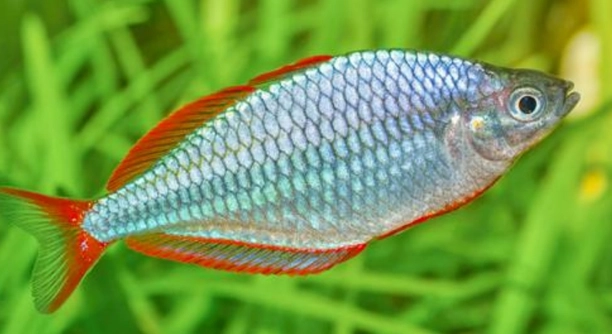
Rainbow fish are beautiful creatures, and many owners love to watch them glide through their tanks. But sometimes, these fish seem uninterested in floating food, which can leave us wondering why they’re not eating.
Rainbow fish may ignore floating food for various reasons, such as their natural feeding habits, environmental factors, or food presentation. They often prefer food closer to the water’s surface or sinking food, which mimics their natural diet in the wild.
Understanding why your rainbow fish may be avoiding their food can help improve their feeding habits. This knowledge will allow you to make adjustments to ensure they are getting the nutrients they need.
Rainbow Fish Feeding Preferences
Rainbow fish are not always the easiest when it comes to feeding, especially with floating food. These fish are natural foragers, and in their natural habitat, they tend to feed from the midwater or the bottom, where food sinks. This means they might not even notice food floating at the top. Moreover, their feeding instincts are more attuned to movement or sinking food. If the food simply stays at the surface, they may not recognize it as a food source, leading to the avoidance of floating options.
They also tend to be wary of still food, as it may not mimic what they would naturally eat in the wild. You may notice that your fish will go after sinking pellets or small live food that moves or drifts down through the water column. Keeping this in mind can make feeding a lot easier and less frustrating.
By adjusting the way you offer food, like sinking pellets or food that floats for a brief time before sinking, you can better meet their feeding instincts. Additionally, offering a variety of foods and observing your rainbow fish’s preferences can make a big difference in ensuring they eat properly. A little adjustment to feeding habits might just do the trick.
Water Conditions and Feeding Behavior
Water quality can play a role in how rainbow fish approach their food. Poor water conditions can make them feel stressed, causing them to lose interest in eating.
If your tank has high ammonia levels, fluctuating temperatures, or improper pH, your rainbow fish might not be in the mood to feed. Stress makes these fish less active, which means they’re less likely to engage with food, especially floating food that doesn’t immediately catch their attention. To solve this, regularly check the water quality and make sure it meets the ideal conditions for rainbow fish. They thrive best in stable, clean water with temperatures between 74-80°F (23-27°C) and a slightly alkaline pH around 7.0-8.0.
Maintaining a proper water environment helps keep rainbow fish healthy and more likely to eat. When they’re feeling comfortable in their surroundings, they will become more active during feeding time and may show more interest in floating food. In addition to water quality, the placement of food also matters. You can experiment with different feeding techniques and observe what works best for your rainbow fish, ensuring they get the nutrients they need while enjoying their meals.
Food Type Matters
Rainbow fish are often picky eaters, and the type of food you offer can influence their feeding behavior. They may not go after food that’s too large or has an unfamiliar texture.
If the food is too large or in an awkward shape, it may not appeal to them. Rainbow fish tend to prefer smaller pellets or finely chopped flakes that are easier to consume. Also, live or frozen foods, such as brine shrimp or daphnia, can be more enticing to them. These mimic the types of prey they’d encounter in the wild. Trying different food types can help find what works best for your fish.
The key is variety. While some rainbow fish might ignore floating food, they may respond more positively to sinking options or live food that imitates their natural diet. Offering smaller portions more frequently throughout the day also aligns with their natural feeding patterns. Watch closely to see what they prefer, as this will make a difference in ensuring they stay healthy and active.
Feeding Time and Fish Behavior
Feeding time can affect how your rainbow fish interact with food. Fish are more likely to eat when they feel secure and are in a calm environment.
If they’re being disturbed by other fish or too many people around, they might avoid food, including floating options. It’s best to feed them in a quiet, stress-free environment. If possible, try feeding them when other tank mates aren’t actively competing for food. This gives the rainbow fish a chance to focus on their meal without distractions. They’ll feel more comfortable eating and will be more likely to go after the food.
Additionally, rainbow fish may become more active and willing to eat during feeding time if you establish a routine. Consistency in feeding schedules helps them anticipate mealtime, reducing stress and encouraging natural feeding behaviors.
Tank Size and Space
The size of the tank can affect how rainbow fish behave during feeding time. A crowded tank may lead to stress, causing the fish to ignore food.
Rainbow fish tend to feel more comfortable in spacious tanks where they can freely swim and explore. If the tank feels too cramped, they may become anxious and avoid eating. Providing ample space not only improves their health but also encourages natural feeding behaviors. Ensure that your tank size fits the number of fish and their swimming needs.
Tank Mates
Rainbow fish can be picky when it comes to tank mates, and having the wrong companions can make them hesitant to eat. Some aggressive or overly competitive fish can intimidate them during feeding.
It’s important to keep rainbow fish with peaceful and compatible tank mates. They will feel less threatened by other fish, allowing them to focus on eating. Avoid housing them with overly territorial or fast-moving species that might dominate feeding time. A peaceful environment makes feeding more enjoyable for your rainbow fish, reducing stress and encouraging them to eat the food provided.
FAQ
Why is my rainbow fish not eating floating food?
Rainbow fish may ignore floating food because it doesn’t resemble their natural feeding habits. In the wild, they often forage for food that sinks or moves through the water column, like small insects or plankton. Floating food might not capture their attention, especially if it remains still at the surface. They also tend to prefer food that mimics their natural diet in texture and size. Offering sinking pellets or finely chopped food that moves can help engage their natural instincts.
Can rainbow fish be fed only floating food?
While rainbow fish can eat floating food, it’s not the best option for them. They may ignore it or struggle to recognize it as food. They are more likely to eat food that sinks or floats for a brief period before sinking. Providing a variety of food types, including sinking pellets, live food, or frozen options like brine shrimp or daphnia, ensures they get a balanced diet and remain healthy. Feeding a mix of floating and sinking options also makes it easier for rainbow fish to eat based on their preference.
How do I get my rainbow fish to eat more often?
Feeding rainbow fish multiple times a day in small amounts can encourage them to eat more regularly. This simulates their natural foraging behavior, where they would eat small meals throughout the day. Offering a variety of foods, such as sinking pellets, live or frozen food, and even finely chopped vegetables, can help keep them interested in their meals. It’s also important to observe their behavior and adjust feeding times to when they are most active, ensuring they are comfortable and not stressed.
Can water quality affect my rainbow fish’s feeding habits?
Yes, water quality has a direct impact on feeding habits. Poor water conditions, such as high ammonia levels, low oxygen, or incorrect pH, can stress rainbow fish, making them less likely to eat. Stress causes them to become lethargic or anxious, so it’s important to maintain clean water with proper filtration. Regular water changes, testing the water’s temperature and pH, and ensuring that ammonia levels are within safe ranges will help keep your rainbow fish healthy and encourage them to feed more regularly.
What is the best food for rainbow fish?
The best food for rainbow fish includes a variety of options, such as high-quality sinking pellets, frozen or live foods like brine shrimp, daphnia, and small worms. They also enjoy finely chopped vegetables like spinach or zucchini. Rainbow fish are omnivores, so offering both protein and plant-based foods helps provide a balanced diet. Sinking food options are particularly useful because they mimic the types of food rainbow fish naturally forage for. Offering food that moves or sinks will be more appealing to them than stationary floating food.
How do I know if my rainbow fish are stressed?
Stressed rainbow fish may show signs like reduced activity, hiding in corners of the tank, or rapid swimming in erratic patterns. They may also lose their usual vibrant colors and appear pale or washed out. If your fish are avoiding food, especially floating food, it could be a sign of stress. To reduce stress, ensure your tank has appropriate water conditions, ample space, and peaceful tank mates. Stress can also result from sudden changes in their environment, so it’s important to maintain a stable and calm tank setting.
Should I stop offering floating food to rainbow fish entirely?
Not necessarily. You don’t have to stop offering floating food entirely, but it should be part of a varied feeding routine. Floating food can still be a part of their diet, especially if they show interest in it. However, it’s essential to mix in sinking food or live food that matches their natural eating habits. The goal is to provide food that appeals to them and mimics their natural feeding behavior. By adjusting the type of food and how you feed them, you can ensure they receive all the nutrients they need.
Is it normal for rainbow fish to be picky eaters?
Yes, rainbow fish can be picky eaters at times. Their preferences often depend on their environment, food type, and feeding habits. It’s not unusual for them to ignore food, especially if it doesn’t match their natural feeding style. Being aware of their preferences and providing a variety of food options, including sinking pellets, live food, and frozen food, can help encourage better eating habits. Patience and observation are key to understanding your rainbow fish’s specific feeding behavior.
Can I feed rainbow fish live food every day?
While live food like brine shrimp or daphnia is nutritious and stimulating for rainbow fish, it shouldn’t be their only food source. Live food should be offered as an occasional treat or supplement to their regular diet, not as their primary food. Too much live food can lead to an imbalance in their diet, and they may miss out on important nutrients provided by pellets or plant-based foods. A balanced diet that includes both live and prepared foods is the best way to keep rainbow fish healthy.
How often should I feed my rainbow fish?
Rainbow fish should be fed two to three times a day in small portions. This helps simulate their natural feeding habits, where they forage for food throughout the day. Overfeeding can lead to water quality issues and health problems for the fish, so it’s important to provide only what they can consume in a few minutes. It’s best to offer small amounts at each feeding and adjust according to how much they eat. Regular feeding times also help create a routine, which encourages healthy eating behaviors.
Final Thoughts
Rainbow fish are beautiful and active creatures that require a bit of attention when it comes to feeding. Understanding their natural feeding behavior is key to ensuring they get the right nutrition. These fish are not always interested in floating food because, in the wild, they typically forage for food that sinks or moves through the water. This instinctual behavior can make feeding a bit tricky, but by offering the right types of food, you can help them eat more regularly.
Offering a variety of food types, including sinking pellets, live food like brine shrimp, and finely chopped vegetables, can help encourage your rainbow fish to eat. It’s also important to feed them multiple times a day in small amounts, as they naturally forage throughout the day. Keeping their tank conditions stable is just as important. Poor water quality can lead to stress, which may cause them to avoid eating altogether. Regular water testing and maintenance will ensure that your rainbow fish feel comfortable and are more likely to eat.
Ultimately, patience and observation are important when feeding rainbow fish. Every fish is different, and some may prefer certain types of food over others. By watching their behavior and adjusting the feeding routine accordingly, you can create a feeding schedule that works best for your fish. With the right care, your rainbow fish will thrive and stay healthy, enjoying the food you offer them while staying active and happy in their environment.

Hello,
If you enjoy the content that we create, please consider saying a "Thank You!" by leaving a tip.
Every little bit helps us continue crafting quality advice that supports the health, happiness, and well-being of pets around the world, for pets of all shapes, sizes, and species.
We really appreciate the kindness and support that you show us!