
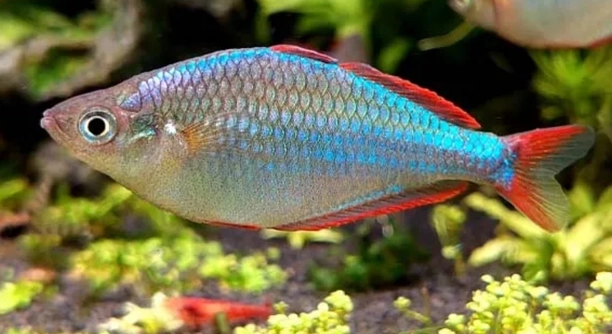
Are your rainbow fish acting differently or looking less vibrant than usual? These subtle changes could mean something more serious is happening beneath the surface of their tank.
The earliest signs that rainbow fish are getting sick include color fading, lethargy, loss of appetite, clamped fins, erratic swimming, visible wounds, and rapid gill movement. Recognizing these symptoms quickly can help prevent further health deterioration and improve recovery outcomes.
Knowing these warning signs can make a big difference in your fish’s well-being and keep their environment healthy and thriving.
Loss of Color and Dull Appearance
Rainbow fish are known for their vibrant colors, so when they start to lose that brightness, it can be a sign of trouble. A dull or faded appearance is often one of the first visual signs that something isn’t right. This change can be caused by poor water quality, stress from overcrowding, lack of proper nutrition, or an illness beginning to develop. Fish rely on a stable environment to thrive, and even small fluctuations in temperature or pH can have an impact. It’s important to test the water regularly and make changes as needed. If your fish look pale, check for other symptoms like lethargy or unusual swimming. These signs together can give you a clearer picture of your fish’s health. Making simple adjustments, like improving water conditions and feeding high-quality food, can help restore their natural color and energy.
A fading color pattern isn’t just cosmetic—it’s often a sign that something is off in the tank.
Acting early gives your rainbow fish a better chance at returning to their healthy, bright selves. Color can return once stress is reduced and health is restored, especially when supported by regular tank maintenance and attention to diet and water stability.
Unusual Swimming or Behavior
Erratic swimming, such as darting, floating sideways, or struggling to stay upright, is another sign something might be wrong.
When rainbow fish begin to act out of character, it’s usually noticeable. They may hide more often, lose interest in food, or stop schooling with others. These shifts often indicate they’re uncomfortable or not feeling well. Poor water quality is a major factor, as ammonia and nitrite spikes can lead to disorientation. Low oxygen levels might also cause them to swim near the surface or gasp for air. Look for other behavior changes too—such as aggression or twitching—which could suggest parasitic infections or stress. If you recently added new fish or changed something in the tank, this could have introduced illness or upset their routine. Start by testing the water, increasing aeration if needed, and giving your fish a calm environment to recover. Early care makes a difference.
Loss of Appetite
Rainbow fish that stop eating are often trying to tell you something isn’t right. A decrease in appetite can be linked to stress, poor water quality, or the early stages of illness. It’s important to notice how long the change lasts.
Sometimes, fish may skip a meal due to minor stress like a water change or tank rearrangement. But if they refuse food for more than a day or two, something more serious could be happening. Parasites and bacterial infections are common causes, and both can spread quickly if not treated. Check if your fish are spitting out food, ignoring it entirely, or showing signs of bloating. These clues help narrow down the issue. Cleaning the tank, adjusting the water temperature, and offering high-quality, varied food can help bring back their appetite. Quarantining the affected fish might be necessary if the issue continues or worsens.
When appetite loss is paired with other signs like clamped fins or odd swimming, it’s usually time to take action. A good first step is to test the water and do a partial change. If that doesn’t help, consider using medication suited for bacterial or parasitic infections. Providing a quiet space and reducing light can also reduce stress while they recover.
Clamped Fins
Clamped fins are when your fish hold their fins tightly against their body instead of fanning them out normally. This is often a stress response and one of the early physical signs of discomfort or illness in rainbow fish.
This behavior might be easy to miss at first, but it usually means your fish is feeling unwell. Stress, parasites, or changes in water temperature and pH can all cause clamped fins. Poor diet may also play a role, especially if it leads to a weakened immune system. Check if the fins appear stiff, torn, or less colorful. If the issue is caught early, adjusting tank conditions and improving food quality can often reverse it. However, if it persists, isolate the fish and look for additional symptoms. In some cases, clamped fins are linked to external parasites like flukes or protozoa, and treating the water may be necessary to prevent spreading.
Rapid Gill Movement
If your rainbow fish are breathing fast or their gills are moving more than usual, it may mean something is wrong. This can be caused by low oxygen, poor water conditions, or hidden illness in the tank.
Check if the fish are staying near the surface or gasping for air. High ammonia or nitrite levels are often to blame. Test the water and do a partial change if needed. Add an air stone or increase filtration to help oxygen levels quickly.
Visible Wounds or Sores
Open wounds, red patches, or ulcers on the body usually mean infection or injury. Sometimes fish hurt themselves on decorations or during aggressive interactions. These wounds can get worse if left untreated. Clean water, isolation, and antibacterial treatment can support healing and prevent secondary infections.
Lethargy
Lethargic rainbow fish move less, hover near the bottom, or stop interacting with others. This lack of energy may be caused by stress, illness, or poor water quality. Keeping the tank stable and clean helps them recover.
FAQ
What is the best way to prevent my rainbow fish from getting sick?
To prevent illness in your rainbow fish, maintain clean water conditions by doing regular water changes and testing for ammonia, nitrites, and pH levels. Keep their tank free of debris, and make sure it’s not overcrowded. Ensure they’re being fed a varied, balanced diet with quality fish food. A well-maintained tank environment helps to reduce stress, which is often a precursor to sickness. Additionally, quarantining new fish before introducing them into the main tank can help avoid the spread of potential diseases.
How often should I test the water in my tank?
You should test your aquarium water at least once a week to ensure it’s within safe parameters. Ammonia, nitrite, nitrate, and pH levels should be regularly monitored, as these affect the health of your rainbow fish. Testing once a week ensures you catch any changes in water quality before they negatively impact your fish. If you notice any unusual behavior or signs of illness in your fish, test the water immediately to identify any possible issues.
Can stress cause rainbow fish to become sick?
Yes, stress can weaken your rainbow fish’s immune system, making them more susceptible to illness. Stress may result from factors like poor water quality, overcrowding, sudden temperature changes, or aggression from tank mates. To reduce stress, ensure your tank is properly sized, maintain stable water conditions, and avoid introducing aggressive species. Rainbow fish are peaceful and thrive in schools, so providing a calm, stable environment can help minimize stress.
Why is my rainbow fish’s color fading?
Fading color is often a sign of stress or illness in rainbow fish. It may be caused by poor water quality, lack of nutrients, or a parasitic or bacterial infection. If the color loss is paired with other symptoms like lethargy or erratic swimming, it could indicate a health issue. Testing the water and improving the fish’s diet can help restore their vibrant colors. Ensure they have enough space to swim freely and reduce stress factors that could lead to color fading.
How can I tell if my rainbow fish has a parasite?
Parasites can cause visible changes in your rainbow fish, such as white spots, unusual swimming behavior, or skin lesions. If your fish is constantly scratching against objects in the tank, it could be infected with external parasites like ich or flukes. Parasites can also cause abnormal gill movement and difficulty breathing. If you suspect a parasitic infection, it’s important to quarantine the affected fish and treat the tank with an appropriate medication, as parasites can spread quickly to other fish.
What temperature should I keep my tank for rainbow fish?
Rainbow fish prefer a water temperature between 72°F and 78°F (22°C to 26°C). Keeping the water within this range helps support their metabolism and overall health. Sudden temperature fluctuations can cause stress and make the fish more susceptible to illness. Using a reliable aquarium heater and thermometer will ensure the temperature stays stable, especially during cooler months.
How do I treat my rainbow fish if they stop eating?
If your rainbow fish stop eating, the first step is to check the water conditions. Poor water quality is often the cause, so test the water for ammonia, nitrites, and pH. If the water is clean, consider the diet—are you offering a variety of foods, including both flakes and frozen or live food? If the problem persists, check for signs of illness such as lethargy, clamped fins, or visible sores. If you suspect an infection, isolate the sick fish and treat with the appropriate medication.
Can I treat rainbow fish with salt?
Yes, aquarium salt can be used to treat certain external diseases, such as parasites or wounds, in rainbow fish. It helps by reducing stress on the fish, promoting healing, and aiding in the elimination of parasites. However, salt should be used with caution, as it can affect water chemistry and is not suitable for all fish or plants. Always follow the recommended dosage and dissolve the salt fully in water before adding it to the tank.
What should I do if I notice my rainbow fish has clamped fins?
Clamped fins are usually a sign of stress or illness. The first thing to do is check the water quality to make sure it’s within safe parameters. Poor water quality can cause this behavior, so performing a water change is often a good first step. If the water is fine, check for other symptoms like lethargy, color loss, or visible sores, as these may indicate a bacterial or parasitic infection. If clamped fins persist, consider isolating the affected fish in a quarantine tank and treating it with medication.
Why are my rainbow fish swimming near the surface?
Rainbow fish swimming near the surface may be seeking more oxygen, which could indicate low oxygen levels in the tank. This is often caused by insufficient filtration, poor water circulation, or high temperatures. To help your fish, check the water’s oxygen levels and ensure there is adequate surface agitation. You may need to add an air stone or adjust your filtration system to improve water movement and oxygenation. If the behavior continues, check for other symptoms like rapid gill movement or labored breathing, which may indicate an underlying health issue.
Is it necessary to quarantine new fish before adding them to my tank?
Yes, it’s highly recommended to quarantine new fish before introducing them to your main tank. This helps prevent the spread of diseases and parasites to your existing fish. Place the new fish in a separate quarantine tank for 2 to 4 weeks, monitoring them for any signs of illness. If they appear healthy, you can then safely introduce them to the main tank. Quarantining new fish also gives you time to observe their behavior and ensure they are a good fit for your community tank.
Final Thoughts
Taking care of rainbow fish involves more than just feeding and maintaining the tank. It requires regular monitoring of water conditions, a proper diet, and keeping an eye on your fish for any signs of illness. By staying attentive to these factors, you can create a healthy environment for your fish to thrive. Fish health is often a reflection of the care and attention their tank receives. Ensuring that all aspects of their habitat are stable and supportive is key to preventing many common issues.
Rainbow fish are relatively hardy, but they still require specific conditions to stay healthy. Water quality is the most important factor to monitor, as changes in pH, ammonia, or temperature can lead to stress and illness. Regular testing and water changes are essential in maintaining a balanced environment. Along with this, having compatible tank mates and providing appropriate food will help keep your fish happy. A well-rounded approach to care ensures that your rainbow fish remain active and vibrant.
Finally, understanding the signs of illness early can make a big difference in the health of your rainbow fish. If you notice any changes in their behavior, appearance, or eating habits, it’s important to take action right away. Early detection and intervention can prevent problems from worsening. With proper care, you can enjoy healthy, beautiful rainbow fish for years.

Hello,
If you enjoy the content that we create, please consider saying a "Thank You!" by leaving a tip.
Every little bit helps us continue crafting quality advice that supports the health, happiness, and well-being of pets around the world, for pets of all shapes, sizes, and species.
We really appreciate the kindness and support that you show us!