
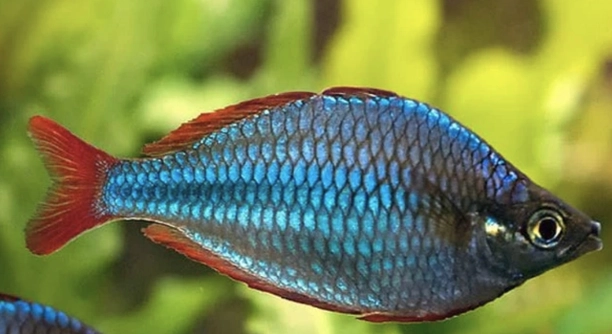
Rainbow fish are known for their vibrant colors and unique behaviors. Some of these actions might even look like they’re dancing. Watching them move through the water can be a fascinating experience.
Rainbow fish exhibit behaviors that resemble dancing due to their rhythmic swimming patterns, social interactions, and the way they respond to environmental stimuli. Their coordinated movements can create the illusion of a graceful, synchronized dance.
These behaviors reflect their communication style and natural instincts. Understanding them can provide insight into their world and social dynamics. Keep reading to discover the seven most captivating movements that look like dancing.
Swimming in Sync: Synchronized Movement
Rainbow fish are known for their beautiful, synchronized swimming patterns. When in groups, they often glide through the water together in perfect harmony. These movements are not random but serve important purposes, like staying safe from predators and attracting mates. The fish follow each other closely, making their movements look like a choreographed dance.
Their swimming technique is a mix of precise timing and instinct. It’s often seen in shoals, where every fish moves in unison, creating the illusion of a dance routine. This coordination ensures that the group remains tight and can quickly change direction if needed, making it difficult for predators to target a single fish.
This behavior isn’t limited to large groups either. Even in smaller clusters, rainbow fish often align their movements, adjusting their pace and direction simultaneously. This synchronization may be an evolutionary trait that enhances their survival. It also adds to their charm, as the fluidity of their movements gives the impression of an underwater performance.
The Way They Chase Each Other
When rainbow fish chase one another, their movements are swift and fluid, almost resembling a dance.
Chasing behaviors typically happen during mating seasons or when establishing dominance. The fish chase each other in intricate patterns, sometimes darting and weaving through the water. These rapid bursts of movement can look like a playful dance between the fish, a way to impress each other or show off their strength. The chase often ends with a sudden stop or change in direction, adding an unpredictable element to their routine. This playful yet purposeful behavior helps define their social interactions and is a key part of their natural instincts.
Displaying Fins and Flipping
Rainbow fish also display an interesting behavior when showing off their fins. When a fish wants to impress another, it will open its fins wide, creating a striking display of colors. This is often seen during courtship or in territorial disputes. The colorful fins, combined with quick, flipping movements, can mimic the flow of a dance. The fish may spin or rotate in place, showing off their bright hues to attract attention.
This behavior is part of their natural instinct to compete for mates and establish social dominance. The flipping motion adds to the dramatic flair of their movement, highlighting the contrast between the bright fins and the surrounding water. The display of fins in this way is also a sign of good health, as the fish show off their vibrant colors to signify strength and vitality. It’s fascinating to watch, as the flipping can appear almost choreographed in its precision.
Zigzagging Through the Water
Rainbow fish are known for their quick, zigzagging motions when they swim. This fast, back-and-forth movement is often seen when they are startled or excited. It’s like a burst of energy, making them dart rapidly in different directions. This movement can seem like a playful dance, with the fish darting around each other.
These zigzag patterns are also part of how rainbow fish interact with each other. In social settings, they use this movement to establish hierarchy or simply to show their energy levels. It’s common to see fish engage in this behavior during competition or when they feel particularly playful. These swift motions help them avoid predators by making it harder to predict their next move.
The zigzagging motion can appear quite graceful, adding an element of unpredictability to their movements. It might look like they’re participating in a lively, energetic dance. The fluidity of these motions contributes to the overall charm and mystique of the rainbow fish.
Displaying Colorful Ripples
Rainbow fish are not just known for their movements but also for how they use their colors. When they swim, their scales ripple with vibrant colors, creating a mesmerizing effect. This display can resemble a slow, flowing dance, with the shimmering colors adding to the beauty of their movement.
The color changes can happen when the fish are swimming through light or in response to other fish around them. This visual display serves multiple purposes, from attracting mates to warning off rivals. The way the colors ripple across their bodies in sync with their movements adds an almost hypnotic quality to their swimming.
As rainbow fish glide through the water, the way their colors reflect light makes them appear like they are dancing, especially when they move in synchronized patterns. Their brilliant colors are a key part of their appeal, with each movement enhancing their overall beauty. These visual displays contribute to the overall charm of the rainbow fish, making them a joy to watch as they perform their unique underwater “dance.”
Flipping and Twisting Movements
Rainbow fish often flip and twist through the water in unexpected ways. This rapid twisting can resemble a dance, with each movement appearing fluid and intentional. It’s a behavior typically seen when they’re excited or navigating through obstacles.
These flips can happen during hunting or when they need to avoid threats. The twisting movement helps them make sharp turns quickly, which can be both practical and visually captivating. The fish use this technique to dart away from potential danger or to interact with other fish in their environment.
The graceful yet sharp motions can resemble a dance-like performance as they twist and flip with ease. These sudden changes in direction contribute to the fish’s agility, making them seem like they are part of a lively routine.
Courtship Rituals
When engaging in courtship, rainbow fish perform specific behaviors that can look like dancing. Male rainbow fish will often swim in circles around females, moving in a synchronized pattern to show off their bright colors.
The male will display his fins, often flaring them out to make himself appear larger and more attractive. This courtship dance is not only about showing off physical traits but also about demonstrating agility and strength. The male’s movements, fluid and precise, are meant to catch the female’s attention and convey his fitness as a mate. This display often results in the female choosing a mate based on these colorful performances.
The whole process can look like a careful, timed dance, with both the male and female engaging in movements that mirror one another. These behaviors are part of their natural mating ritual, which is crucial for their reproduction.
Territorial Displays
Rainbow fish are territorial and often use their movements to establish boundaries. They will swim around their space in a controlled manner, often performing quick, sharp movements that can look like a dance of defense.
When another fish enters their territory, the rainbow fish might display their fins and swim in tight, controlled patterns to signal dominance. This dance-like behavior is part of their instinct to protect their space from other fish. They often swim with sudden bursts, weaving through the water in a way that makes it clear they are in charge. This show of power is a key way for rainbow fish to assert their control over a given area.
FAQ
Do rainbow fish really “dance”?
While rainbow fish don’t literally dance, their movements often mimic a dance-like quality. Their synchronized swimming patterns, flips, and twists can look like choreographed routines, especially in groups. These behaviors are driven by natural instincts such as attracting mates, avoiding predators, and maintaining social structure. What we perceive as dancing is a combination of survival tactics and natural communication within their species.
Why do rainbow fish swim in synchronized patterns?
Synchronized swimming in rainbow fish helps them stay safe from predators. When they move together in perfect harmony, it makes it harder for predators to single out one fish. This behavior is instinctive and often seen in shoals or schools. By swimming together, they create a large, unified mass, which acts as a defense mechanism against potential threats.
What causes rainbow fish to change colors?
Rainbow fish can change colors due to several factors. Light reflection, mood, and environmental changes often trigger shifts in their color intensity. This can also happen during mating rituals or when they’re stressed. The vibrant colors help rainbow fish communicate with one another, especially during courtship or in territorial disputes. These color changes serve as signals to others in their environment.
How do rainbow fish communicate with each other?
Rainbow fish communicate primarily through visual signals. Their color changes, fin displays, and specific swimming patterns convey different messages. For example, they may show off their fins to signal dominance or engage in a courtship display to attract mates. These behaviors are often fluid and dance-like, making their communication seem more artistic. Additionally, their movements help them interact with one another, whether to establish territory or to form bonds within their group.
Why do rainbow fish swim in circles during courtship?
During courtship, male rainbow fish often swim in circles around females to attract their attention. This behavior, combined with the display of their colorful fins, is meant to showcase their strength and vitality. The circular motion helps create a more eye-catching presentation, giving the male an opportunity to demonstrate his fitness as a potential mate. The more fluid and graceful his movements, the more likely the female will be impressed.
Do rainbow fish ever fight?
Yes, rainbow fish can fight, especially during territorial disputes or mating season. Males may engage in aggressive behaviors to defend their space or to prove their dominance over other males. These confrontations usually involve displays of fins, rapid swimming, and sometimes physical contact. While they don’t typically engage in full-on battles, these encounters can look dramatic and are part of their natural instinct to establish boundaries and attract mates.
Are rainbow fish social?
Rainbow fish are generally social creatures, particularly when kept in groups. They thrive in shoals, where they can communicate and interact with one another. Socializing helps them feel secure and reduces stress. In the wild, their social structure also provides protection from predators. However, they can be territorial when it comes to mating, and some species may be more solitary than others during certain times of the year.
Can rainbow fish show affection?
While rainbow fish don’t display affection the way mammals do, they do form bonds and show interest in one another. During courtship, they engage in behaviors like swimming around one another and displaying colorful fins. These movements are their way of demonstrating attraction or interest, signaling a desire to mate. Social interactions between group members can also indicate a level of comfort and mutual respect, though it’s not affection in the traditional sense.
How do rainbow fish react to changes in their environment?
Rainbow fish can be sensitive to changes in their environment, particularly regarding water quality and temperature. Rapid changes can cause stress, leading to erratic movements or hiding. They may also change their swimming patterns, becoming less synchronized or more agitated. Their color intensity can also fade when they’re stressed. It’s important to maintain a stable environment to keep them comfortable and healthy.
What should I feed rainbow fish to maintain their health?
Rainbow fish thrive on a varied diet. They are omnivores, meaning they enjoy a combination of plant-based and protein-rich foods. Offer them high-quality flake foods, frozen or live foods like brine shrimp and bloodworms, and some vegetable matter such as spirulina. A balanced diet will help maintain their vibrant colors and promote healthy growth. Be sure not to overfeed, as excess food can lead to water quality issues.
Do rainbow fish need special tank conditions?
Rainbow fish prefer a tank with clean, well-maintained water and a stable temperature, usually between 72°F and 79°F. They thrive in slightly acidic to neutral water with a pH of 6.5 to 7.5. They also require adequate space to swim and prefer tanks with plenty of plants and hiding spots. Regular water changes and proper filtration are crucial for their health. A well-maintained environment will help them stay active and colorful.
Final Thoughts
Rainbow fish are fascinating creatures, especially when observed in their natural environment or in a well-maintained tank. Their vibrant colors and graceful movements make them a delight to watch. While their actions may appear like dancing, these behaviors are more about survival, communication, and reproduction. Their synchronized swimming, fin displays, and playful twists all serve specific purposes, from avoiding predators to attracting mates. Understanding these behaviors helps us appreciate the complexity of their natural instincts and social interactions.
One of the most captivating aspects of rainbow fish is their ability to change colors. This color shift is not just for show; it plays an important role in their social interactions and mating rituals. By displaying their bright colors and performing intricate movements, they communicate with other fish and signal their intentions. These behaviors contribute to their appeal, making them seem almost like performers in an underwater ballet. However, these movements are not purely for entertainment; they serve critical functions in the fish’s daily life.
Rainbow fish thrive in social groups, where their coordinated movements help them stay safe and maintain their place in the ecosystem. While they may show territorial behaviors during mating season or when defending their space, their general nature is to be social and interactive with others. Watching their natural dance-like movements can remind us of the importance of social connections, not only in the animal kingdom but also in our own lives. By providing them with the right environment, we can ensure that rainbow fish continue to thrive and display their beauty for many years to come.

Hello,
If you enjoy the content that we create, please consider saying a "Thank You!" by leaving a tip.
Every little bit helps us continue crafting quality advice that supports the health, happiness, and well-being of pets around the world, for pets of all shapes, sizes, and species.
We really appreciate the kindness and support that you show us!