
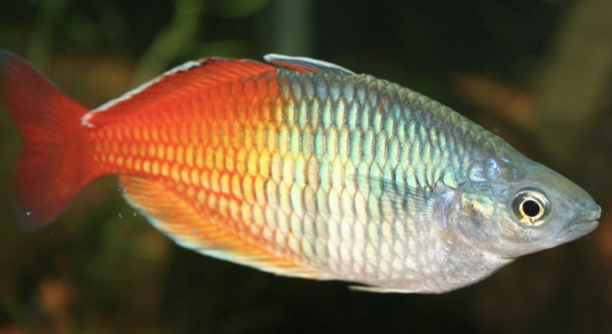
Rainbow fish are known for their vibrant colors and lively swimming, but have you ever wondered if they can sense when it’s feeding time? These little creatures are fascinating in many ways, including their behaviors.
Rainbow fish are capable of associating certain events with feeding time. They can learn and recognize patterns, such as the appearance of food or the actions of their owner, signaling that it’s time to eat.
Understanding how rainbow fish react to feeding cues will give you insight into their behavior. Their responses are influenced by both their environment and training.
How Rainbow Fish Learn Feeding Time
Rainbow fish are quick learners. They can form associations between their environment and feeding time. For example, they may begin to recognize the sound of food being poured into the tank or the sight of their owner approaching. These associations are built over time, making feeding routines predictable for the fish. Even though they rely on instinct to find food in the wild, in a tank, they adapt and respond to cues from their human caretakers. As they get used to these signals, they may swim eagerly to the top of the water or display excitement when they see you. This behavior shows their ability to link specific actions with the arrival of food.
They might even start waiting by the glass or swimming toward the tank’s surface at the usual feeding time. This behavior is a sign that the fish have learned to expect food at that moment.
Knowing this, it’s important to establish a feeding routine. This way, your rainbow fish will be able to recognize when it’s time for their meals and get used to your schedule. Keeping things consistent can reduce stress and make feeding more efficient for both you and your fish.
Feeding Cues and Behavior
Rainbow fish can be responsive to certain cues. They tend to learn the patterns associated with feeding, like the sound of food being dropped into the water. Over time, they start to expect food when they hear these signals, which makes feeding easier and less stressful.
Fish may swim toward the surface, or even near the edge of the tank, when they sense food is coming. These actions are part of their learned behavior. The more consistently these cues are provided, the more reliable the fish’s response will be. It’s also possible for rainbow fish to respond to visual signals, like seeing you approach the tank with their food. These learned patterns are a way for the fish to anticipate their meals, which is helpful for maintaining their feeding schedule.
To make feeding easier, try to maintain a set time each day. This will allow your fish to become accustomed to the routine and make it more predictable. Predictability is key for both you and your fish. Over time, they will begin to associate you with their feeding time, helping to avoid confusion or stress.
The Importance of Routine
Having a consistent feeding schedule is crucial for rainbow fish. A set time helps them know when to expect food, which reduces anxiety. Regular feeding times also help in maintaining a balanced diet.
When you feed your rainbow fish at the same time each day, they start to rely on this rhythm. It’s similar to how humans develop routines. The consistency allows the fish to feel comfortable and know when to look for food. Without a clear schedule, your fish might become stressed or overeat. Keeping feeding time predictable helps them stay healthy and happy.
If you vary feeding times too much, it can cause stress. Fish rely on routines, and disrupting this can affect their behavior. By sticking to a routine, you help ensure that your rainbow fish are receiving the right amount of food and are not overfed or underfed. It also makes feeding time more manageable for you.
Feeding Times and Tank Environment
The tank environment plays a role in how rainbow fish respond to feeding times. Water clarity, lighting, and overall tank conditions can impact their behavior. Fish in a well-maintained tank are more likely to have predictable responses to feeding cues.
Fish are more active in clean, healthy tanks. When the water is clear and free of stressors, rainbow fish are more likely to swim toward the surface when they sense food. Lighting also plays a role in their behavior. If the tank light is dim or inconsistent, it might confuse the fish. A stable environment leads to a more predictable feeding response.
The Role of Tankmates
The presence of other fish can also affect how rainbow fish react at feeding time. Tankmates may compete for food, which can make the rainbow fish less focused on feeding cues.
When there are multiple fish in a tank, rainbow fish might not respond as quickly or eagerly to feeding cues. Competition for food can create a more chaotic feeding environment, which may cause your rainbow fish to wait longer or even ignore food. It’s important to monitor the interactions between fish to ensure all are fed properly.
Overfeeding Risks
Overfeeding can be a concern for rainbow fish. Too much food can cause health issues and create poor water quality.
Rainbow fish may continue to eat even after they’re full. This can lead to obesity and water pollution, which can harm the tank’s environment. It’s essential to control portions and feed only the necessary amount for the fish to avoid these issues. Regularly removing uneaten food is also important for maintaining tank health.
FAQ
Can rainbow fish recognize their owner?
Yes, rainbow fish can recognize their owners. They may not have the same bond as pets like dogs or cats, but they can learn to associate their owner with feeding time. Over time, they may even swim toward the tank’s surface or glass when they see you approaching, expecting food. This behavior shows that they’ve made the connection between you and the arrival of food.
How do rainbow fish know when it’s feeding time?
Rainbow fish learn to associate specific cues with feeding time. These cues can be visual, like seeing their owner approach the tank, or auditory, like hearing the sound of food being dropped into the water. Through repetition, the fish come to expect food at certain times and begin to display eager behavior, such as swimming toward the surface when feeding time is near.
How often should I feed my rainbow fish?
Rainbow fish should be fed once or twice a day. It’s best to provide only as much food as they can eat in a few minutes to avoid overfeeding. You don’t want leftover food to pollute the water. By feeding them at consistent times each day, you’ll help them develop a healthy routine and ensure they get the proper nutrition without overloading the tank.
What should I feed my rainbow fish?
Rainbow fish are omnivores, meaning they can eat a variety of foods. You can feed them high-quality flake or pellet food, but it’s also a good idea to supplement their diet with live or frozen foods like brine shrimp, daphnia, or bloodworms. Additionally, offer vegetables like blanched spinach or peas occasionally to provide extra nutrients. Make sure the food is appropriately sized for their mouths.
Why are my rainbow fish not eating at feeding time?
There could be a few reasons why your rainbow fish are not eating. One possibility is that the water quality isn’t up to standard. Poor water conditions can cause stress, leading the fish to lose their appetite. Another reason could be that they’re simply not hungry, especially if they’re overfed. Check the tank’s temperature, pH, and nitrate levels to ensure a healthy environment. Also, consider if any new tankmates are causing stress during feeding time.
Can rainbow fish eat too much?
Yes, rainbow fish can overeat. Overfeeding them can lead to obesity, which may harm their health. Leftover food in the tank can also decompose, affecting water quality. To prevent this, feed your fish only the amount they can eat in a few minutes, and remove any uneaten food promptly. This will ensure they stay healthy and the tank remains clean.
What is the best time of day to feed rainbow fish?
The best time to feed your rainbow fish is typically in the morning and evening. You should aim to feed them at the same times each day to establish a routine. Fish can learn to recognize feeding times, so consistency is key. By feeding them at regular intervals, they’ll become accustomed to their schedule, and it’ll be easier for you to monitor their feeding habits.
How long can rainbow fish go without food?
Rainbow fish can survive without food for several days, but it’s not ideal for their health. If you’re going away, it’s better to find a reliable way to feed them, such as a fish feeder or a friend who can care for them. Going without food for extended periods can lead to stress and weakened immune systems. It’s always best to ensure your fish have regular meals to stay healthy.
Do rainbow fish need a varied diet?
Yes, a varied diet is important for rainbow fish. While they can live on basic flake or pellet food, it’s important to offer them different food types for balanced nutrition. Supplementing their diet with live or frozen foods, along with plant matter, ensures they receive all the necessary nutrients. This helps maintain their vibrant colors and overall health.
How do I know if I’m feeding my rainbow fish the right amount?
The right amount of food for rainbow fish is what they can consume within a few minutes. Overfeeding is a common mistake, which can lead to uneaten food decaying in the tank, polluting the water, and causing health issues for the fish. If the food is gone quickly, you can feel confident that the amount is appropriate. If there’s leftover food, cut back on the portion next time.
Do rainbow fish need to be fed every day?
Yes, rainbow fish need to be fed every day, as they rely on regular meals to stay healthy. Skipping feedings can lead to malnutrition, and inconsistent feeding schedules can stress them out. Feed them once or twice a day, and make sure the amount is appropriate for their size. This will ensure they remain active and vibrant.
Why do rainbow fish seem hungrier after a water change?
After a water change, rainbow fish might appear hungrier because they’re more active in a clean environment. Fresh water can make them feel more comfortable and energetic, prompting them to seek food. This is especially true if there were any stress factors in the water before the change, such as high ammonia levels or poor oxygenation. Keep an eye on your fish’s behavior and feed them accordingly after a water change.
Can rainbow fish eat plants?
Rainbow fish will nibble on plants in their tank, but they don’t typically rely on plants for their primary nutrition. They will graze on soft leaves, especially if there’s not enough other food available. If you want to keep your plants intact, be sure to provide enough food to keep your rainbow fish satisfied.
Final Thoughts
Rainbow fish are fascinating creatures that can learn to associate feeding time with specific cues, such as the sound of food being dropped or the sight of their owner. Over time, they become more predictable in their behavior and can anticipate their meals. This ability to learn and adapt to feeding routines can make caring for them easier and more enjoyable. When they recognize the signals, they will often swim toward the surface or act excitedly, showing they know food is coming. Establishing a consistent feeding schedule will help your fish stay healthy, reduce stress, and improve their overall well-being.
Maintaining a proper feeding routine and environment is crucial for rainbow fish. The tank’s water quality, temperature, and lighting all play a role in how well your fish respond to feeding cues. A clean and healthy tank will make it easier for your fish to eat regularly and thrive. Additionally, offering a varied diet ensures that they receive the right nutrition, keeping them vibrant and active. While rainbow fish are not as dependent on their owners as other pets, they do recognize their caretakers and can form associations between you and feeding time. This can help build a bond, even if it’s not as strong as with mammals.
However, it’s important to avoid overfeeding your rainbow fish. Overfeeding can lead to obesity and water quality issues, which can affect their health. By following a consistent feeding schedule, offering the right amount of food, and monitoring their eating habits, you can avoid these problems. Remember that each fish is different, and it may take some time to figure out their exact needs. With patience and attention to detail, you’ll ensure your rainbow fish are well-fed, happy, and healthy.

Hello,
If you enjoy the content that we create, please consider saying a "Thank You!" by leaving a tip.
Every little bit helps us continue crafting quality advice that supports the health, happiness, and well-being of pets around the world, for pets of all shapes, sizes, and species.
We really appreciate the kindness and support that you show us!