
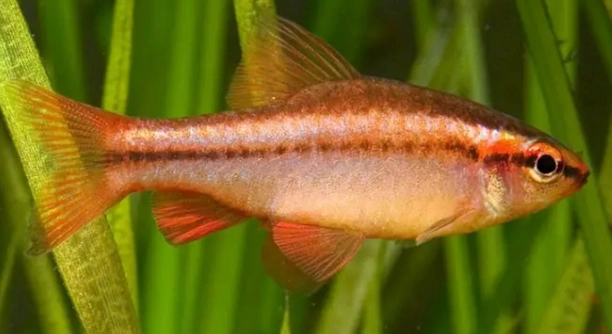
Is your Cherry Barb acting a little more reserved than usual, hiding more often or skipping meals in a peaceful tank environment?
Mild stress in Cherry Barbs can be addressed through natural remedies such as improving water quality, adding hiding spots, maintaining stable temperatures, and incorporating stress-relieving plants and companions that help support their behavior and immune function.
These natural options offer gentle support for your Cherry Barb without harsh interventions, helping maintain a calm and balanced aquarium environment.
Maintain Consistent Water Quality
Cherry Barbs are sensitive to even small changes in their water environment. Stress often starts with unstable parameters like fluctuating temperature, pH, or ammonia levels. A stable, clean tank helps reduce that stress significantly. Weekly water changes of 20-25%, consistent filtration, and careful monitoring with a reliable test kit are essential. Avoid overfeeding and remove uneaten food to limit organic waste. Consider using a gentle sponge filter to prevent excessive current, especially in smaller tanks. A heater with a built-in thermostat will help maintain a stable temperature between 74–80°F. Stick to gradual changes during maintenance instead of sudden adjustments. The more predictable their environment is, the less likely they are to show signs of stress.
Avoid large water changes all at once. Too much disruption can shock your fish rather than help.
Keeping the water conditions steady offers your Cherry Barb a sense of safety. Small, regular habits help build a stable habitat that supports their comfort and well-being. It also helps you catch small problems before they become larger ones. Stability is key here—both in the numbers and in how often they change. When fish feel secure, they are more likely to be active, show color, and interact peacefully with tank mates.
Create Gentle Shelter Spaces
Cherry Barbs are not aggressive, but they value having safe spaces. Without those, they may become skittish or hide often.
Adding live plants, soft decorations, and natural hiding spots can give Cherry Barbs what they need to feel safe without isolating them. Java fern, Anubias, and moss are good options, as they don’t require strong lighting and provide cover. Use driftwood and smooth rocks to create simple caves and shaded zones. These help Cherry Barbs rest without feeling exposed. If your tank is sparsely decorated, even floating plants like duckweed or frogbit can offer the right cover. Avoid overcrowding the tank, though—there should still be open areas for swimming. A balanced design of open and sheltered spots allows your Cherry Barbs to choose what feels safe. That sense of control reduces their stress and encourages natural behaviors like schooling and feeding. You’ll also notice their colors become more vibrant in a calm, well-arranged tank.
Reduce Tank Noise and Vibrations
Excessive noise or strong vibrations near the tank can stress Cherry Barbs. Avoid placing tanks close to speakers, televisions, or heavy foot traffic areas. Keep filters and equipment running smoothly to prevent unnecessary rattling or humming.
Cherry Barbs are sensitive to sound and movement outside their tank, especially low-frequency vibrations that humans may not notice. Consistent background noise can create tension for them over time. Try using a tank mat or stand that absorbs vibration. Avoid slamming doors or sudden loud sounds near their space. If you have children or pets, keeping their play area away from the tank helps. A calm environment outside the aquarium allows fish to relax more inside it. When noise and sudden disruptions are minimized, your Cherry Barbs can maintain healthier routines and exhibit calmer behavior. They will also interact more freely with tank mates instead of hiding frequently.
Keeping external stress low is just as important as maintaining clean water. Stress builds up from daily disturbances that might not seem harmful at first. Fish don’t have many ways to cope with those environmental changes. A peaceful tank location allows them to settle into a more stable rhythm. You’ll likely see more natural swimming patterns and better appetite once the tank area becomes quieter and more consistent.
Use Calm, Compatible Tank Mates
Aggressive tank mates can make Cherry Barbs anxious and withdrawn. Stick to peaceful fish that match their activity level. Avoid large or fast swimmers that may dominate feeding areas or chase them.
Cherry Barbs do best in social groups of their own kind—ideally six or more. In a proper group, they’re more confident and less likely to be stressed. Good companions include Harlequin Rasboras, Corydoras, and small Tetras. These species have gentle temperaments and similar care needs. Stay away from fin-nippers or highly active fish like Tiger Barbs or some Danios, which may intimidate Cherry Barbs. Be mindful of how much space your tank has to support multiple species. Overcrowding can trigger stress, even if all the fish are peaceful. Observe behavior regularly to make sure everyone is thriving. When tank mates are well-matched, Cherry Barbs will feel safer, swim more freely, and interact in a relaxed way without fear.
Add Stress-Reducing Plants
Live plants like Anubias, Java moss, and hornwort offer more than just decoration. They help lower stress by mimicking a natural environment, offering cover, and improving water quality by absorbing excess nutrients.
Plants also reduce harsh lighting and break up line of sight, which can calm territorial behavior.
Stick to a Predictable Routine
Cherry Barbs feel more secure with consistency. Feed them at the same times each day, and limit tank maintenance to regular intervals. Sudden changes to light cycles, feeding habits, or tank layout can make them uneasy and lead to stress-related behavior. Use a timer for lights and avoid rearranging the tank frequently. Routine helps them anticipate their environment, leading to steadier activity levels, better eating habits, and improved overall health. When everything happens at a familiar pace, they have fewer reasons to feel threatened. Predictability gives your fish the structure they need to thrive in their small ecosystem.
Limit Bright or Harsh Lighting
Too much light can make Cherry Barbs feel exposed. Use moderate lighting and provide shaded spots with plants or decorations. A dim, balanced setup creates a calming space where they can relax throughout the day.
FAQ
Can Cherry Barbs get stressed easily?
Yes, Cherry Barbs are sensitive to their surroundings. Loud noises, sudden water changes, poor tank conditions, and aggressive tank mates can all stress them. Even bright lighting or an unbalanced group can lead to tension and erratic behavior. Keeping their environment calm and stable makes a big difference.
What are the signs of stress in Cherry Barbs?
Signs of stress include hiding more often, loss of appetite, rapid gill movement, duller color, clamped fins, and darting behavior. Sometimes they may isolate themselves or stop schooling with their group. Stress also lowers their immune response, making them prone to disease if it’s not addressed.
How long does it take for Cherry Barbs to recover from stress?
Recovery depends on the cause. If the stressor is removed quickly, some Cherry Barbs bounce back in a few days. Others might take a week or more to fully relax and return to their normal behavior. Keep things stable, and avoid more changes during recovery.
Do Cherry Barbs need a filter to stay calm?
Yes, a filter is necessary. It keeps the water clean and oxygenated, which helps reduce stress. However, make sure the current isn’t too strong. Cherry Barbs prefer calm water flow. A gentle sponge filter or adjustable flow filter is usually ideal for their comfort.
Is it better to keep Cherry Barbs in groups?
Definitely. Cherry Barbs are social fish and should be kept in schools of at least six. Being in a proper group reduces stress, increases confidence, and encourages more natural behaviors. A lonely or isolated Cherry Barb is far more likely to become anxious or sick.
Do Cherry Barbs prefer quiet environments?
Yes, they do best in quiet spaces. Loud noises, vibrations, or sudden movement can startle them. Avoid placing the tank near TVs, speakers, or high-traffic areas. A peaceful environment outside the tank helps them feel secure inside it.
Can I use stress coat products for Cherry Barbs?
Yes, water conditioners with stress coat additives can help. These products often include aloe vera or similar ingredients that support the slime coat and promote healing. Use them during water changes or after introducing new fish to reduce the chance of stress reactions.
Are natural remedies safe for Cherry Barbs?
Many are safe when used properly. Indian almond leaves, for example, release tannins that lower stress and slightly soften the water. They also have mild antibacterial properties. Other options like adding live plants or adjusting lighting are also natural ways to create a calming space.
Do Cherry Barbs need hiding spots to feel safe?
Yes, hiding spots are important. Use plants, caves, driftwood, or decorations to create areas where they can retreat. Even if they don’t always use them, knowing the spots are available gives the fish a sense of safety, which lowers their baseline stress level.
Can bright lighting make Cherry Barbs anxious?
Bright or sudden lighting can make them feel exposed, especially if the tank lacks shade. Use moderate lighting and add floating plants or tall plants for cover. A natural day-night cycle with a light timer also helps keep them comfortable and stress-free.
What temperature range keeps Cherry Barbs comfortable?
They thrive in water temperatures between 73°F and 81°F (23°C to 27°C). Keep the temperature stable—fluctuations can stress them out. Use a reliable aquarium heater, especially during colder months, and monitor the tank regularly with a thermometer.
How often should I do water changes to prevent stress?
Do partial water changes weekly—about 25–30% is ideal. This keeps ammonia and nitrate levels in check and provides a cleaner, more stable environment. Make sure the new water is dechlorinated and close to the same temperature as the tank to avoid shocking your fish.
Do Cherry Barbs respond to human interaction?
They can learn to recognize their caretaker over time and may swim to the front of the tank during feeding. While they don’t bond like some pets, they respond better to gentle, consistent behavior and don’t appreciate tapping on the glass or quick hand movements.
Can changing tank decorations stress Cherry Barbs?
Yes, moving things around too often can unsettle them. They get used to their surroundings and rely on landmarks to navigate and feel secure. If you need to change things, do it gradually and give them time to adjust. Avoid full rearrangements unless necessary.
Final Thoughts
Caring for Cherry Barbs involves more than just feeding them and keeping their water clean. These small fish have specific needs when it comes to their environment and social structure. When those needs are not met, stress becomes a problem. Mild stress might seem unimportant at first, but over time it can affect their health, color, and behavior. That’s why it’s important to notice even small signs and make changes early. Natural remedies, when used properly, are simple ways to support their well-being without harsh chemicals. These options work best when combined with a balanced, stable tank environment.
Each remedy covered in this article is gentle and supportive, especially for mild stress. Live plants, proper lighting, hiding spots, and almond leaves all provide comfort in different ways. They help build a peaceful space that feels safe to your Cherry Barbs. These solutions are easy to apply and do not require major changes. Small efforts like improving water quality or reducing bright light can help a stressed fish calm down. It’s also helpful to monitor their behavior regularly. Watching for small shifts gives you a better understanding of what works best for your fish and what to avoid.
Maintaining a healthy tank means staying consistent with care and being aware of your fish’s comfort levels. Cherry Barbs do best in calm, quiet tanks where they can school together, swim freely, and hide when they need to. Even though they are hardy fish, they can still become anxious if their space doesn’t meet their natural needs. Sticking to a routine and using gentle, natural remedies gives them a better chance to thrive. With patience and care, it’s possible to create a stable, low-stress environment where your Cherry Barbs stay active, colorful, and healthy over time.

Hello,
If you enjoy the content that we create, please consider saying a "Thank You!" by leaving a tip.
Every little bit helps us continue crafting quality advice that supports the health, happiness, and well-being of pets around the world, for pets of all shapes, sizes, and species.
We really appreciate the kindness and support that you show us!