
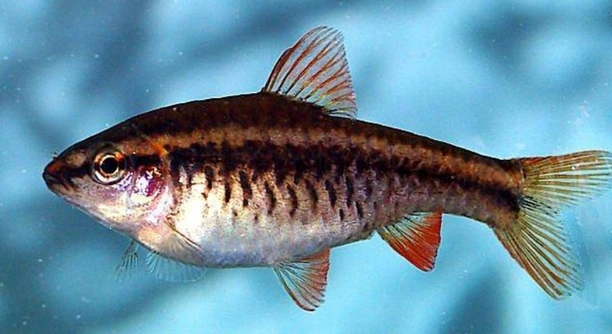
Cherry barbs are small, colorful fish that are popular in aquariums. You may have noticed their swimming behavior, where they often dart in short bursts rather than swimming steadily. This article explores the reasons behind this unique movement.
The short burst swimming pattern of cherry barbs is related to their natural instincts. This behavior is thought to help them avoid predators by using quick, sharp movements to escape danger. It also aids in foraging for food.
Understanding their behavior can provide insight into how to create a more comfortable environment for cherry barbs. By knowing the reasons behind their movements, you can ensure their well-being in your aquarium.
Why Cherry Barbs Swim in Short Bursts
Cherry barbs have a fascinating way of swimming. Instead of gliding slowly through the water, they often dart in quick, short bursts. This behavior is natural and is seen in many small fish species. Cherry barbs, being relatively small and delicate, use this method to stay alert and avoid danger. By swimming quickly in unpredictable patterns, they make it harder for predators to catch them.
While it may seem like a strange way to swim, it’s a survival tactic. In the wild, cherry barbs have to be quick to evade predators like larger fish or birds. In an aquarium, this behavior is a reflection of their instinctive need for safety and protection.
Even in a secure tank, this burst swimming pattern can be seen as the fish feel more vulnerable than they would in the open water. Keeping them in a well-planted aquarium can give them the feeling of safety, encouraging natural behavior and providing them with more places to hide when needed.
How Cherry Barbs Forage
The way cherry barbs search for food also explains their quick swimming bursts. These fish are always on the lookout for small particles in the water, like algae or tiny invertebrates. By darting around, they can cover more ground and spot their food faster.
This foraging behavior is important for their survival, both in the wild and in aquariums. In their natural habitat, cherry barbs swim quickly to find food sources scattered throughout their environment. Their short bursts help them pick up on food that might otherwise be hard to detect.
In your aquarium, feeding cherry barbs may encourage them to swim in bursts as they search for their next meal. Offering them live food like brine shrimp or small worms could replicate their natural feeding habits. This also adds to their physical activity, helping them stay healthy and active.
The Role of Tank Setup in Swimming Behavior
The environment in which cherry barbs live can impact their swimming patterns. A tank with plenty of hiding spots and plants encourages them to act naturally, allowing them to dart between these safe areas. A well-planted tank provides a sense of security.
Cherry barbs feel more comfortable in tanks that mimic their natural habitat. Dense plants, rocks, and other decor give them places to hide from perceived threats. This setup not only benefits their overall well-being but also triggers their burst swimming behavior, as they navigate between hiding spots and explore their environment.
An open tank with minimal décor can lead to stress, making them swim erratically or hide in corners. To encourage healthy behavior, providing a more structured environment with plants and decorations can help your cherry barbs feel at ease, leading to their typical short bursts of swimming.
Cherry Barbs and Social Behavior
Cherry barbs are social creatures, often swimming in groups. When kept alone, they may swim erratically due to stress. However, in groups, they tend to feel more secure and swim in a more predictable pattern.
In a school, cherry barbs can share the responsibility of staying alert for predators. The bursts of swimming become more synchronized as they move together, creating a calming effect on each other. This social aspect plays a huge role in their overall behavior.
If you notice that your cherry barbs are swimming in shorter bursts when isolated, adding a few more of them can help. A group of at least five is ideal, allowing them to interact and feel safer. This social setup mimics their natural instincts, leading to healthier and calmer behavior.
Cherry Barbs and Their Feeding Habits
Cherry barbs are opportunistic feeders, often darting in short bursts to catch small particles. This behavior is more noticeable during feeding time, as they actively search for food. Their quick movements allow them to spot small bits of food in the water more efficiently.
These bursts happen when they are actively hunting for food or responding to food being added to the tank. In an aquarium setting, providing live food like brine shrimp can trigger their natural feeding instincts. Watching them chase after food in bursts can be fascinating and gives insight into their active, foraging nature.
The Importance of Water Quality
Water quality plays a big role in the behavior of cherry barbs. Poor water quality can cause stress, leading to erratic swimming and reduced activity. Keeping the tank water clean and properly filtered helps them feel more comfortable.
Healthy water conditions allow cherry barbs to swim freely, promoting more natural behavior. It’s crucial to monitor temperature, pH, and ammonia levels. These factors impact their overall health and can influence their tendency to swim in short bursts, ensuring that they stay active and alert.
Stress and Its Effects on Swimming
Stress can cause cherry barbs to swim in short, quick bursts, often darting back and forth rapidly. This is a response to perceived threats or discomfort in their environment.
A stressed cherry barb might act differently than usual, swimming in an erratic manner. Understanding the signs of stress, such as excessive hiding or constant burst swimming, helps ensure that the fish’s needs are met and that they can relax in a more suitable environment.
FAQ
Why do cherry barbs swim in short bursts?
Cherry barbs swim in short bursts primarily as a defense mechanism. In the wild, their quick movements help them escape predators. They are instinctively wired to dart away when they sense danger, even if they are in an aquarium where predators aren’t present. This behavior is also linked to their natural foraging habits, where short, quick movements help them catch small food particles.
Do cherry barbs always swim in bursts?
No, cherry barbs don’t always swim in bursts. Their swimming behavior depends on factors like their environment and social dynamics. When they feel secure and are in a group, they may swim more steadily. However, when stressed, in search of food, or exploring their environment, they may revert to their burst swimming behavior.
How can I reduce burst swimming in my cherry barbs?
To reduce burst swimming, create a more stable and secure environment. Adding more plants, hiding spots, and decorations can make the tank feel safer. Keeping a group of cherry barbs (at least five or more) will also help, as they naturally feel more comfortable in groups and are less likely to exhibit erratic behavior.
Is burst swimming a sign of stress in cherry barbs?
While burst swimming can be a sign of stress, it is also a normal behavior, especially when the fish are foraging or evading predators. However, if the fish are constantly swimming in short bursts without stopping or showing signs of other stress behaviors (like hiding or rapid breathing), it could indicate an issue with the tank’s water quality, temperature, or tank mates.
Can cherry barbs swim in a tank without many plants?
Yes, cherry barbs can swim in tanks with fewer plants, but they might not feel as secure or comfortable. A tank with plants or hiding spots encourages natural behavior, like burst swimming, which provides a sense of safety. Without these elements, they may swim more erratically or display stress behaviors.
How many cherry barbs should I keep in a tank?
It’s recommended to keep at least five cherry barbs in a group. Cherry barbs are social fish, and keeping them in groups helps reduce stress and encourages natural swimming behaviors. Smaller groups may lead to more stress, causing erratic swimming patterns like short bursts.
Can I keep cherry barbs with other fish?
Yes, cherry barbs can generally coexist with other peaceful species. However, it’s important to avoid aggressive fish that might stress them out. Tanks with a peaceful community of fish will encourage natural behaviors, including short burst swimming, as they feel safe within the group.
What is the best water temperature for cherry barbs?
Cherry barbs thrive in a water temperature range of 75°F to 80°F (24°C to 27°C). Maintaining a stable temperature within this range ensures they remain active, healthy, and comfortable. Temperatures that are too low or high may cause stress, leading to more erratic swimming patterns.
Do cherry barbs need a specific water pH level?
Yes, cherry barbs prefer a slightly acidic to neutral pH level, typically between 6.5 and 7.5. If the pH level is too extreme, either too acidic or too alkaline, it can cause stress and disrupt their normal swimming behavior. Regular testing and adjustments can help maintain ideal water conditions.
How can I tell if my cherry barb is stressed?
Stressed cherry barbs may display signs like erratic swimming (more than the usual burst movements), excessive hiding, or rubbing against objects in the tank. They may also become more lethargic or stop eating. If any of these signs appear, it’s important to assess their environment and make necessary changes.
Are cherry barbs good for beginners?
Yes, cherry barbs are generally considered beginner-friendly. They are hardy and adaptable, making them easy to care for in most home aquariums. With proper tank conditions, such as stable water quality, temperature, and a peaceful environment, they will thrive and exhibit their natural behaviors, like burst swimming.
Can I feed cherry barbs live food?
Yes, cherry barbs can benefit from live food like brine shrimp or daphnia. Live food encourages their foraging behavior, which is consistent with their natural instincts. Providing a variety of food options, including flakes, pellets, and occasional live food, will ensure they get the nutrition they need and enjoy their active swimming bursts.
How do cherry barbs reproduce?
Cherry barbs are egg layers, and their breeding behavior involves the male chasing the female in a rapid display of swimming. They often exhibit burst movements during the courtship. Once the female lays eggs, they are fertilized by the male. A separate breeding tank with soft, slightly acidic water is ideal for encouraging breeding.
How often should I feed my cherry barbs?
Cherry barbs should be fed small meals twice a day. Overfeeding can lead to poor water quality, which might cause stress and erratic swimming. A balanced diet of high-quality flakes, pellets, and occasional live or frozen food is ideal. The key is to offer just enough food that they can consume in a few minutes.
Can cherry barbs live alone?
Cherry barbs can survive alone, but they may become stressed without the company of other fish. As social creatures, they are best kept in groups, where they feel more secure and exhibit more natural swimming behavior. A solitary cherry barb may swim more erratically or appear withdrawn.
Final Thoughts
Cherry barbs are fascinating little fish with unique swimming patterns. Their tendency to swim in short bursts is part of their natural behavior, rooted in their instincts to avoid predators and find food. This burst swimming is not only a defense mechanism but also a way for them to forage efficiently. It is important to remember that this behavior is completely normal, especially when they are in a safe and comfortable environment, such as a well-planted tank with enough space and hiding spots.
Creating the right environment for your cherry barbs can enhance their well-being and encourage natural behaviors. A tank with plenty of plants, rocks, and other hiding spots provides a sense of security. This will help reduce stress, making your fish feel more at ease. In addition, keeping them in a group of at least five cherry barbs allows them to interact with each other and feel less vulnerable. When cherry barbs feel safe, they tend to display calmer and more predictable behavior, making it easier to observe their natural swimming patterns.
Ultimately, understanding the reasons behind cherry barbs’ swimming behavior allows you to care for them better. Their bursts of movement are not something to worry about, but instead, they reflect their natural instincts and the environment in which they feel secure. Providing them with the right care, such as proper water quality, a peaceful tank setup, and a balanced diet, will ensure they stay healthy and active. By offering them the right conditions, you help them thrive in your aquarium and enjoy their burst swimming as part of their unique charm.

Hello,
If you enjoy the content that we create, please consider saying a "Thank You!" by leaving a tip.
Every little bit helps us continue crafting quality advice that supports the health, happiness, and well-being of pets around the world, for pets of all shapes, sizes, and species.
We really appreciate the kindness and support that you show us!