
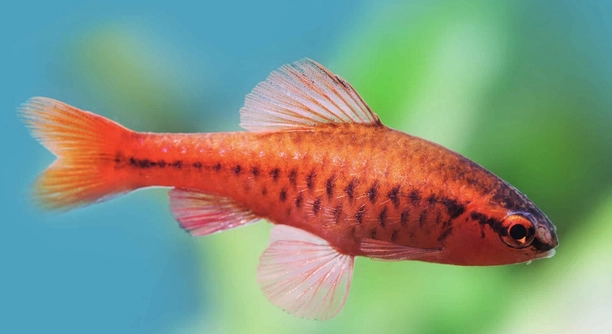
Are your cherry barbs spending more time hiding than swimming freely, leaving you unsure if their tank setup is quite right?
Cherry barbs tend to prefer planted tanks over open ones. The presence of plants mimics their natural habitat, providing both shelter and a sense of security. This environment supports their overall well-being and encourages more active, social behavior.
Exploring how tank design impacts their comfort and activity can help you create a space where your cherry barbs feel safe and thrive.
Why Cherry Barbs Feel Safer in Planted Tanks
Cherry barbs are small, peaceful fish that thrive when they feel safe. In planted tanks, they find comfort in the coverage provided by leaves and stems. These plants give them space to explore, hide when stressed, and interact more naturally with their surroundings. This makes a big difference in how they behave. In open tanks, where there’s little or no cover, cherry barbs can become shy and less active. They may spend more time staying still or hiding in corners, which isn’t ideal. In planted environments, you’ll see them swim in groups, dart through foliage, and show off their natural colors. This behavior is a good sign they are relaxed and healthy. Whether you choose live or artificial plants, the structure helps reduce stress and supports their well-being. A thoughtfully planted tank doesn’t just look better — it plays a role in how your cherry barbs live each day.
Open tanks lack shelter and stimulation, which can lead to bored or nervous fish. This often affects their health over time.
Choosing a planted tank helps create an environment that mimics what cherry barbs are used to in the wild. When fish feel more secure, they show more natural behavior, like schooling and active swimming. They’re also more likely to eat well and display brighter colors. The presence of plants breaks up line of sight, which can reduce any stress from more dominant tank mates. Even though cherry barbs are peaceful, this still plays an important role in group dynamics. Additionally, live plants can help maintain better water quality by absorbing some waste products, though artificial plants work too if cared for properly. It’s all about creating a space that supports their instincts. Watching them move through plants and interact with their environment is also more enjoyable for you. It’s a simple change, but it makes a noticeable impact on how your cherry barbs live and thrive.
Best Plants for Cherry Barb Tanks
Cherry barbs do well with soft-leaved plants like java fern, anubias, and hornwort. These types give cover without overwhelming their space.
Java fern and anubias are easy to care for and don’t need much light, which is helpful if you’re just starting. They grow slowly and don’t take over the tank, so there’s less upkeep. Hornwort is good for floating or background cover. It grows faster and provides a more tangled space for fish to swim through. All three are gentle on fins, so there’s no risk of injury. Planting in layers—low, mid, and tall—gives your cherry barbs room to explore at every level of the tank. It also helps create shaded areas, which reduce stress. If you prefer artificial plants, choose ones that mimic natural shapes and avoid sharp edges. Keep plants spaced enough so the fish can swim freely. A balanced setup makes the tank feel more alive and better suited for your cherry barbs.
How Lighting and Space Influence Behavior
Too much light in an open tank can make cherry barbs feel exposed. Bright lighting without cover may cause them to hide or stay still. Moderate lighting with plants helps them feel secure and show more natural movement.
Lighting impacts how cherry barbs interact with their space. In a tank with strong overhead lights and no hiding spots, they may appear dull and inactive. They’re more likely to hover near the bottom or dart into corners. By softening the light with floating plants or taller greenery, you create a calm setting. This lets their natural colors show and encourages them to explore more confidently. Even adding adjustable lighting or dimmer periods can make a difference. Light plays a quiet but important role in how they behave each day. A well-balanced setup gives cherry barbs time to rest, explore, and socialize without unnecessary stress from harsh lighting.
Space also affects their behavior. Cherry barbs enjoy swimming in groups, so open swimming areas are still important. A tank that mixes plant cover with clear paths gives them the best of both. They’ll use plants to rest or hide when needed, but they still need room to swim comfortably. Too many decorations or crowded areas can make them feel trapped or stressed. A good rule is to leave enough horizontal space for free swimming, especially in tanks with five or more barbs. Watching them move together in a relaxed, natural way is a good sign they feel secure. It’s not just about filling a tank—it’s about making space that works for them.
Tank Mates and Stress Levels
Cherry barbs are peaceful and do best with other calm fish. Avoid aggressive or very large species that may intimidate them or compete for food. Good tank mates include rasboras, tetras, and small catfish like corydoras.
Stress can change how cherry barbs act, eat, and even look. If they’re paired with fast or aggressive tank mates, they may hide more often and become less active. Over time, this can affect their health. Stress also causes them to lose their bright red coloring, which is a clear sign something isn’t right. Calm, similar-sized fish help reduce tension in the tank. They share space well and don’t compete too much for food. Keeping groups of cherry barbs—at least five—is also helpful. They’re schooling fish and feel safer in numbers. This helps them show more of their natural behaviors and stay active, healthy, and more colorful in the long run.
Feeding Habits and Tank Environment
Cherry barbs feel more at ease eating in planted tanks. The extra cover helps reduce competition and stress, letting them feed more naturally and comfortably throughout the tank.
In open tanks, they may hesitate during feeding. Lack of shelter can make them nervous, especially if faster fish grab food first.
Maintenance Tips for Planted Tanks
Keep plants trimmed so they don’t overcrowd the tank. Overgrown plants can block light, reduce oxygen flow, and leave less room for swimming. Clean up decaying leaves regularly to prevent water quality issues. Use a gentle filter that won’t disturb the plants or scare the fish. Light should be on for 6–8 hours a day to support plant growth without overdoing it. If using fertilizers, choose ones that are safe for fish. Regular water changes are still important—even planted tanks need consistent care to stay healthy. A clean, balanced setup helps cherry barbs stay active and stress-free.
When Open Tanks Might Work
Open tanks can work if they include floating plants or decorations that provide partial cover. This helps ease stress while still offering plenty of room to swim.
FAQ
Do cherry barbs need a lot of plants in their tank?
No, they don’t require a heavy amount of plants, but they do benefit from some. A few plants help them feel secure and encourage natural behaviors like schooling and foraging. Plants also help improve water quality by absorbing excess nutrients and providing oxygen, which is beneficial for your cherry barbs. If you’re using plants, make sure they are low-maintenance and appropriate for the tank size.
Can cherry barbs live without plants?
While cherry barbs can live in tanks without plants, it’s not the ideal environment. Without plants, they may feel exposed and stressed, leading to less active behavior. They will often swim in corners or hide more. Adding plants—whether live or artificial—gives them more comfort and stimulation, making them feel safer.
Are cherry barbs finicky about water conditions?
Cherry barbs are relatively hardy fish, but they still require stable water conditions to thrive. They prefer temperatures between 72°F and 78°F and pH levels between 6.0 and 7.5. Regular water changes are important, especially in tanks with fewer plants, to maintain good water quality. Cherry barbs are more sensitive to poor water conditions than to slight variations in temperature or pH, so maintaining clean water should be a priority.
How many cherry barbs should be kept together?
Cherry barbs are schooling fish, so they should be kept in groups of at least 5 to 6. A small group allows them to exhibit natural behavior like swimming together, foraging, and socializing. A larger group may even encourage more active swimming and reduce shyness. Keeping too few can cause stress, as they’ll feel exposed without the security of a group.
Can cherry barbs live with other fish?
Yes, cherry barbs can live with many other peaceful species. They get along well with other small, non-aggressive fish like tetras, rasboras, and corydoras catfish. Avoid larger or more aggressive species that may intimidate or compete with them for food. It’s important to choose tank mates that share similar temperaments and won’t stress your cherry barbs.
How often should I feed cherry barbs?
Cherry barbs should be fed once or twice a day with high-quality flake or pellet food. Supplementing their diet with frozen or live foods, such as brine shrimp or daphnia, can provide extra nutrients and stimulate their natural hunting behaviors. Be careful not to overfeed, as leftover food can quickly degrade water quality. Only give them what they can consume in a few minutes to avoid excess waste in the tank.
Do cherry barbs need a special type of substrate?
Cherry barbs don’t require a specific type of substrate, but it’s helpful to use fine gravel or sand for easy plant growth and to avoid hurting their delicate fins. If you’re using plants, make sure the substrate is nutrient-rich to support root development. A bare-bottom tank is fine, but it may not offer the same comfort or aesthetic appeal as one with soft, natural materials.
Are cherry barbs good for beginners?
Yes, cherry barbs are often recommended for beginners due to their hardiness and peaceful nature. They are relatively easy to care for and don’t require highly specialized care. However, new aquarium owners should still be aware of the basics, such as water changes, feeding, and providing a suitable environment for the fish to thrive.
How do I know if my cherry barbs are stressed?
Stressed cherry barbs will show signs like reduced activity, loss of color, hiding more often, or excessive skittishness when approached. They may also become less interested in food or swim erratically. Keeping the tank clean, avoiding aggressive tank mates, and offering plenty of plants can help reduce stress and encourage natural behaviors.
Can I keep cherry barbs in a tank with strong water currents?
Cherry barbs prefer gentle water currents, so tanks with strong filtration or high water flow may cause them stress. If you have a powerful filter, consider adding baffles or creating areas of calm water with plants or decorations. Cherry barbs like to swim in areas where the water is gentle and calm, making it easier for them to feel secure.
Do cherry barbs get along with shrimp?
Yes, cherry barbs generally get along well with shrimp, especially species like cherry shrimp or Amano shrimp. Since cherry barbs are small and peaceful, they tend to ignore shrimp unless they are very small or vulnerable. However, it’s always best to ensure the shrimp are large enough to avoid being seen as food, as cherry barbs might nibble on smaller shrimp.
Can I add cherry barbs to a newly set-up tank?
It’s best to wait until the tank is fully cycled before introducing cherry barbs. New tanks can have unstable water conditions, which can harm the fish. Once the tank’s nitrogen cycle is complete and water parameters are stable, cherry barbs can be added without much risk. Make sure to test the water before introducing any new fish.
Do cherry barbs need a heater?
Yes, cherry barbs prefer warmer water, so a heater is recommended for maintaining a stable temperature between 72°F and 78°F. Sudden temperature changes can cause stress or illness. Using a reliable heater with a thermometer helps keep the water temperature steady, ensuring the health of your cherry barbs.
How do cherry barbs breed?
Breeding cherry barbs is relatively straightforward. They are egg-scatterers, meaning they release their eggs in the tank, where they attach to plants or substrate. To encourage breeding, provide plenty of plants and reduce the water temperature slightly. After breeding, remove the parents to prevent them from eating the eggs. Baby cherry barbs will hatch in about 24–48 hours. Once they start swimming, they can be fed with infusoria or finely crushed flake food.
Do cherry barbs prefer bright or dim lighting?
Cherry barbs are more comfortable in moderate lighting. While they don’t require dim lighting, overly bright tanks can make them feel exposed and stressed. A gentle, natural light helps them thrive, especially if it’s combined with plants that offer shade and cover.
Final Thoughts
Cherry barbs are peaceful, beautiful fish that do best in a well-planted tank. While they can survive in an open tank, they truly thrive when given plenty of cover, like plants, to make them feel secure. Plants provide not only shelter but also help maintain better water quality by absorbing excess nutrients and improving oxygen levels. This makes the environment healthier for your cherry barbs, and it allows them to display their natural behavior, like schooling and exploring the tank. Having plants also reduces stress, which is crucial for their well-being and overall health.
When considering tank mates, remember that cherry barbs are peaceful fish. They do well with other calm species like tetras and rasboras, but it’s important to avoid larger or aggressive fish. A peaceful community tank will help cherry barbs feel comfortable and active. It’s also important to keep them in groups of at least five or six because they are schooling fish. In smaller groups, they may become shy, hiding more often and not showing their usual bright colors. A larger group creates a safer, more active environment for them, making them feel more secure.
Maintaining a planted tank for cherry barbs is not overly difficult, but it does require regular care. You’ll need to trim plants, clean up any decaying matter, and ensure the water quality remains high. The effort is worth it, though, as your cherry barbs will not only feel more at ease but also thrive in a more natural and stimulating environment. Whether you choose live plants or artificial ones, the goal is to create a space that mimics their natural habitat, which will encourage them to live happy, active lives.

Hello,
If you enjoy the content that we create, please consider saying a "Thank You!" by leaving a tip.
Every little bit helps us continue crafting quality advice that supports the health, happiness, and well-being of pets around the world, for pets of all shapes, sizes, and species.
We really appreciate the kindness and support that you show us!