
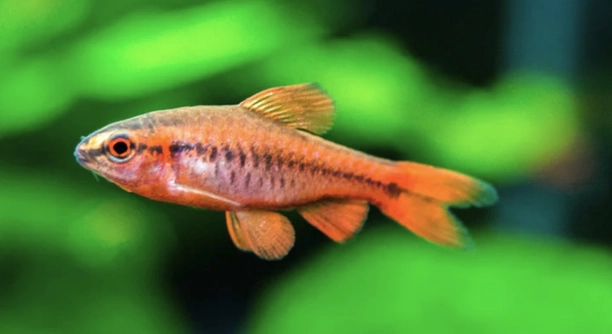
Cherry barbs are peaceful and colorful fish often kept in aquariums. These small fish can thrive in various environments, making them an appealing choice for aquarists. However, their compatibility with divided tanks requires careful consideration.
Cherry barbs can adapt to a divided aquarium, provided their tank mates are similarly peaceful. Their peaceful nature allows them to coexist with other non-aggressive species, though care must be taken with territorial boundaries.
Understanding the potential challenges of keeping cherry barbs in divided aquariums will help ensure a healthy and peaceful environment for all inhabitants.
Understanding Cherry Barbs’ Behavior in Divided Tanks
Cherry barbs are known for their calm nature, making them an excellent choice for a peaceful tank environment. They tend to be shy and non-aggressive, which can help them fit into a divided aquarium, where certain boundaries need to be maintained. It’s important to ensure that the tank is divided properly to avoid any unwanted stress for the fish. With the right tank setup, cherry barbs can coexist well with other non-aggressive species, as long as there’s no competition for resources. The key is creating a balanced environment where all fish feel secure and comfortable.
While cherry barbs are peaceful, it’s still essential to monitor their behavior. They may become stressed if they feel trapped or overcrowded. Over time, this could lead to health problems or behavior issues. Keeping the right balance and providing enough space for each fish is critical to maintaining harmony in a divided tank.
Adding cherry barbs to your aquarium can provide vibrant colors and an active atmosphere, but it’s vital to consider their compatibility with other species. Divided tanks can create zones that help prevent aggression, but you must pay attention to their social dynamics. Cherry barbs thrive in environments where they feel safe and aren’t under constant pressure from more dominant tank mates. This is why it’s essential to choose other fish carefully and monitor the tank closely.
Tank Setup and Compatibility
A proper tank setup is crucial for cherry barbs in divided aquariums. Each section should be spacious enough to allow them to swim freely without feeling cornered.
In a divided aquarium, the fish are confined to certain areas, but this shouldn’t feel limiting for the cherry barbs. A well-organized tank can ensure that each fish has enough space to swim, explore, and hide when needed. It’s important to avoid overcrowding, as this can lead to stress and aggression, even in peaceful species like cherry barbs. When setting up a divided tank, focus on maintaining an environment that mimics their natural habitat. Adding plants, rocks, and hiding spots will provide cherry barbs with the security they need. Also, ensure that each section of the tank has enough water flow and oxygen, as stagnant water can cause health problems. Regular maintenance and water changes are key to keeping the tank clean and healthy.
By following these guidelines, you can create a divided tank setup that works well for cherry barbs and other peaceful species. It’s all about providing a comfortable environment where every fish has enough room to thrive.
Potential Issues with Divided Aquariums
While divided aquariums offer benefits, they can also present some challenges. Cherry barbs might feel restricted if the spaces are too small, leading to stress. Poor water flow between sections can cause poor water quality, affecting all the fish. Proper maintenance is essential to avoid these issues.
When setting up a divided tank, consider water filtration carefully. Without adequate filtration, water quality can degrade quickly, harming both the cherry barbs and other fish. It’s also essential to monitor each section’s temperature and pH levels. Small changes can cause stress for sensitive species, so consistency is key. Make sure there’s enough water circulation between divisions, or you could end up with stagnant areas that promote the growth of harmful bacteria. Consistent water checks and adjusting the filtration system accordingly can prevent this.
Lastly, while cherry barbs can thrive in divided tanks, their well-being depends on ensuring their space is large enough. Crowded conditions lead to heightened stress, which weakens their immune system and increases the risk of disease. A proper tank setup and maintenance will reduce the likelihood of these health concerns.
Choosing Compatible Tank Mates
Choosing the right tank mates for cherry barbs is crucial in a divided aquarium. The fish you add should be calm and non-territorial.
Cherry barbs do well with other peaceful species that won’t intrude on their space. Popular companions include small tetras, rasboras, or other mild-mannered fish. It’s important to avoid aggressive species that may cause stress or conflict within the divided sections. In a divided tank, each fish needs its own space, so be sure the tank mates don’t compete for resources like food and hiding spots. Cherry barbs are also small, and they may be intimidated by larger, more aggressive species.
When selecting tank mates, consider not only the temperament but also the environmental needs of each species. Tank mates with similar temperature and water quality preferences will thrive together. A balanced tank setup ensures that everyone can enjoy a peaceful environment. With careful planning and the right mix of species, cherry barbs can live harmoniously alongside their tank mates.
Monitoring Water Quality
Water quality is one of the most important aspects of a divided aquarium. Without proper care, the water can quickly become polluted, which can negatively impact the health of the fish, including cherry barbs. Regular checks are essential.
Regular water testing for ammonia, nitrite, nitrate, and pH levels is key to maintaining a healthy environment. Poor water quality can lead to stress and disease, so it’s essential to stay on top of water changes. Cherry barbs, like many other fish, are sensitive to water fluctuations. By testing the water frequently and adjusting filtration and water changes as needed, you can keep your aquarium in optimal condition. Avoid overfeeding, as excess food can pollute the water and lead to algae growth.
Taking these steps will not only benefit the cherry barbs but also the overall health of all your tank inhabitants. A consistent routine helps prevent issues and maintains a harmonious living space for your fish.
Tank Dividers and Space
The right size tank dividers make a huge difference. If they’re too small, the fish may feel cramped.
Tank dividers should provide enough space for each fish to swim comfortably. Avoid placing dividers too close together, as this can restrict movement and lead to stress. Proper spacing also prevents overcrowding, which could harm the fish’s health.
Fish Behavior Observation
Watching your fish interact is crucial for understanding how well they’re adjusting to the divided tank. Keep an eye on their behavior.
Changes in behavior, such as hiding more often or becoming more aggressive, might indicate stress. If these signs occur, you may need to adjust the tank setup or reconsider the tank mates.
FAQ
Can cherry barbs live in a divided tank with other species?
Yes, cherry barbs can live in a divided tank with other peaceful species. The key is selecting compatible tank mates that won’t disrupt their calm nature. Avoid aggressive fish, as they may cause stress and territorial disputes. Species such as small tetras, rasboras, and other non-aggressive fish can thrive alongside cherry barbs in a divided setup. It’s important to monitor interactions closely to ensure all fish are comfortable in their respective spaces.
What is the best tank size for cherry barbs in a divided aquarium?
For cherry barbs, the minimum tank size is around 20 gallons. However, larger tanks provide better space for each section, allowing for a more comfortable environment. For divided tanks, consider adding a few extra gallons per section. This ensures that the fish have enough space to swim and avoids overcrowding. A larger tank also helps maintain stable water parameters and better filtration.
How often should I change the water in a divided tank?
Water changes are crucial for maintaining good water quality, especially in a divided tank. Typically, changing 20-30% of the water every 1-2 weeks is recommended. However, the frequency may vary depending on the size of the tank, the number of fish, and the efficiency of the filtration system. Regular water tests can help you determine if more frequent changes are needed.
Do cherry barbs require a filter in a divided tank?
Yes, cherry barbs require a filter to maintain water quality. In a divided tank, it’s especially important to ensure that water flows properly between sections to prevent stagnation. A good filter will keep the water clean and remove waste products, preventing harmful conditions for the fish. Make sure the filter isn’t too powerful, as strong currents may stress the cherry barbs.
How can I prevent stress in cherry barbs in a divided aquarium?
To prevent stress in cherry barbs, provide enough space in each section of the tank. Avoid overcrowding and ensure that each fish has its own territory. Additionally, create hiding spots using plants, rocks, and decorations. Proper water conditions and a steady temperature also help reduce stress. Monitor the fish for any signs of aggression or discomfort, and make adjustments as needed.
Can cherry barbs live with other small, peaceful fish in a divided tank?
Yes, cherry barbs do well with other small, peaceful fish. As long as the other species are non-aggressive and have similar care requirements, they can coexist in a divided tank. Choose tank mates like small tetras, guppies, or Corydoras catfish. Be sure to avoid larger or more territorial species, as they may disrupt the peaceful nature of the cherry barbs.
What are the signs that my cherry barb is stressed?
Signs of stress in cherry barbs can include hiding more than usual, reduced activity, and changes in eating habits. If they are constantly hiding or swimming erratically, it could indicate stress. Other signs to look out for are faded color or clamped fins. If you notice any of these behaviors, check the water quality, tank mates, and overall setup to identify potential stressors.
Do cherry barbs need a heater in a divided tank?
Yes, cherry barbs require a stable water temperature between 72-80°F (22-27°C). A heater is recommended to maintain a consistent temperature, especially in a divided tank where water flow can vary. Ensure the heater is properly sized for your tank, and check the temperature regularly to avoid fluctuations that could stress the fish.
Can I keep male and female cherry barbs together in a divided tank?
Yes, male and female cherry barbs can live together in a divided tank. However, if breeding is not desired, you may want to keep the males and females separated or limit the number of males. Male cherry barbs can sometimes become territorial, and having too many males may lead to aggression. Monitor their behavior to ensure they are comfortable.
How can I make a divided tank more comfortable for cherry barbs?
To make a divided tank more comfortable for cherry barbs, ensure each section has enough space and resources. Add plants, rocks, and hiding spots to mimic their natural environment. Ensure good water flow and filtration to keep the tank clean. Also, make sure the tank dividers are secure and do not create any sharp edges that could harm the fish. Regularly check water parameters to maintain optimal conditions.
What do cherry barbs eat in a divided tank?
Cherry barbs are omnivores and will eat a variety of foods, including high-quality flakes, pellets, frozen foods, and live foods like brine shrimp or daphnia. Feeding them a balanced diet ensures they stay healthy. Be cautious not to overfeed, as uneaten food can pollute the water, leading to water quality issues.
Final Thoughts
Cherry barbs are peaceful, colorful fish that can thrive in a divided aquarium, given the right conditions. Proper tank size, regular water changes, and a good filtration system are essential for their well-being. By providing enough space for each fish and ensuring there are no stressors, they can coexist peacefully with compatible tank mates. A well-maintained divided tank setup offers them a comfortable environment to flourish.
It is important to remember that cherry barbs are small and sensitive. Overcrowding or poor water quality can lead to health issues. When planning your divided tank, ensure there is adequate space for each fish to swim and establish its own territory. Cherry barbs do well in tanks where they can move freely and find hiding spots. A balanced approach to tank setup, monitoring water conditions, and maintaining a peaceful atmosphere can help them thrive in a divided aquarium.
Overall, cherry barbs can make an excellent addition to a divided tank, as long as their needs are met. By selecting compatible tank mates, monitoring water quality, and avoiding stressors, they can live a long, healthy life in their aquarium. With a little care and attention, your divided tank can become a beautiful, harmonious space for cherry barbs and other peaceful species. The key is to maintain a balance that allows all fish to coexist peacefully while keeping their environment clean and safe.

Hello,
If you enjoy the content that we create, please consider saying a "Thank You!" by leaving a tip.
Every little bit helps us continue crafting quality advice that supports the health, happiness, and well-being of pets around the world, for pets of all shapes, sizes, and species.
We really appreciate the kindness and support that you show us!