
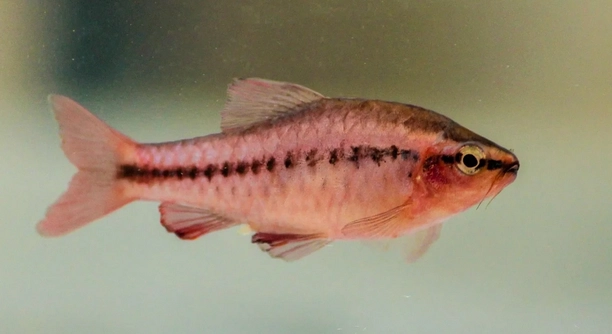
Cherry barbs are a popular choice for many aquarium enthusiasts. However, breeding them can be a bit tricky. Understanding the factors that discourage breeding can help improve their chances of successfully reproducing in your tank.
Several tank conditions can prevent cherry barbs from breeding. Poor water quality, inappropriate water temperature, inadequate lighting, lack of hiding spots, and aggressive tank mates are common factors that disrupt breeding behavior. Proper tank conditions are essential for successful breeding.
By adjusting the tank setup, you can encourage your cherry barbs to breed. Identifying these conditions and making necessary adjustments will promote a healthier environment for your fish and increase the likelihood of successful reproduction.
Poor Water Quality
Water quality is a critical factor when it comes to breeding cherry barbs. If the water is not properly filtered or maintained, it can lead to unhealthy conditions that prevent successful breeding. High levels of ammonia, nitrites, or nitrates can stress the fish and impact their ability to breed. Regular water changes and testing are essential to ensure your fish are in a healthy environment.
A good filtration system is key to maintaining water quality. It’s important to remove waste and excess nutrients that could affect water chemistry. Clean water also encourages the natural behaviors that are necessary for breeding.
Cherry barbs are sensitive to water quality. Keeping a consistent schedule for water changes and regularly testing your water parameters can prevent disruptions to their breeding cycle. If you notice changes in their behavior or appearance, it may be a sign that water quality needs improvement.
Incorrect Water Temperature
Water temperature plays a crucial role in breeding cherry barbs. If the water is too cold or too warm, it can stop the breeding process. The ideal temperature range for cherry barbs is between 75°F and 80°F.
A steady water temperature within this range supports the natural rhythm of their reproductive cycle. If the temperature fluctuates too much, the fish might become stressed and may not feel comfortable enough to breed. Using a reliable heater and thermometer helps maintain a stable environment, improving the chances of successful breeding.
Inadequate Lighting
Lighting can influence the breeding behavior of cherry barbs. If the tank is too dim or lacks a consistent light cycle, your fish might not feel the need to reproduce. A natural day-night cycle is essential.
Proper lighting helps mimic the conditions cherry barbs would experience in their natural habitat. Ideally, the tank should receive around 10-12 hours of light per day. Overexposure to light can also cause stress, so it’s essential to use a light timer to maintain a consistent schedule.
It’s not just about having light in the tank; it’s about the quality and timing of that light. By ensuring a proper day-night cycle, you can create the right environment to encourage cherry barbs to breed. Adding a gentle light source that mimics natural sunlight will help regulate their biological clock.
Aggressive Tank Mates
Aggressive tank mates can disrupt the peaceful environment cherry barbs need to breed. If there are fish in the tank that display territorial behavior or are overly active, it can stress the barbs and cause them to avoid breeding.
Choosing compatible tank mates is essential for creating a peaceful atmosphere. Cherry barbs are peaceful fish that do best with others that share similar temperament. Tank mates like tetras or peaceful catfish are ideal, while aggressive species like cichlids should be avoided.
Stress from tank mates can impact the overall health of your cherry barbs, preventing them from reaching breeding readiness. If aggression is an issue, consider separating the aggressive fish temporarily or moving them to a different tank. A calm, stress-free environment will make breeding more likely.
Lack of Hiding Spots
Cherry barbs prefer having places to hide, especially when breeding. Without hiding spots, they may feel exposed and stressed, which can prevent them from mating. Adding plants, caves, or decorations can create a secure environment.
Hiding spots are essential because they provide the fish with a sense of security. This encourages natural breeding behavior. Cherry barbs may not breed in open spaces, as they need a private area to feel comfortable. Soft plants or rock formations can serve as perfect hiding spots.
Adding these elements creates a peaceful environment where the fish feel safe enough to reproduce.
Poor Tank Maintenance
Regular tank maintenance is crucial for breeding success. When tanks are not cleaned or maintained, fish are exposed to harmful waste and bacteria that can negatively affect their health. Keeping the tank clean supports breeding.
Regular cleaning helps maintain water quality, which is key for breeding cherry barbs. A clean tank reduces the risk of diseases, improves oxygen levels, and maintains the overall health of the fish. Keeping the tank free of debris can also prevent stress and increase the likelihood of breeding.
Improper Tank Size
If the tank is too small, it can prevent cherry barbs from breeding. Overcrowding or limited space reduces their ability to establish territories, which is crucial for their breeding behavior.
FAQ
What water parameters do cherry barbs need to breed?
Cherry barbs require specific water parameters for breeding. The water should have a pH between 6.5 and 7.5, and the hardness should be moderately soft to neutral (around 5-15 dGH). Ammonia and nitrite levels should be zero, and nitrates should be kept under 20 ppm. A temperature between 75°F and 80°F is ideal for encouraging breeding. Regularly test water quality to ensure it meets these standards.
How can I encourage cherry barbs to breed?
To encourage breeding, provide a stable, calm environment with plenty of hiding spots, such as plants and caves. Keep the water quality optimal, and ensure the lighting follows a natural day-night cycle. Adding live plants, like java moss, can give the fish a place to lay their eggs. Make sure the tank is not overcrowded, and avoid aggressive tank mates that could stress the fish.
How often do cherry barbs breed?
Cherry barbs do not breed constantly, but they can spawn every couple of weeks if conditions are right. However, breeding success depends on factors like water quality, tank size, and the presence of appropriate tank mates. Providing optimal conditions will increase the chances of frequent spawning.
What should I do after cherry barbs spawn?
Once the cherry barbs spawn, remove the adult fish to prevent them from eating the eggs. You can leave the eggs in the tank, as they usually hatch within 24-48 hours. If the tank has good water quality and is set up with live plants, the fry will have a better chance of surviving. Ensure the water is clean and oxygenated during this period.
How do I know when cherry barbs are ready to breed?
Cherry barbs show signs of readiness when males display bright colors and become more active. Females also become rounder as they carry eggs. During the breeding period, males chase and nudge the females. If you notice these behaviors, it’s likely that the fish are ready to spawn.
Can cherry barbs breed in a community tank?
Yes, cherry barbs can breed in a community tank, but only if the environment is calm and stress-free. You need to ensure the tank mates are peaceful, as aggression can deter breeding. Additionally, providing plenty of hiding spots for the fish will increase the chances of successful spawning.
What size tank is best for breeding cherry barbs?
For breeding cherry barbs, a minimum of 20 gallons is recommended, with ample swimming space and hiding spots. A larger tank offers better water stability, which is important for the health and breeding success of the fish. Overcrowding should be avoided to prevent stress and ensure proper breeding conditions.
How long does it take for cherry barbs to breed?
Once the conditions are ideal, cherry barbs can spawn within a few days to a week. After mating, the eggs hatch in 24-48 hours, and the fry begin to swim around the tank. It’s important to ensure that the environment remains calm throughout this time to avoid stressing the fish.
What should I feed cherry barb fry?
Cherry barb fry can be fed infusoria or liquid fry food when they are very small. Once they grow a bit, you can introduce baby brine shrimp, microworms, or finely crushed flake food. It’s important to provide small, nutritious food to help them grow strong and healthy.
How do I protect cherry barb eggs from being eaten?
The best way to protect cherry barb eggs is to remove the adult fish once they have spawned. If you are breeding in a tank with other fish, you can place a spawning mop or mesh in the tank to give the eggs a safer place to develop. Some breeders also use breeding boxes to isolate the eggs from the adults.
Why are my cherry barbs not breeding?
If your cherry barbs aren’t breeding, it could be due to poor water quality, improper tank size, incompatible tank mates, or the wrong temperature. Stress is a major factor that can prevent breeding. Assess all aspects of your tank to make sure everything is set up to encourage breeding.
Can cherry barbs breed in low light?
Cherry barbs can breed in lower light, but they do better with a natural day-night light cycle. If the lighting is too dim, they may not feel comfortable enough to breed. It’s important to provide a balanced light schedule to maintain their biological rhythms and encourage reproduction.
How many eggs do cherry barbs lay?
Cherry barbs usually lay between 100 and 200 eggs per breeding session. The eggs are small, and the female typically scatters them across plants or substrate. After spawning, the eggs hatch in a few days, and the fry will begin to swim freely shortly after.
Do cherry barbs need special care during breeding?
Cherry barbs don’t require much special care during breeding, but it’s essential to keep the water quality high and avoid stress. Ensure the tank is set up with plenty of hiding spots and peaceful tank mates. Additionally, a proper feeding schedule and regular water changes will help maintain the ideal conditions for breeding.
Final Thoughts
Breeding cherry barbs can be a rewarding experience for aquarium enthusiasts. These peaceful fish are relatively easy to breed, provided you create the right environment. Maintaining proper water quality, ensuring a stable light cycle, and adding hiding spots are some of the key factors that can make a big difference in breeding success. However, like with any breeding process, patience is essential. It may take some time to get the conditions just right, but once everything aligns, you’ll likely see the beautiful results.
While cherry barbs are resilient fish, they can be sensitive to stress, so keeping the tank calm and free from aggressive fish is crucial. When breeding, it’s important to observe their behavior closely. Male cherry barbs will often display brighter colors and more active behaviors when they’re ready to mate. Once you notice this, it’s a good sign that the fish are in the right mindset to spawn. In some cases, providing a separate breeding tank can help reduce stress and improve the chances of successful breeding.
In conclusion, setting up the right environment for cherry barbs can help ensure their breeding success. With a focus on water quality, a balanced light cycle, and a peaceful tank setup, you can provide a safe and healthy environment for both adult fish and their fry. If you follow these steps, breeding cherry barbs can become a regular occurrence, leading to healthy, vibrant new additions to your aquarium.

Hello,
If you enjoy the content that we create, please consider saying a "Thank You!" by leaving a tip.
Every little bit helps us continue crafting quality advice that supports the health, happiness, and well-being of pets around the world, for pets of all shapes, sizes, and species.
We really appreciate the kindness and support that you show us!